
When The Earth Cracks
Body As Battleground
Everyone seems to have an opinion about your womb. This is the season we read the literature of reproductive justice and the choice not to reproduce — the politics of who decides what a woman's body is for, and the long history of institutions that have answered that question without her.
Attend The Salon
This Season’s Events
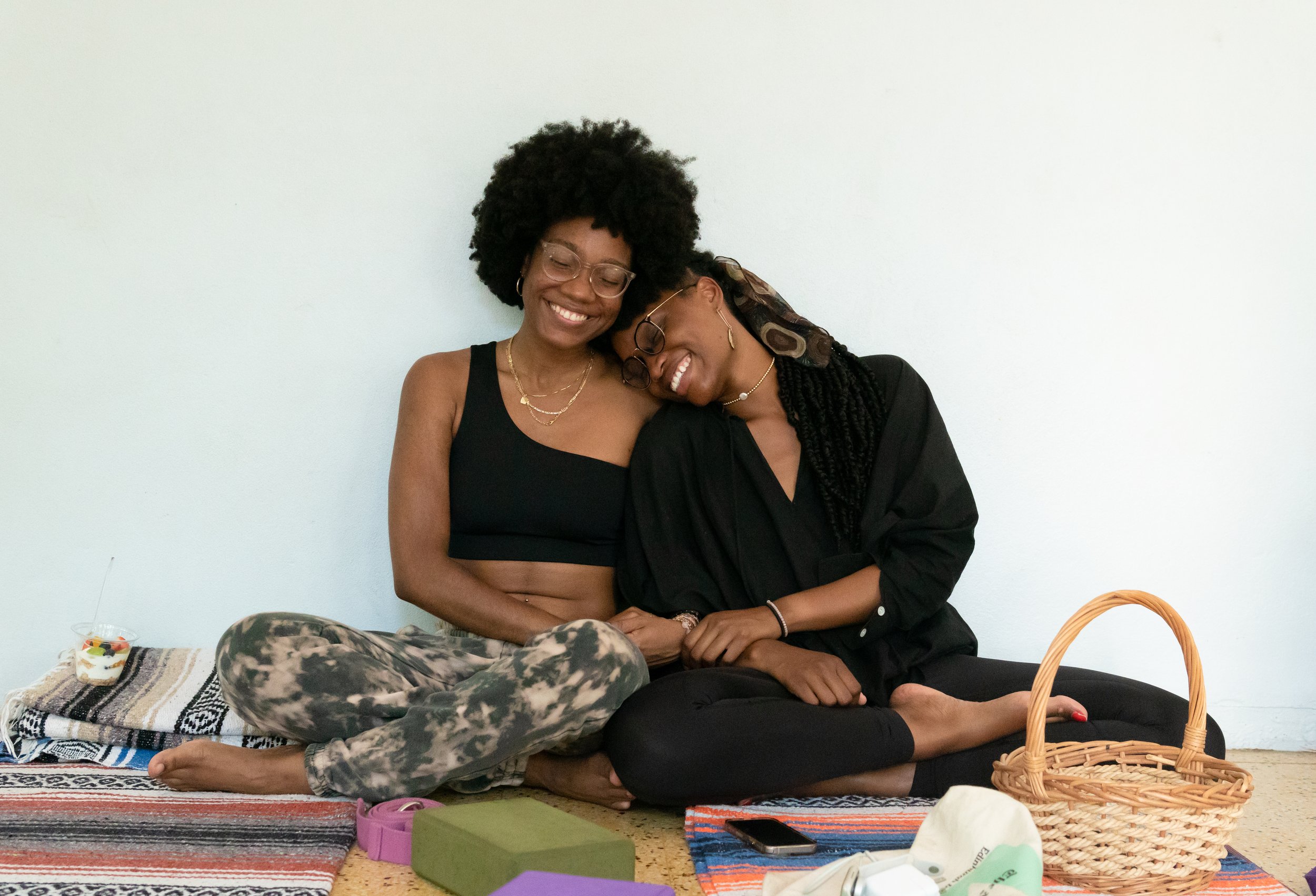
Free entry · Space is limited · The RWL Library, Kingston
An evening in the RWL Library among the books, the people, and the question this season is asking. Books on display and available to borrow. Fruits on the table. One provocation worth your time. Come for an hour. Leave with a book and a reason to return.
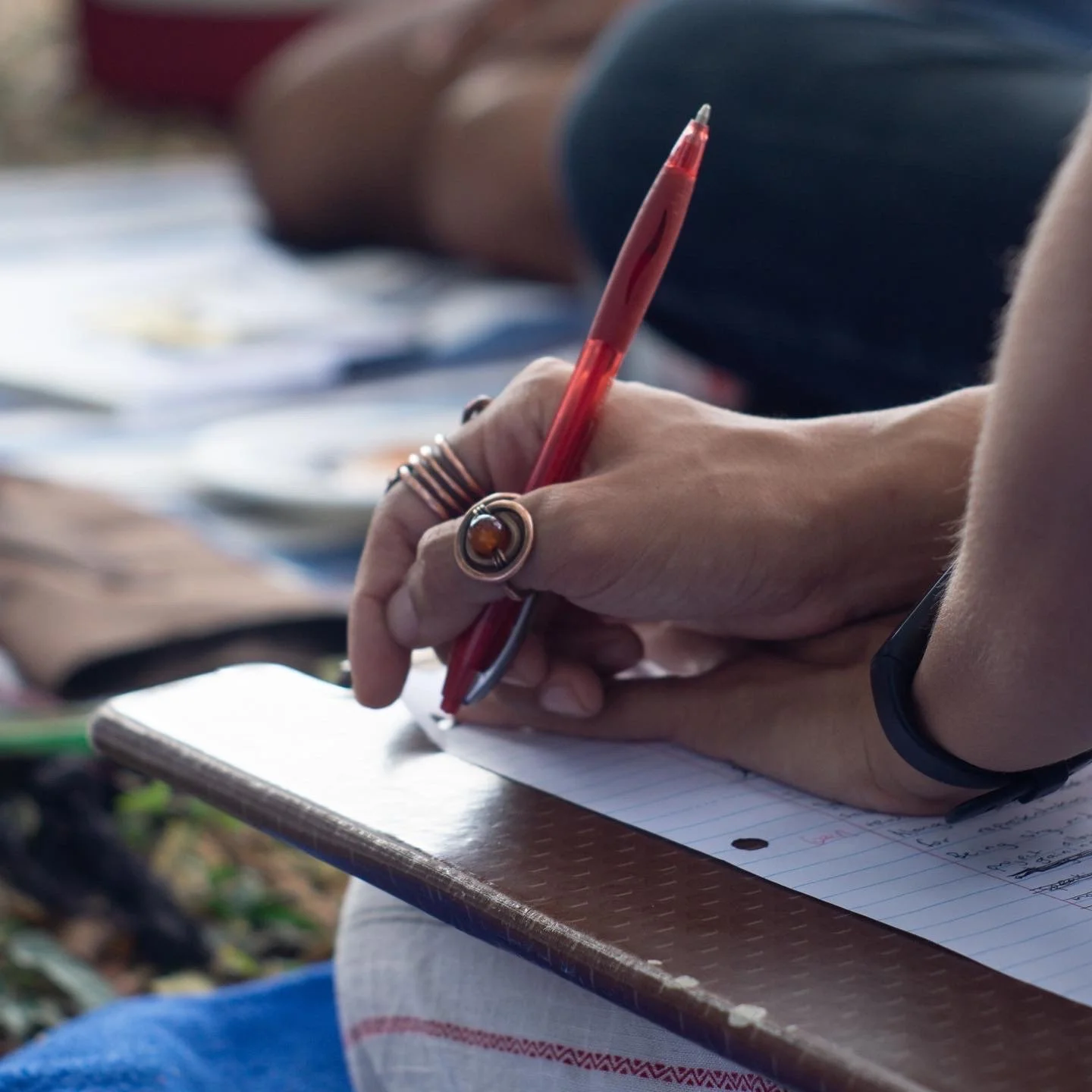
The seasonal salon is where the reading becomes conversation. Guided discussion, commissioned essays, and a community of readers who have been thinking about the same questions come together to discuss and strategise. This is not the end of the season, but preparation for the next.
Start Here
Illness is something the system produces and then abandons you inside of.
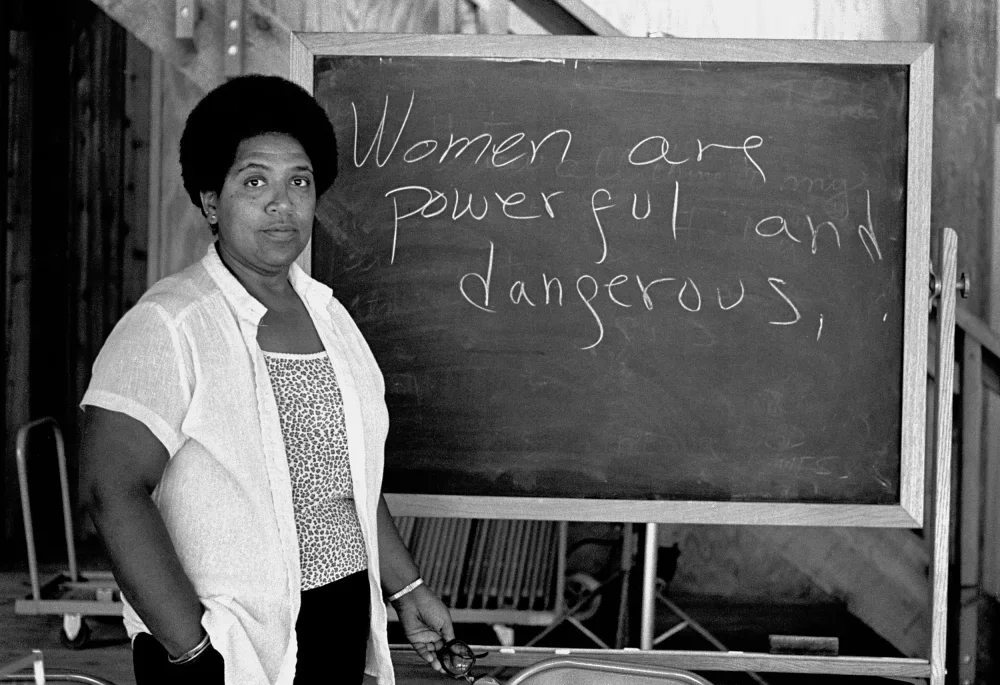
The Cancer Journals is a foundational text in breast cancer narratives, queer, and feminist literature, with a focus on bodily autonomy, the refusal of silence, and the critique of institutional care. This seminal text informs our modern reproductive justice frameworks, which advocate for the right to maintain personal bodily autonomy, have children, not have children, and parent the children we have in safe and sustainable communities.
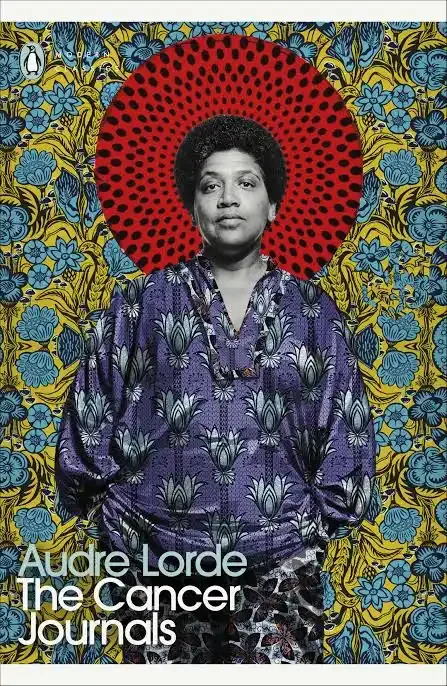
Begin here. Everything else in this season's recommended list radiates outward from it.
Films
Aftershock
Tobi Aremu · 2022 · Documentary
Never Rarely Sometimes Always
Eliza Hittman · 2020 · Drama
Vessel
Diana Whitten · 2014 · Documentary
Obvious Child
Gillian Robespierre · 2014 · Romantic(?) Comedy-Drama
Artistic Reflections
Joscelyn Gardner — Creole Portraits III: "bringing down the flowers…" (2009–11) Barbados · Hand-coloured lithographs · 13 prints
Tessa Mars — Tessalines series (2015–ongoing) Haiti · Painting · Multiple works
Katrina Coombs — Chaos and Healing: The Thread That Binds (series) Jamaica · Fibre sculpture
Podcasts
This Podcast Will Kill You · Dr Deirdre Cooper Owens on Medical Bondage (2024)
New Books Network · Diana Greene Foster on The Turnaway Study (2020)
The Nod · "Fearing the Black Body" with Sabrina Strings (2019)
Theory
Medical Bondage: Race, Gender, and the Origins of American Gynecology —
Deirdre Cooper Owens
Killing the Black Bodyace, Reproduction, and the Meaning of Liberty —
Dorothy Roberts (Pantheon Books, 1997)
Birth Control in the Decolonizing Caribbean: Reproductive Politics and Practice on Four Islands, 1930–1970 —
Nicole C. Bourbonnais (Cambridge UP, 2016)
The Turnaway Study: Ten Years, a Thousand Women, and the Consequences of Having - or Being Denied - an Abortion —
Diana Greene Foster (Scribner, 2020)
Centering Woman: Gender Discourses in Caribbean Slave Society
Hilary McD Beckles
Reproductive Health Matters Vol 17 No. 34 Criminalisation issue
Use the Rebel Women Lit Library
to move from theory to testimony to poetry to policy in a single season.
Recommended Books To Borrow For When The Earth Cracks
Poetry & Fiction
Warsan Shire · Teaching My Mother How to Give Birth Thirty pages. The maternal body, migration, and the grief women inherit from each other across generations. One of the most concentrated collections in the library — bring it to the salon and read it aloud.
Roxane Gay · Hunger A memoir of the body as a place you learn to defend. Gay writes about weight, appetite, and the aftermath of sexual violence with a precision that refuses both self-pity and resolution. The body here is not a problem to be solved; it is a record.
Akwaeke Emezi · Freshwater A novel told from inside a self that has been shattered by trauma, by spiritual multiplicity, by the violence of being forced into a single legible identity. Emezi writes the body as contested territory between the person inhabiting it and every force that wants to define it from outside.
Staceyann Chin · Crossfire: A Litany for Survival A queer Jamaican poet writing about her body as a place where violence and desire and refusal have all lived. The title's echo of Lorde's "A Litany for Survival" is not accidental. Chin is writing in direct conversation with this season's anchor text.
Yrsa Daley-Ward · Bone Short, fragmented, relentless. A poetry collection about what the body remembers long after the mind has tried to move on. Read slowly. Read more than once.
Safiya Sinclair · Cannibal A Jamaican woman's poetry collection about growing up as a woman in Rastafari. She recalls the body being watched, regulated, and made to mean things it did not choose. Sinclair reclaims appetite as a political act. Essential Caribbean reading for this season.
Memoir, Theory & Essays
Tressie McMillan Cottom · Thick Read the essay "Dying to Be Competent." In it, McMillan Cottom describes going to hospital while miscarrying and being sent home. It is one of the most precise accounts in contemporary literature of what bodily autonomy actually costs Black women when they enter institutional care. The rest of the collection earns the same attention.
Audre Lorde · The Collected Poems and Sister Outsider Both texts are waiting for you in the library. The season centres on The Cancer Journals, but the full Collected Poems opens onto "Power," "Coal," and "A Litany for Survival" — each one a different angle on the same argument. Sister Outsider includes essays such as "Uses of the Erotic" and "The Master's Tools."
Akwaeke Emezi · Dear Senthuran: A Black Spirit Memoir A series of letters to God from a trans Nigerian writer whose body was not recognised by medicine, their family, nor by the systems that claimed to care for it. Theology and bodily sovereignty are written as an act of survival.
Assata Shakur · Assata: An Autobiography Shakur's account of being shot by police, imprisoned, surviving, and escaping is one of the most politically charged bodily narratives in the RWL library. The Black radical body as a target of the State and as something the State ultimately failed to destroy.
bell hooks · Bone Black: Memories of Girlhood Less read than her theory, more devastating. hooks writes her Kentucky girlhood — the body's first encounters with gender, violence, and longing — with a plainness that her academic work rarely allows. Start here if you want to understand where her thinking came from.
Cherríe Moraga & Gloria Anzaldúa (eds.) · This Bridge Called My Back The foundational text of women of colour feminism. Its argument is that the body — specifically, the brown and Black and poor and queer body — is not just the subject of theory but its source. Everything this season builds on starts somewhere in these pages.
Annie Finch (ed.) · Choice Words: Writers on Abortion An anthology of writers on abortion; not arguments, but experiences. What it costs, what it means, what languages are available, and what falls short. The creative counterpart to the research we're also asking you to read.
Iqbal Shah & Ina Warriner (eds.) · Preventing Unsafe Abortion and Its Consequences The data behind the season's argument. For members who want to move between narrative and research, who need the numbers alongside the stories. Both matter. Both belong on this shelf.