
RWL February 2023 - Gathering at Poet's Corner Hope Gardens
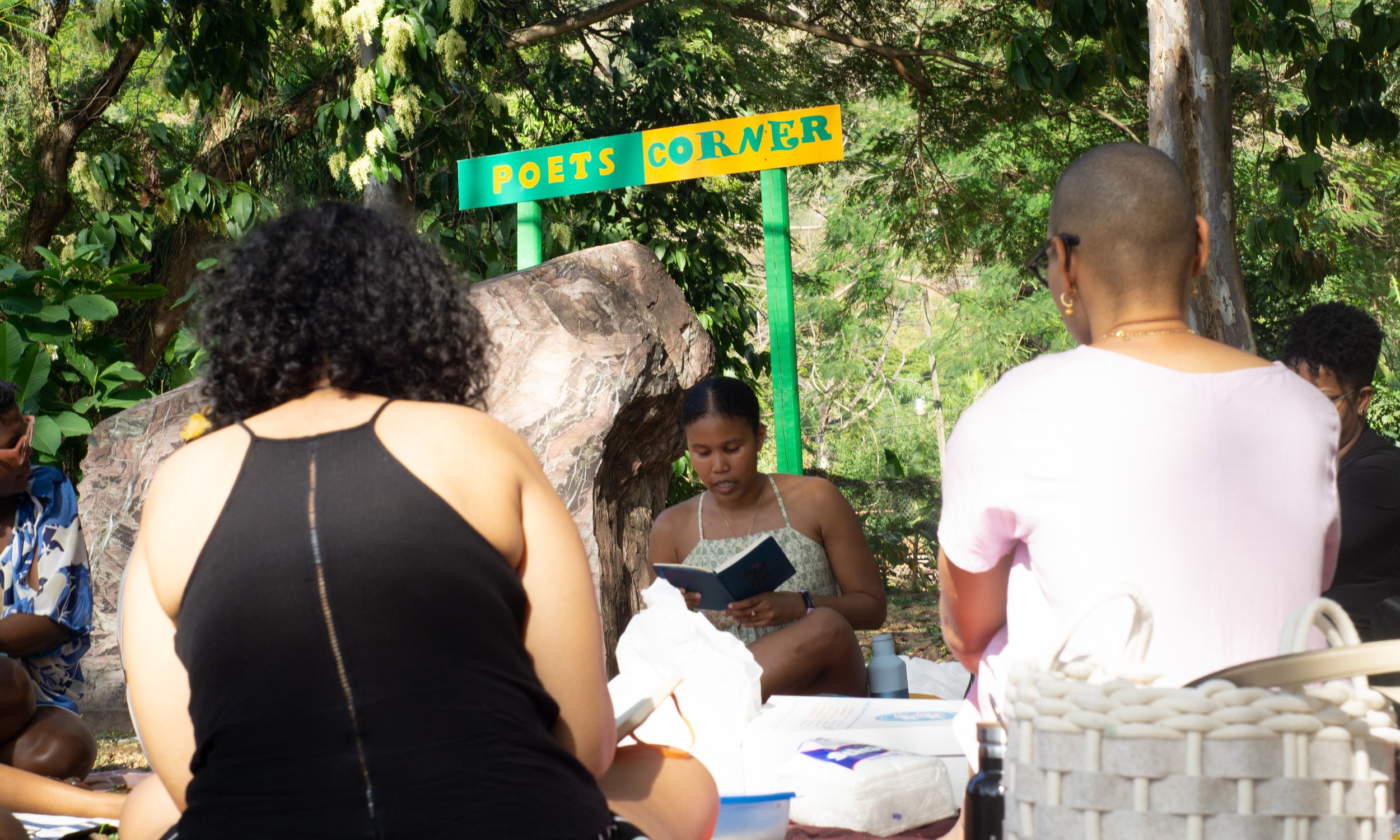
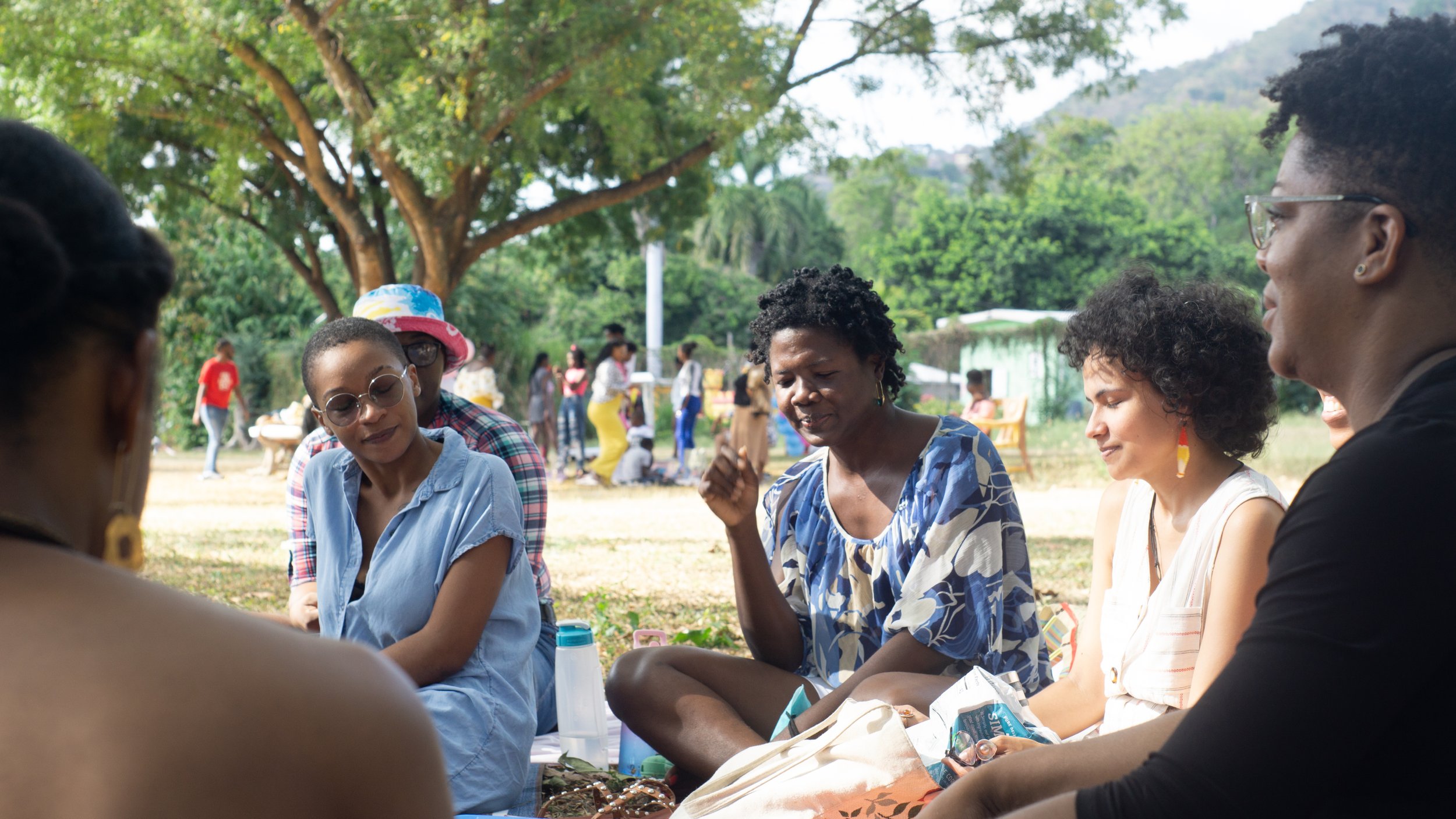
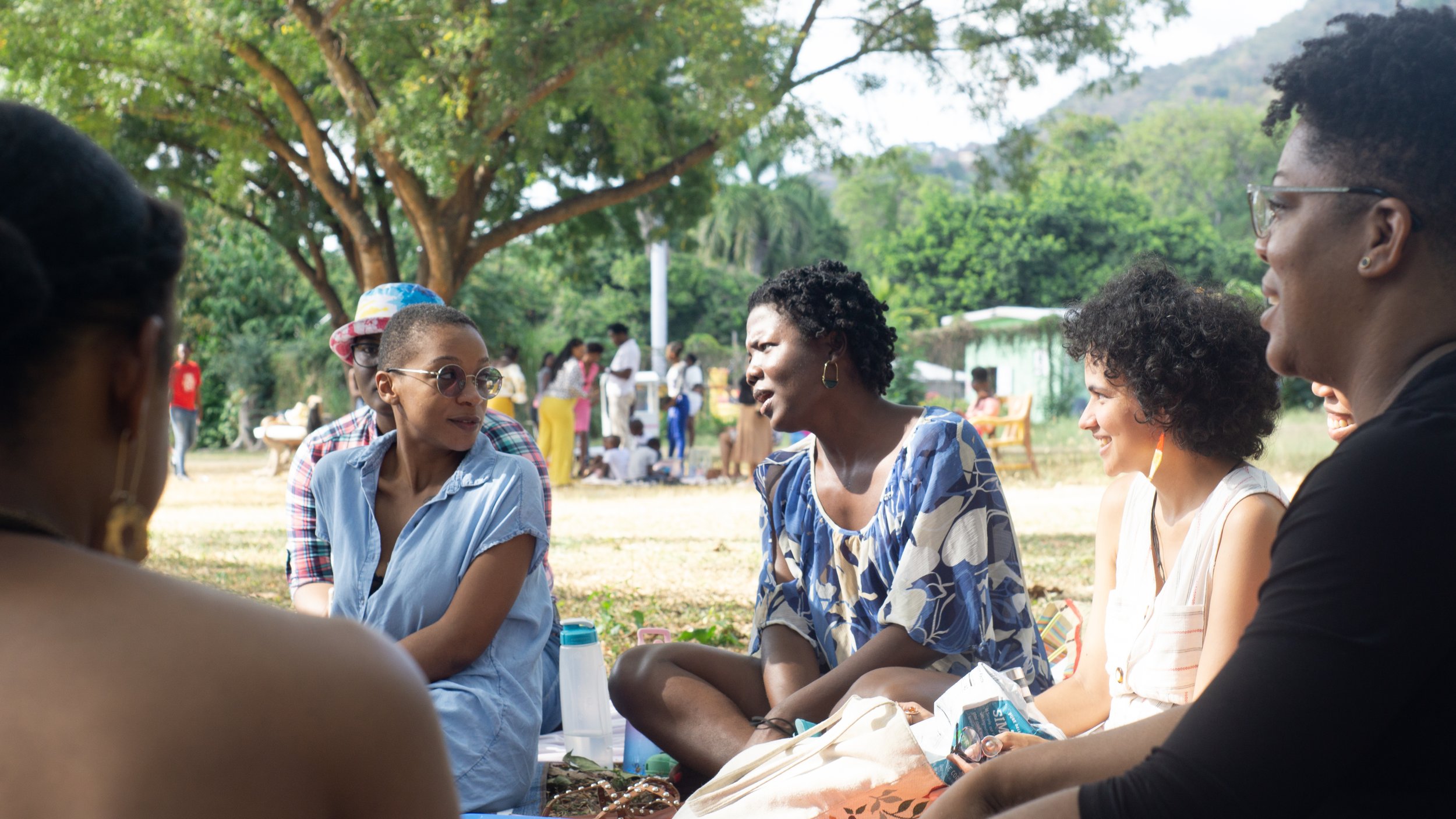
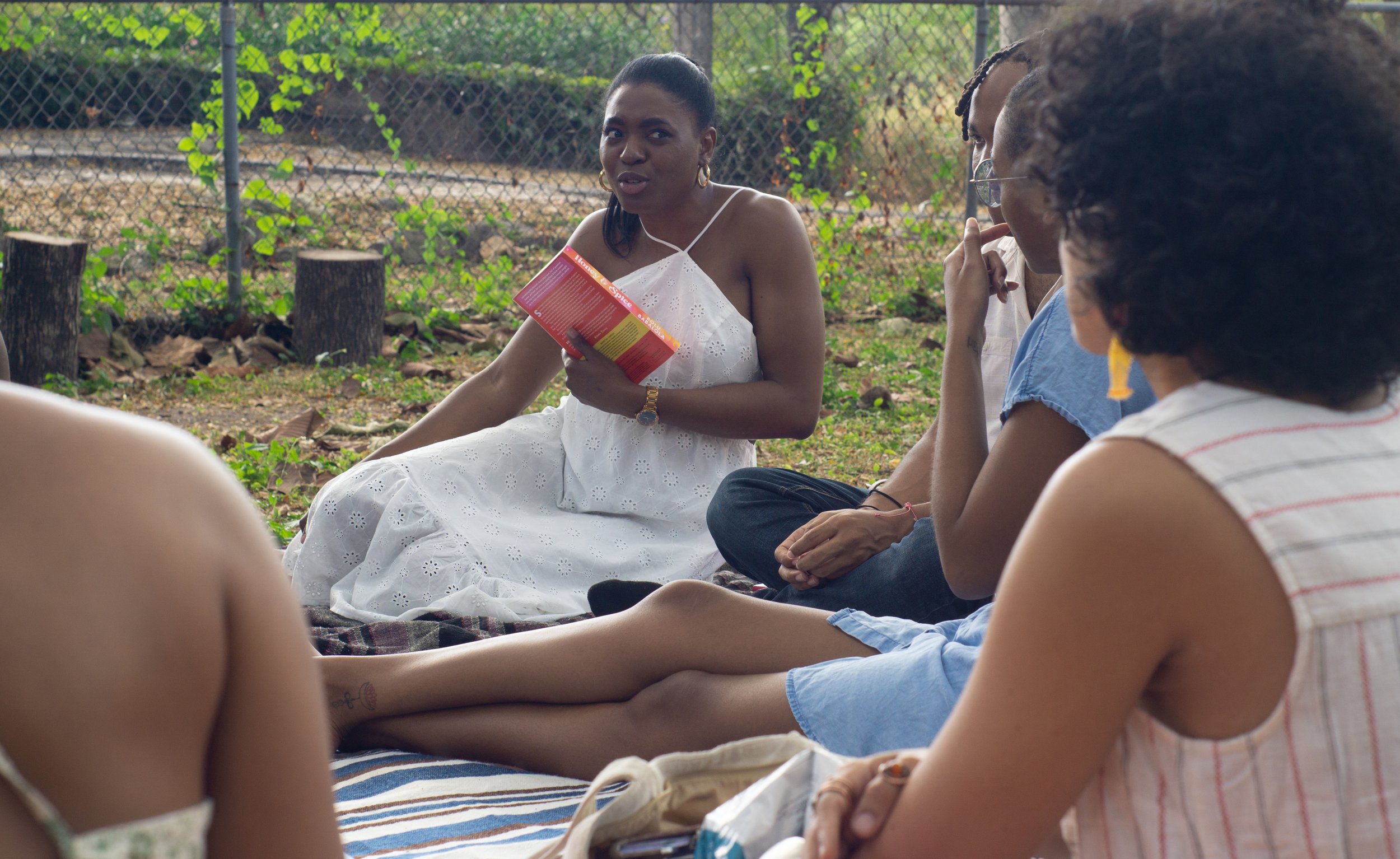
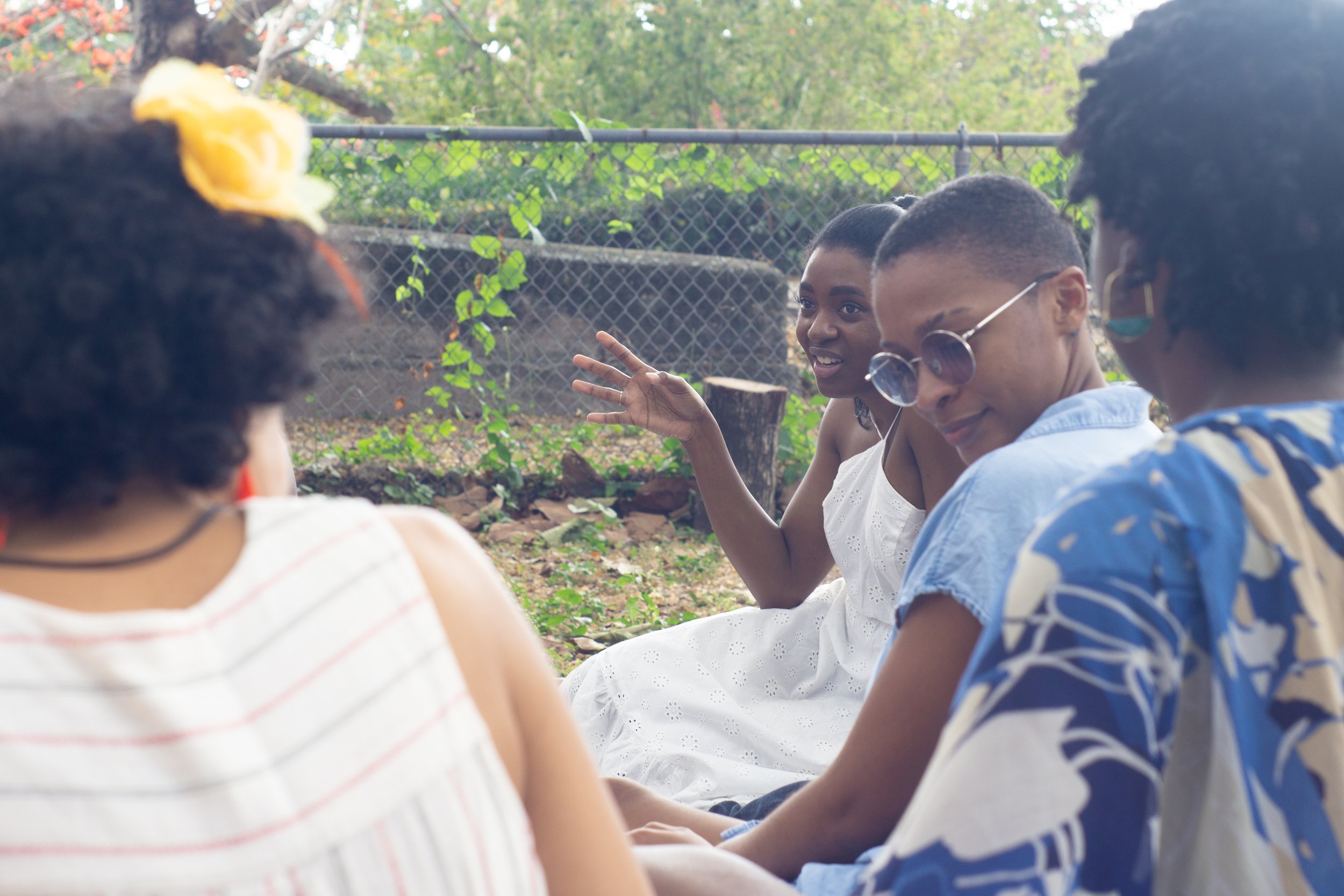
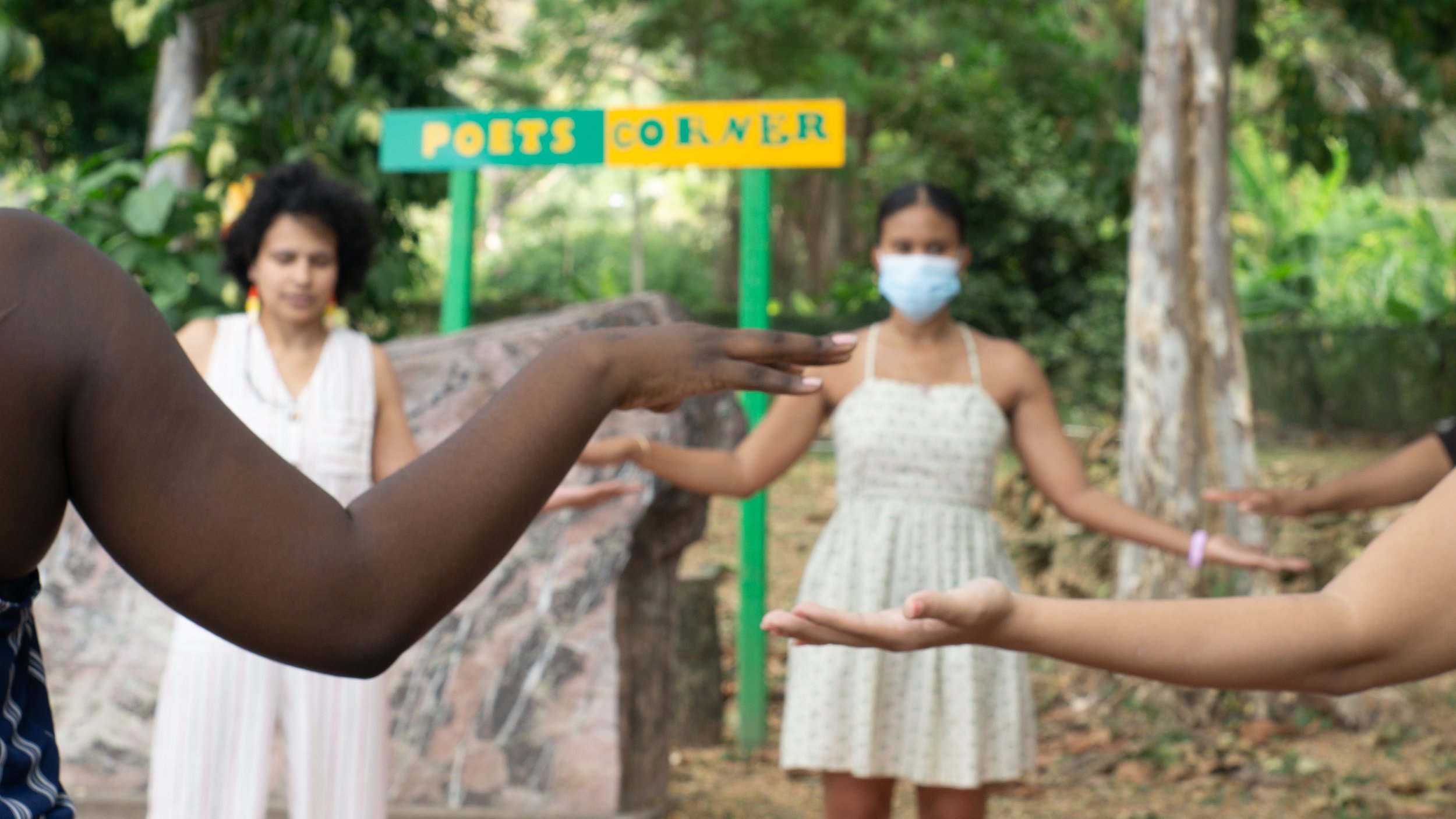
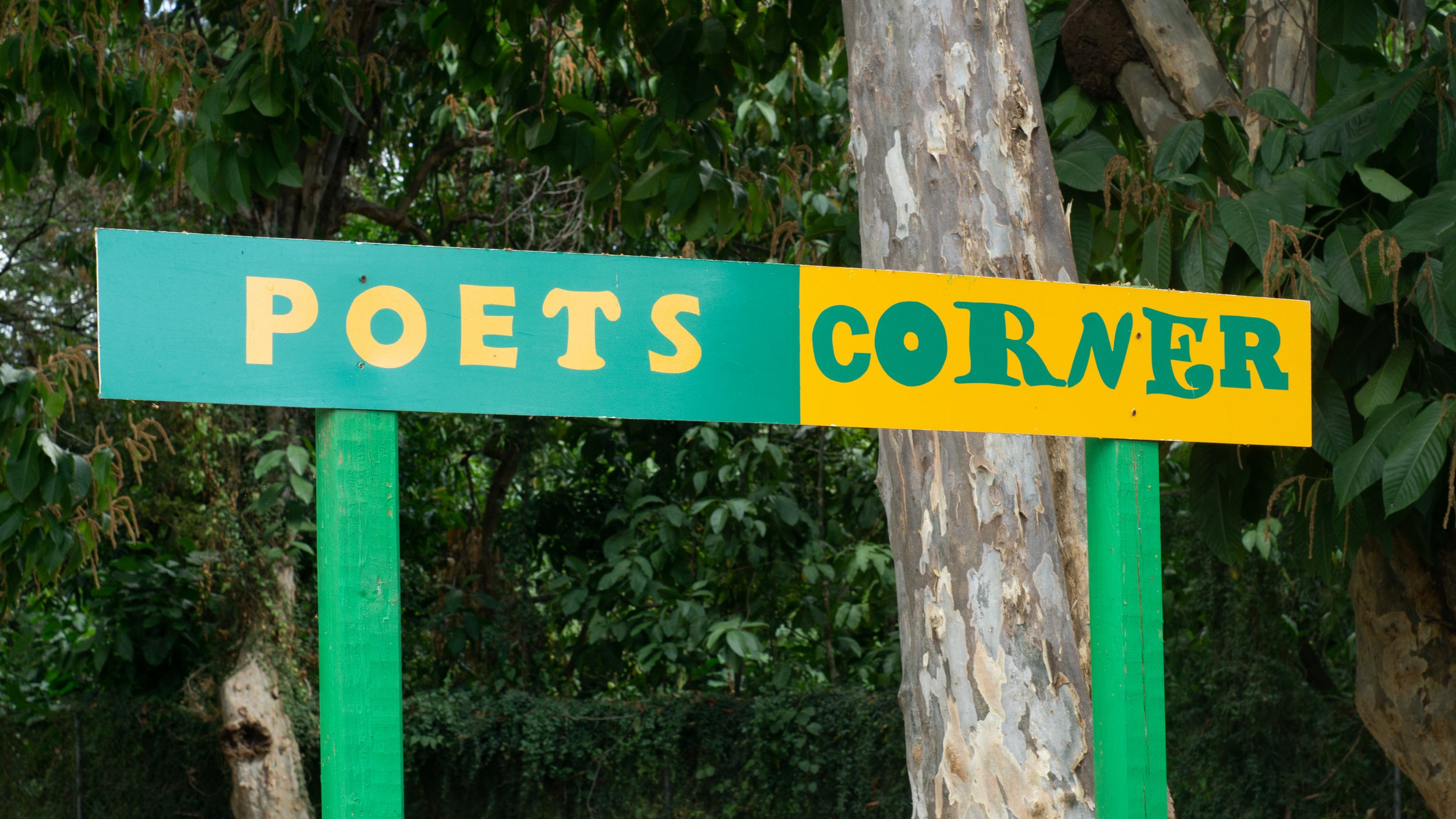
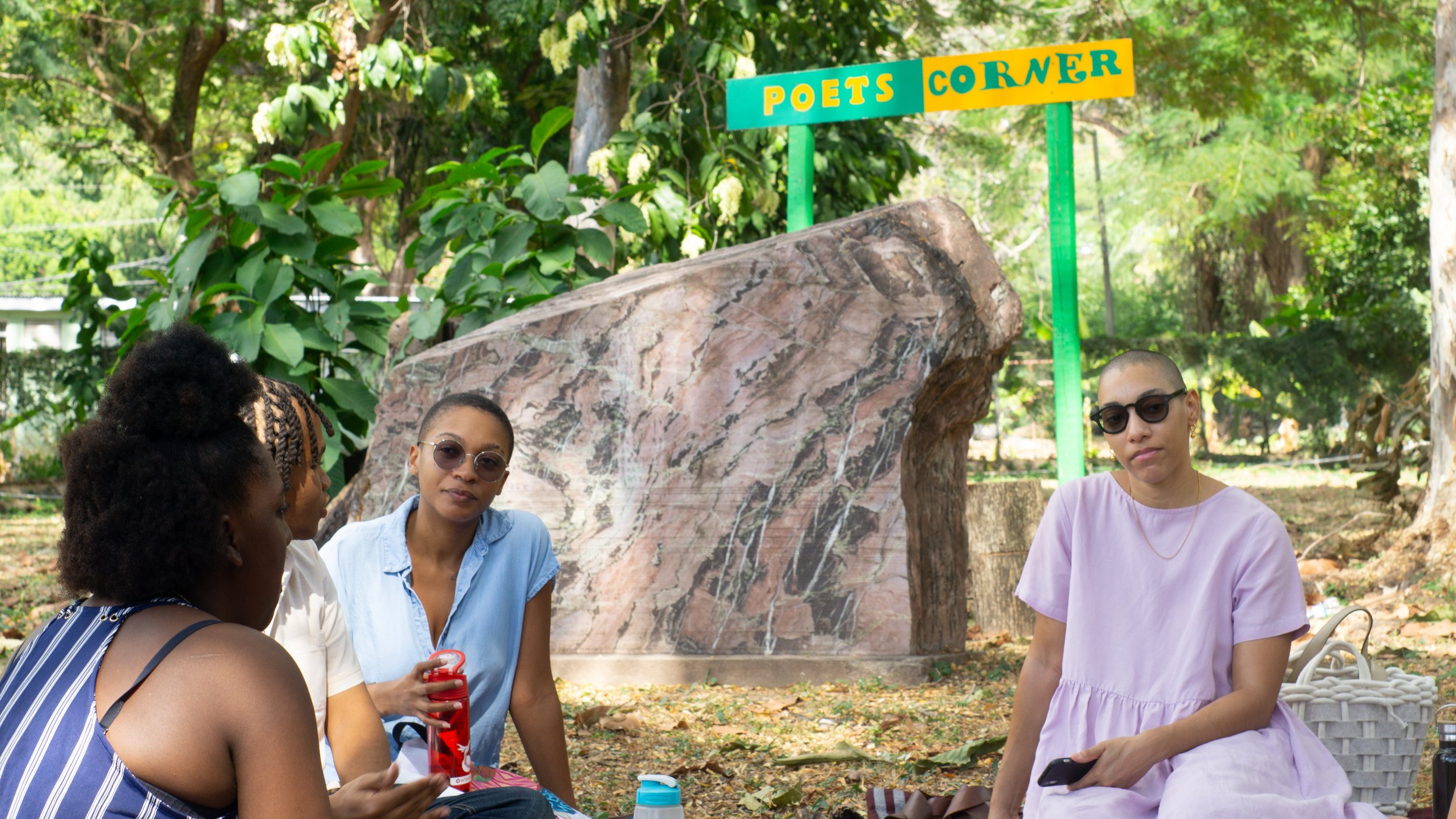
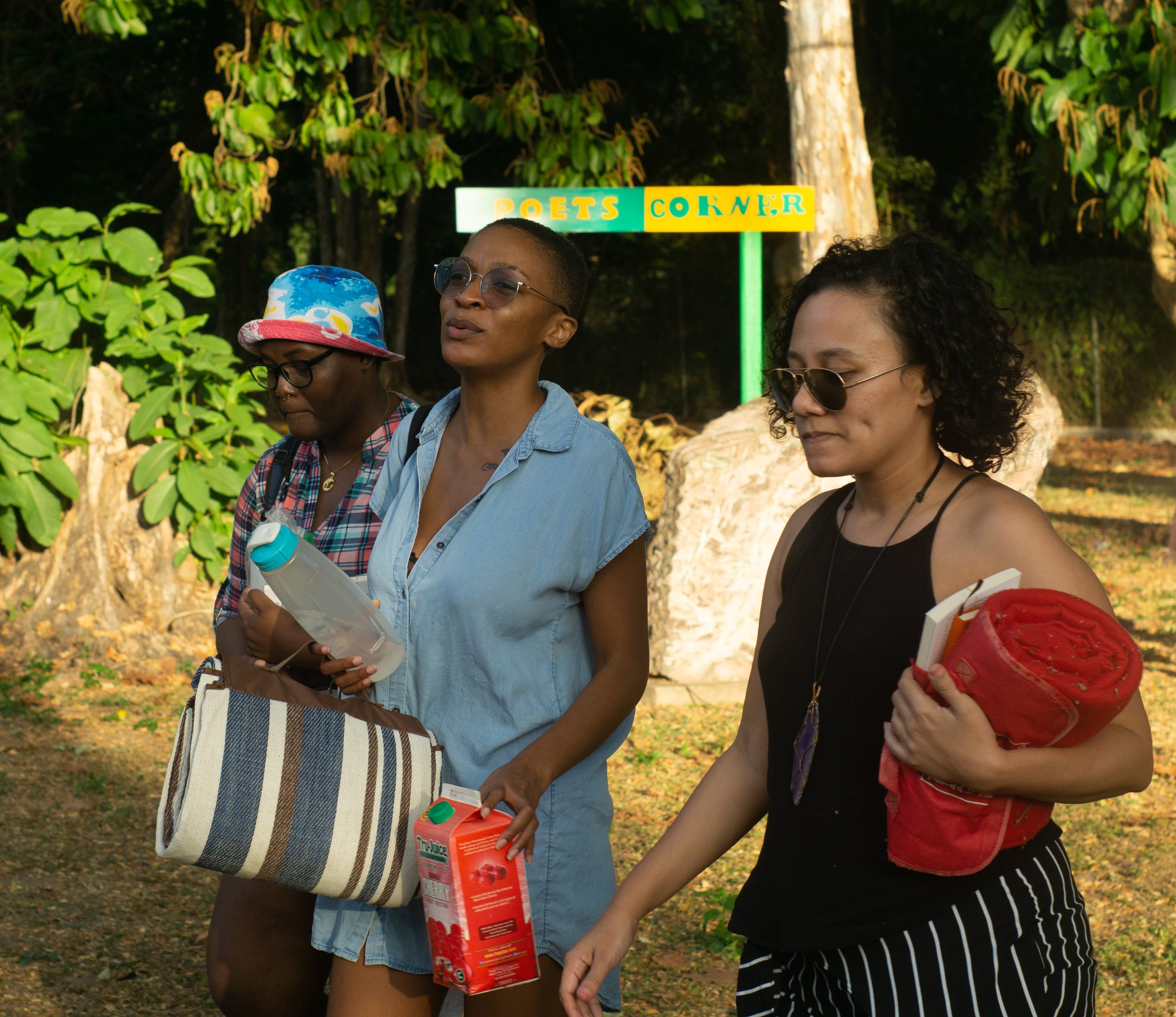
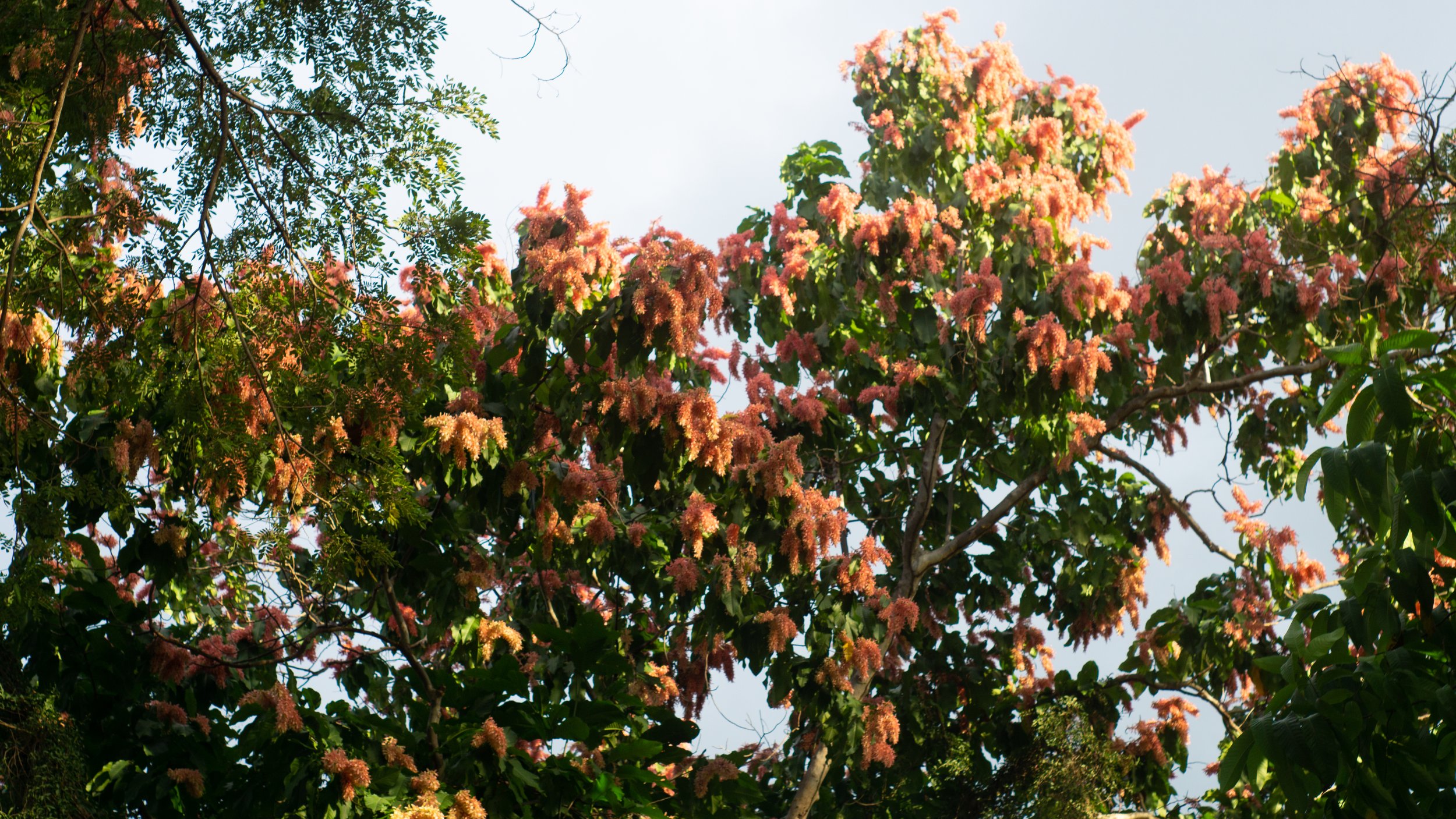
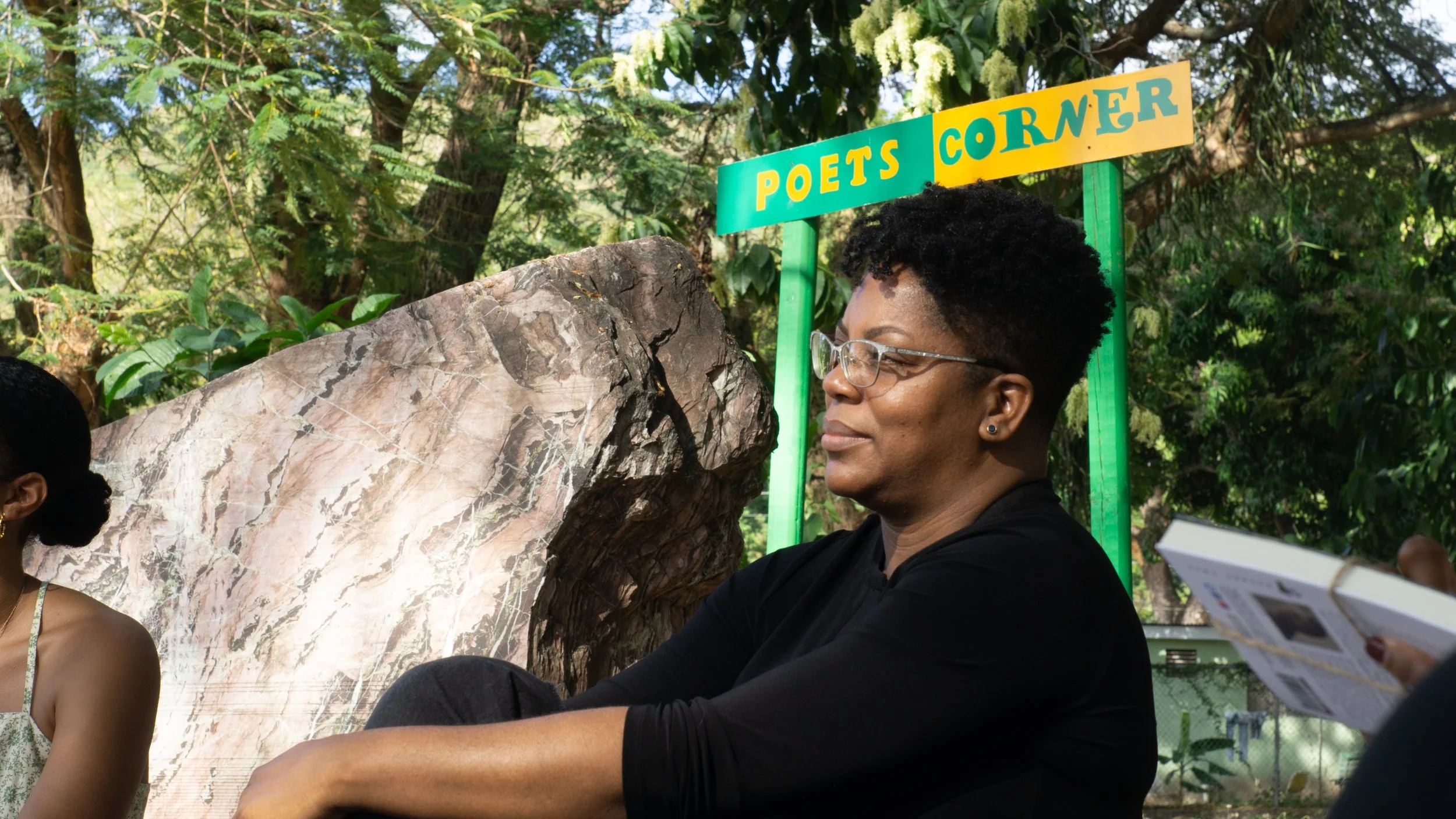
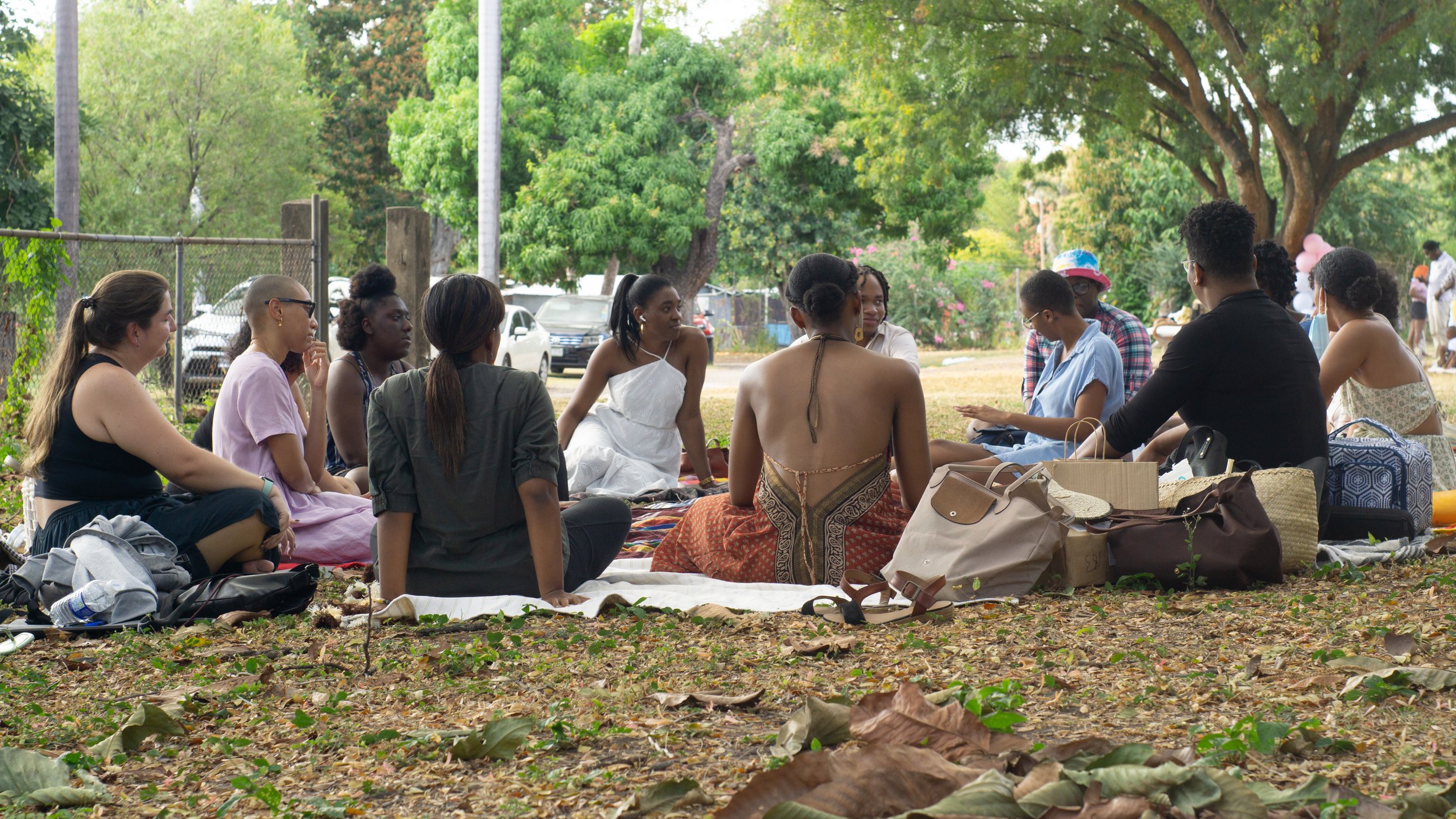
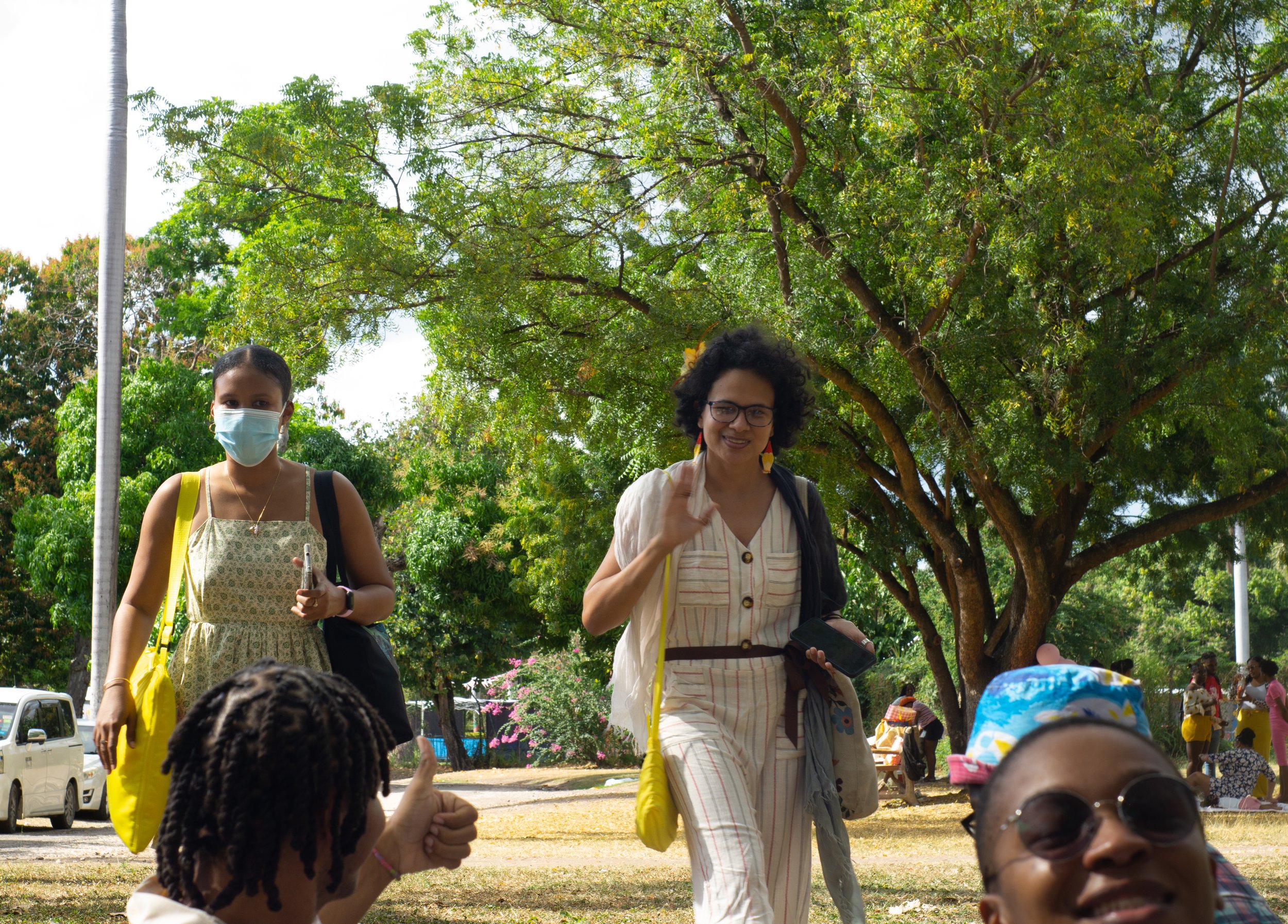
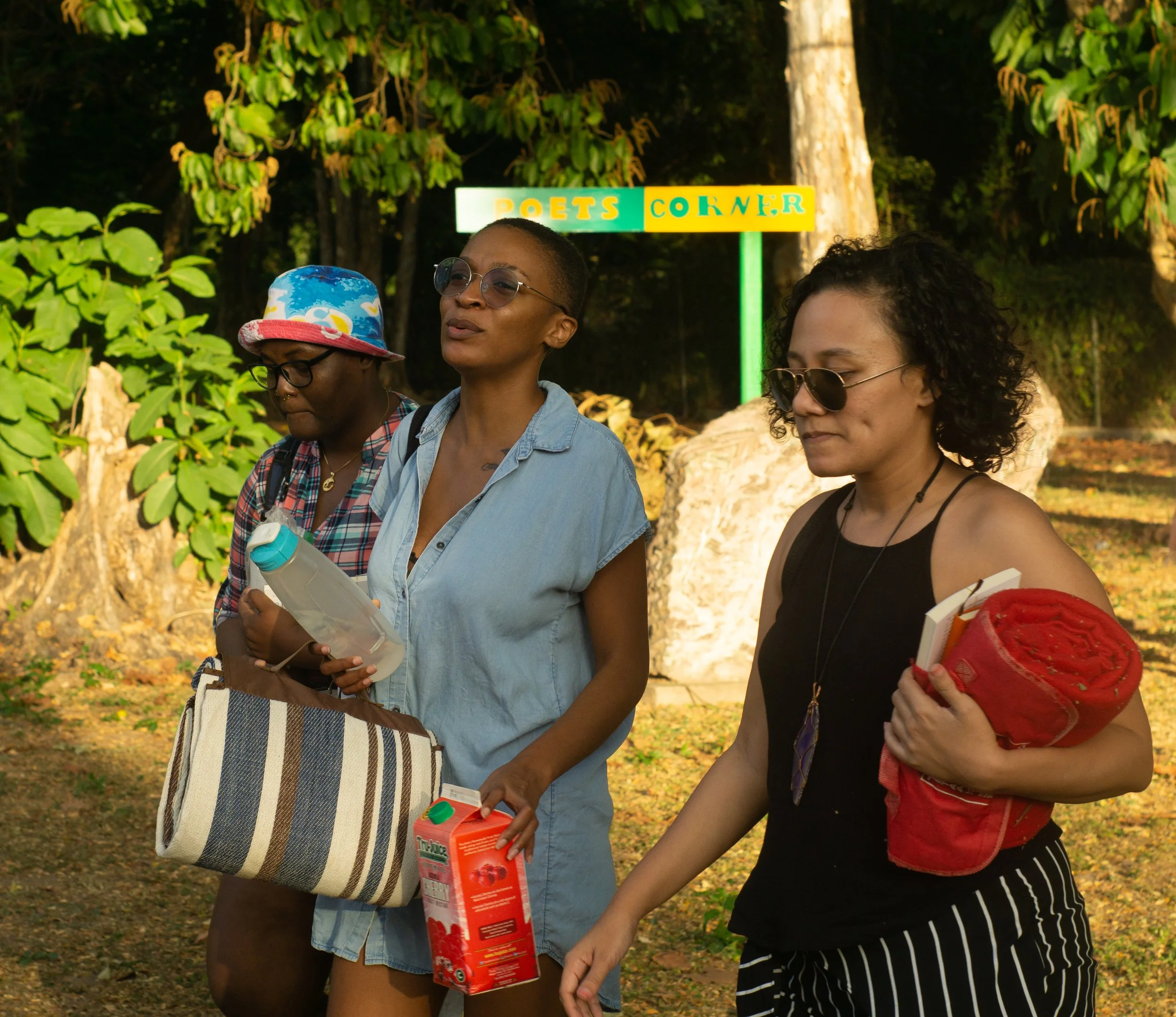
We did it! We found Poet’s Corner at Hope Gardens and we think this may be our little spot from now on.
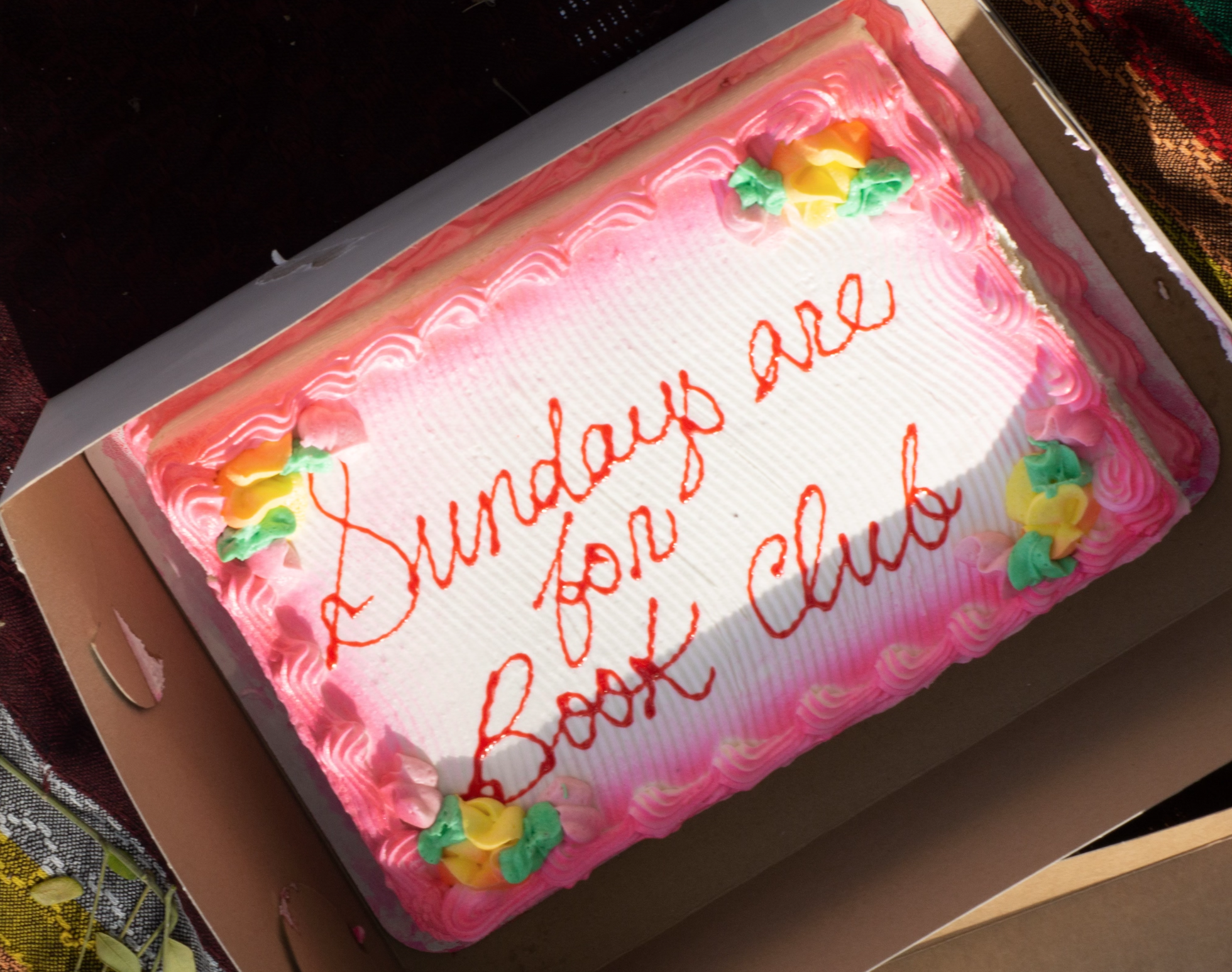
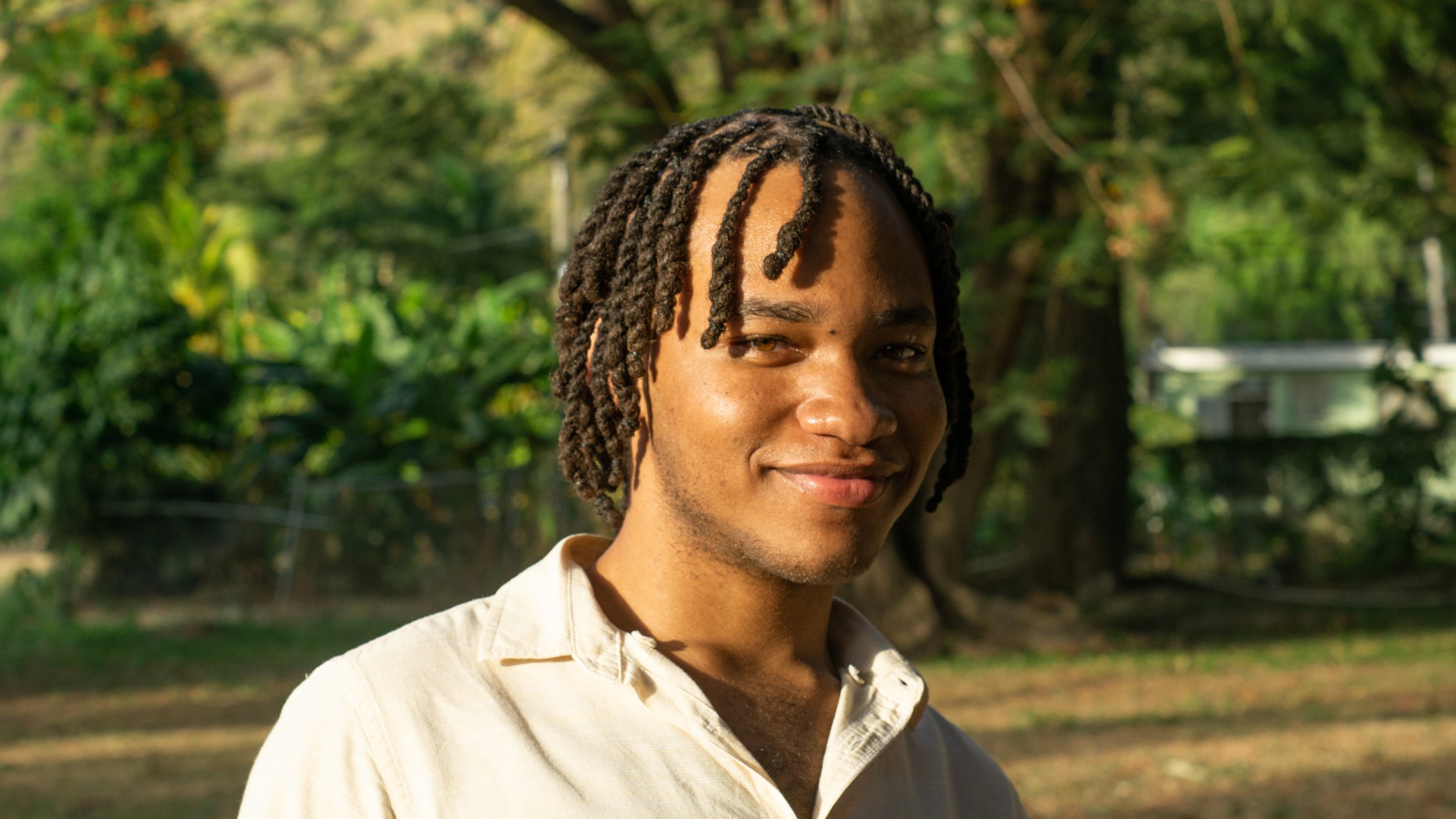
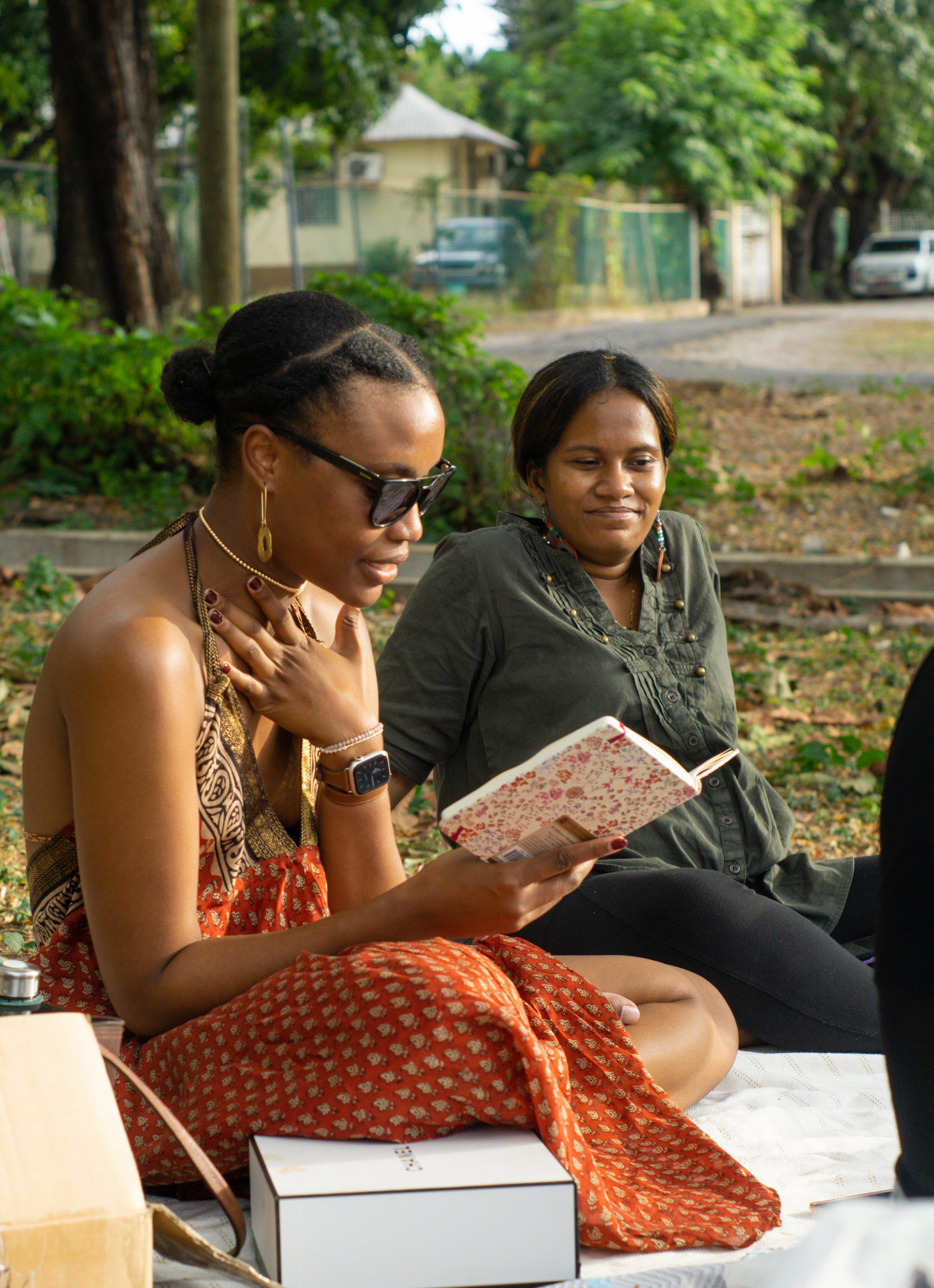
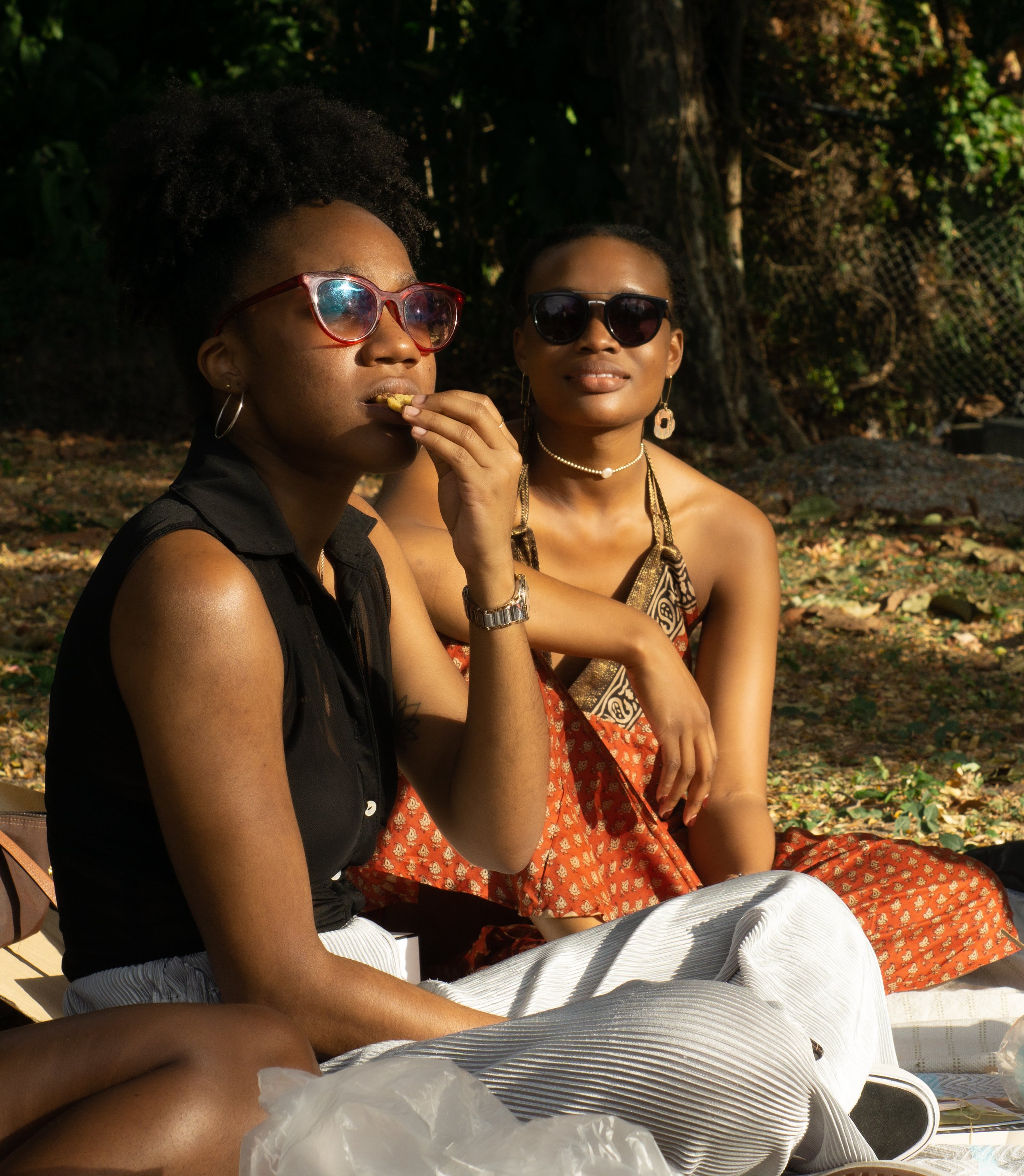
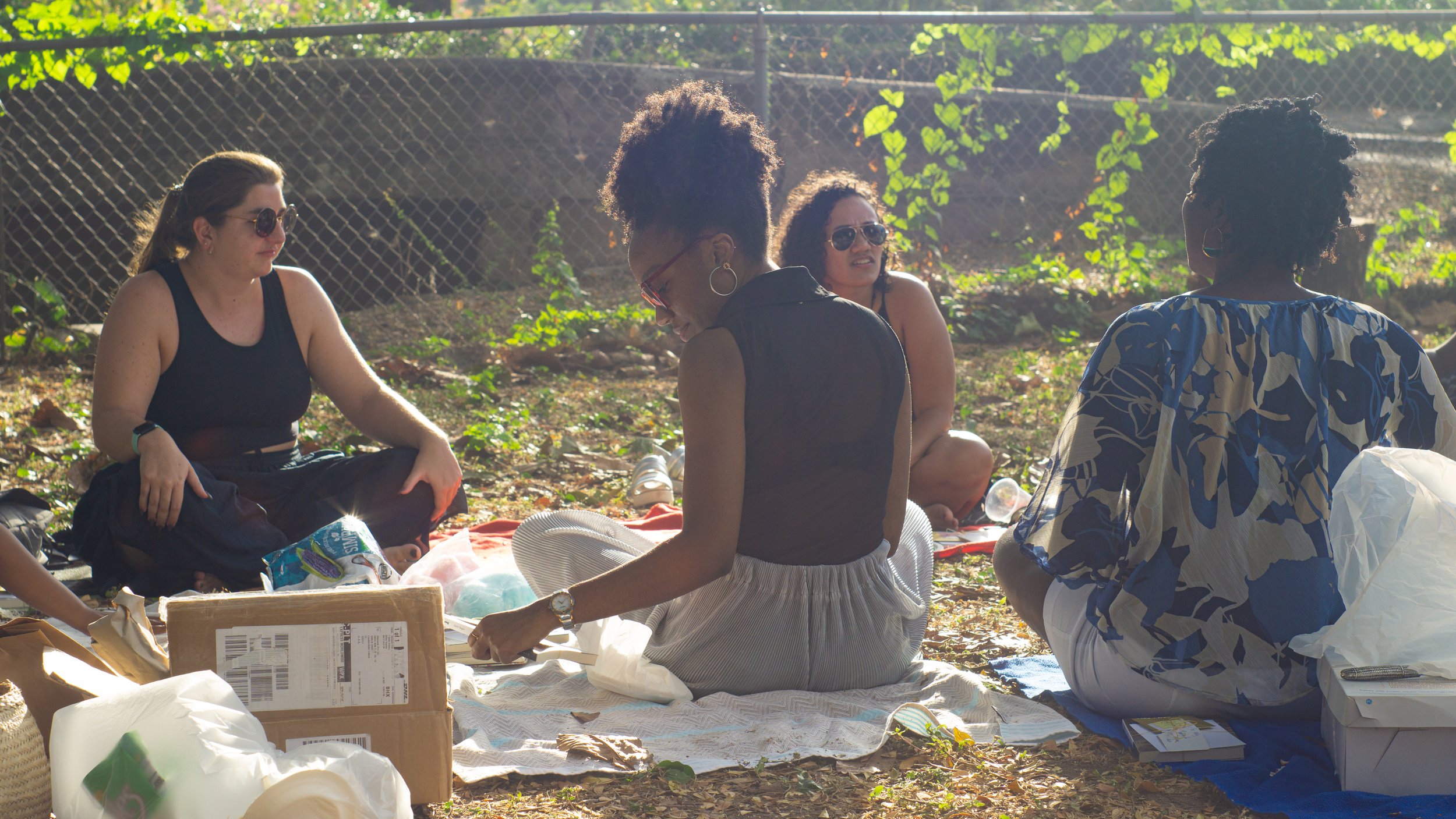
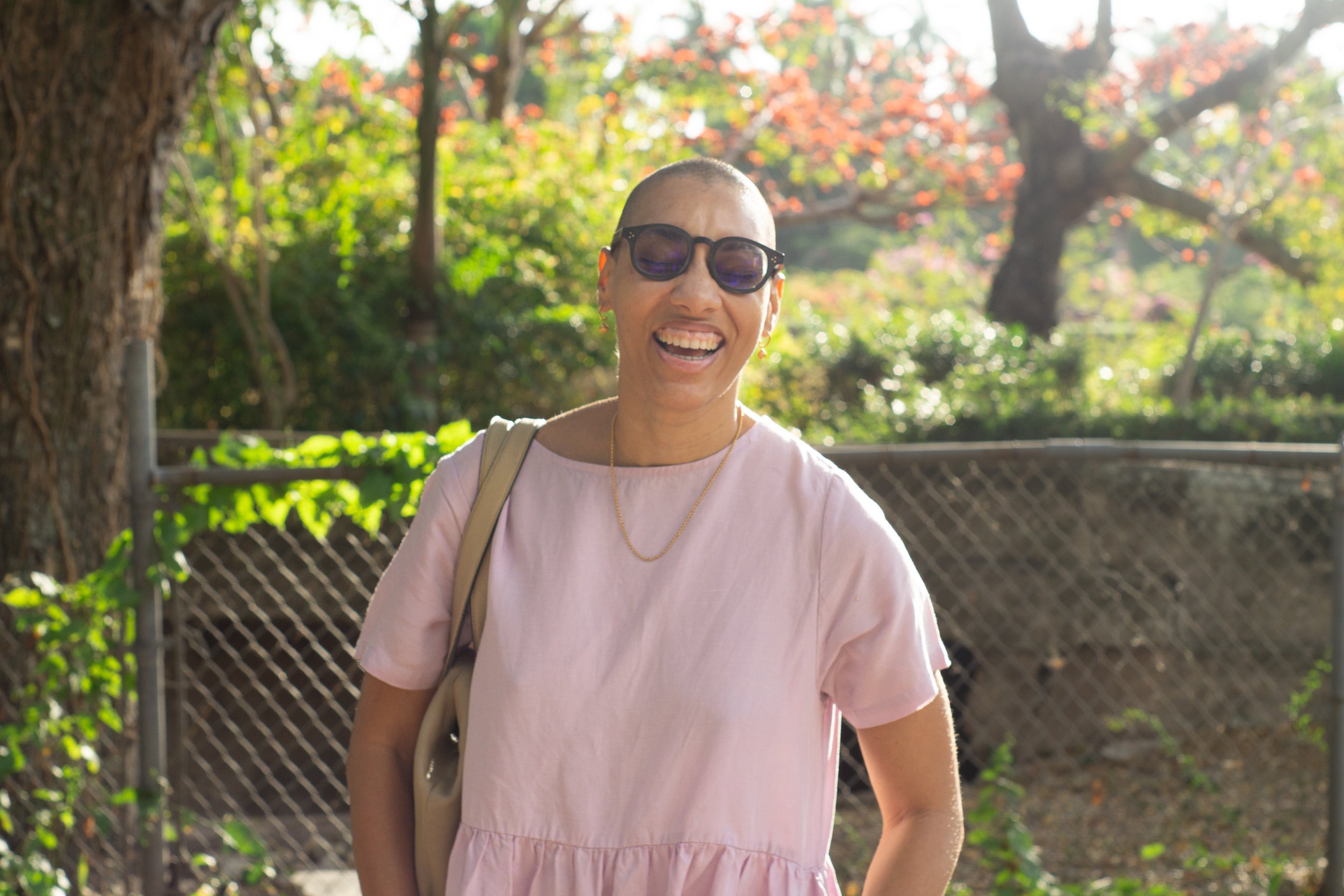
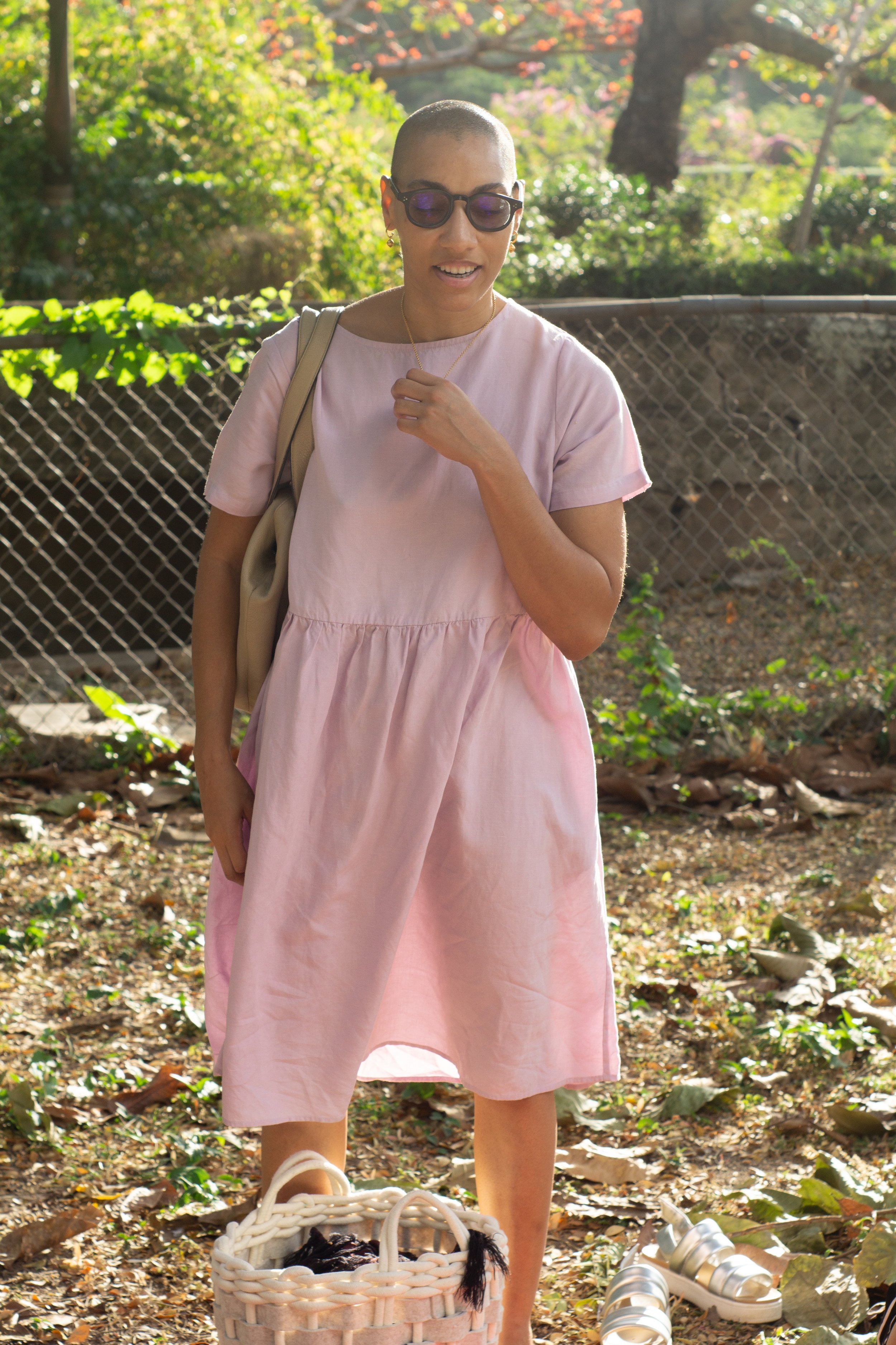
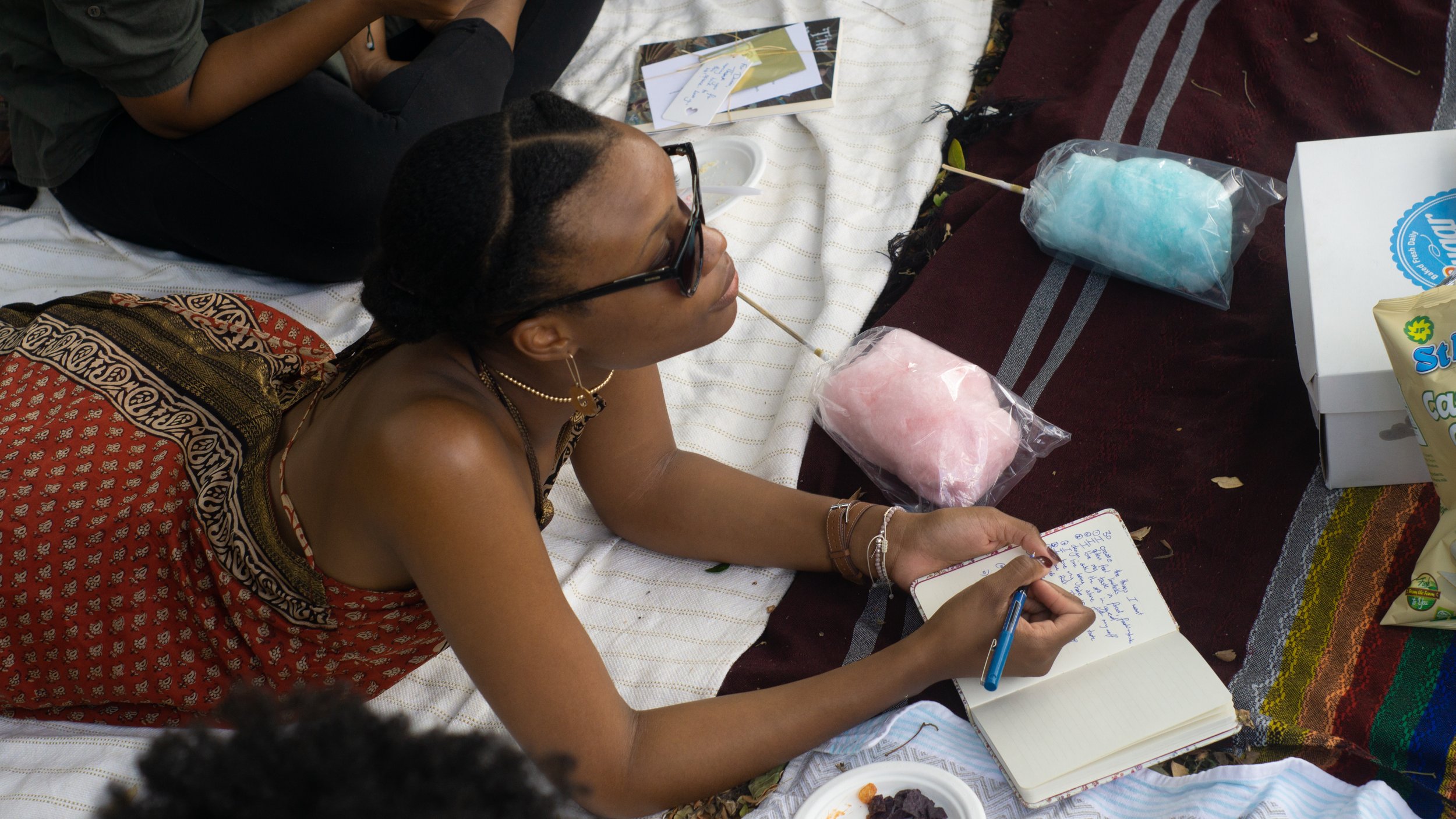
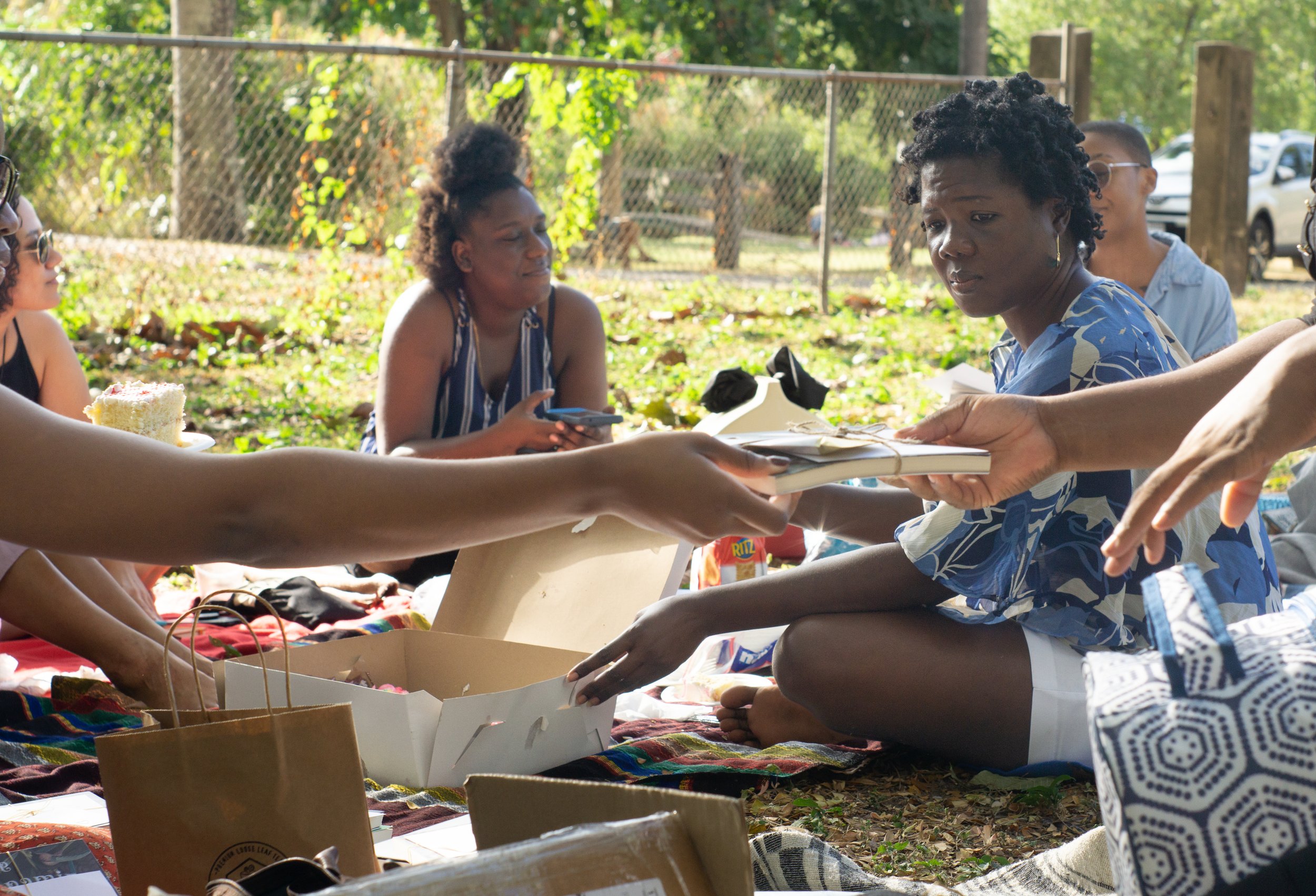
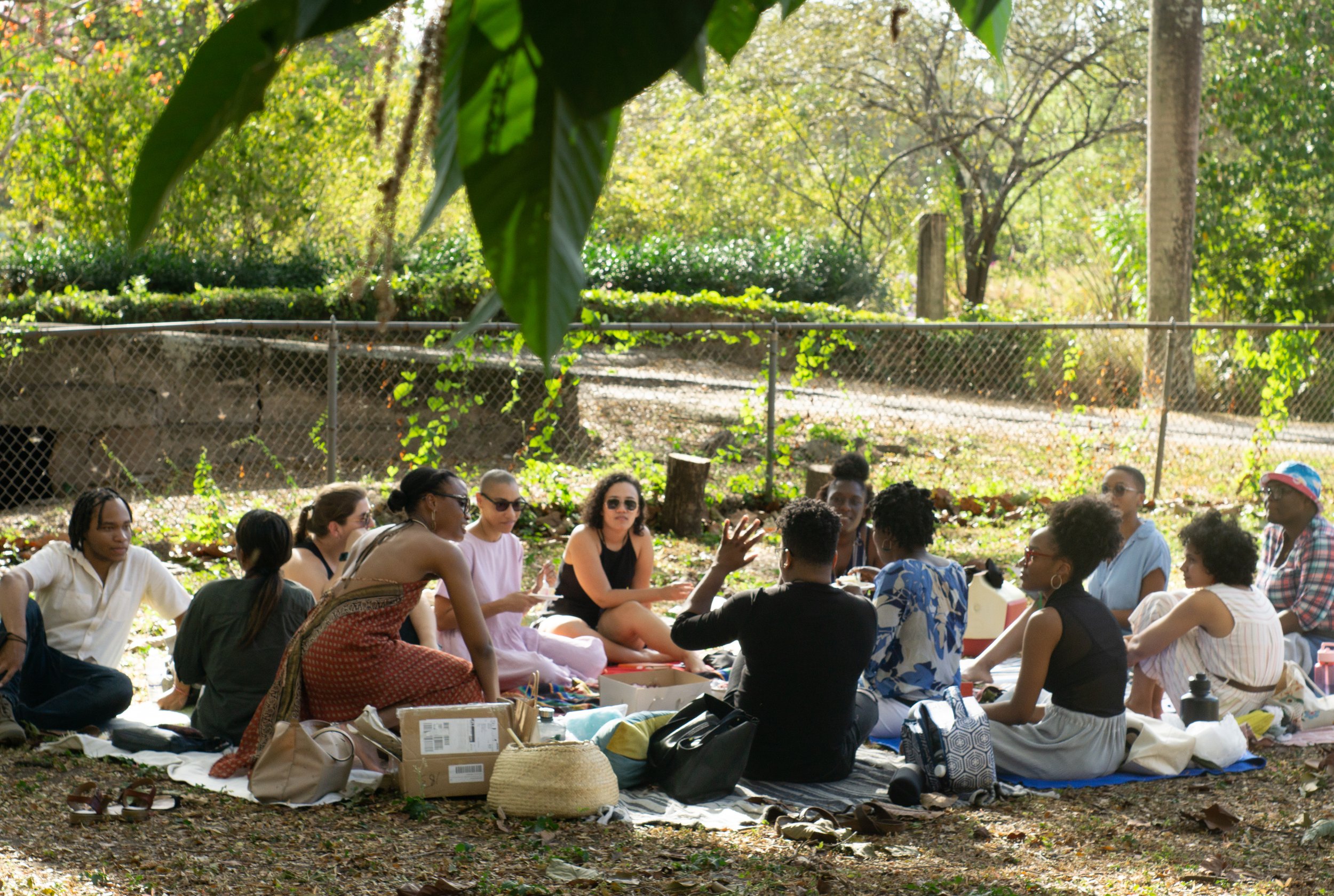
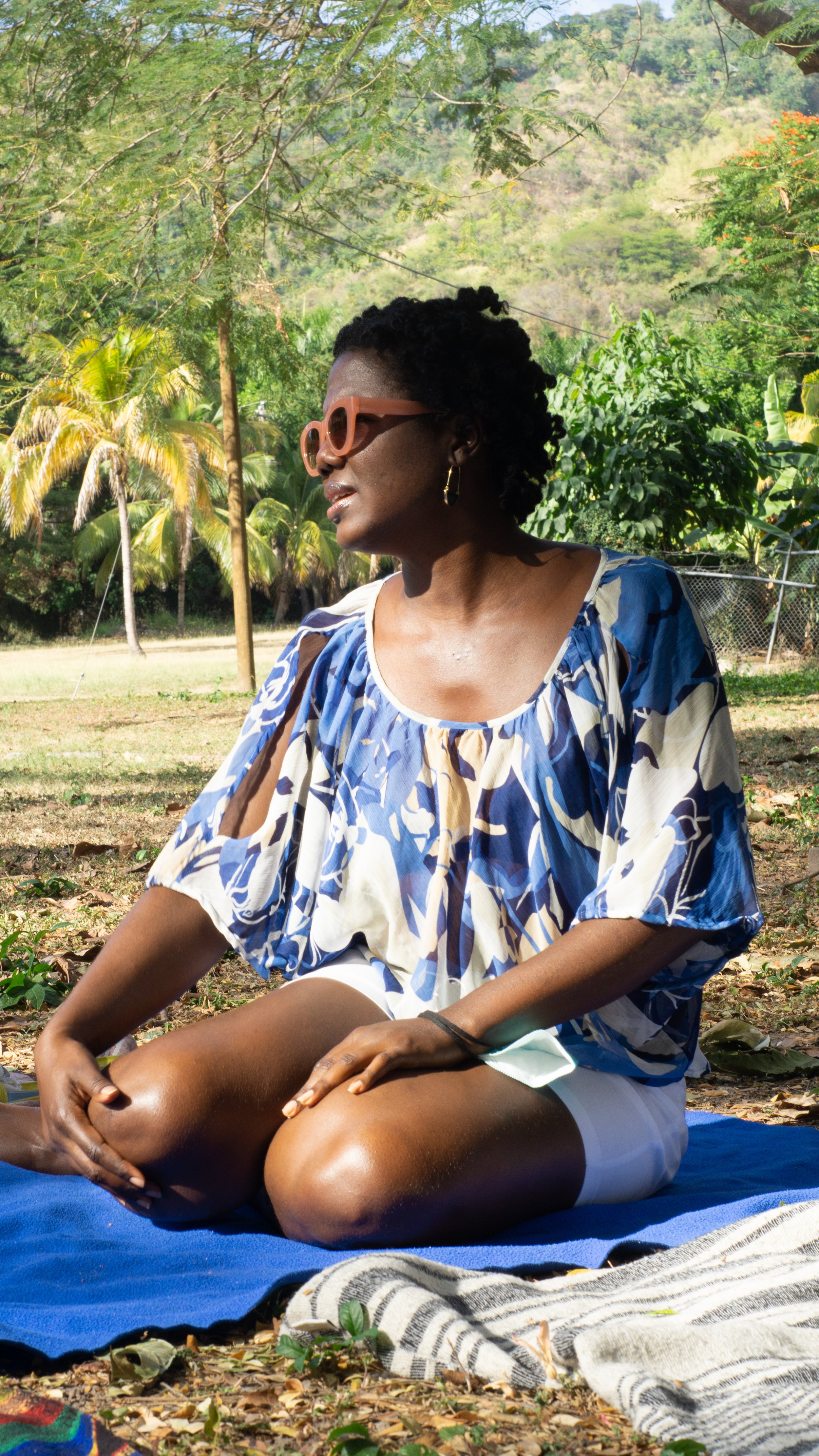
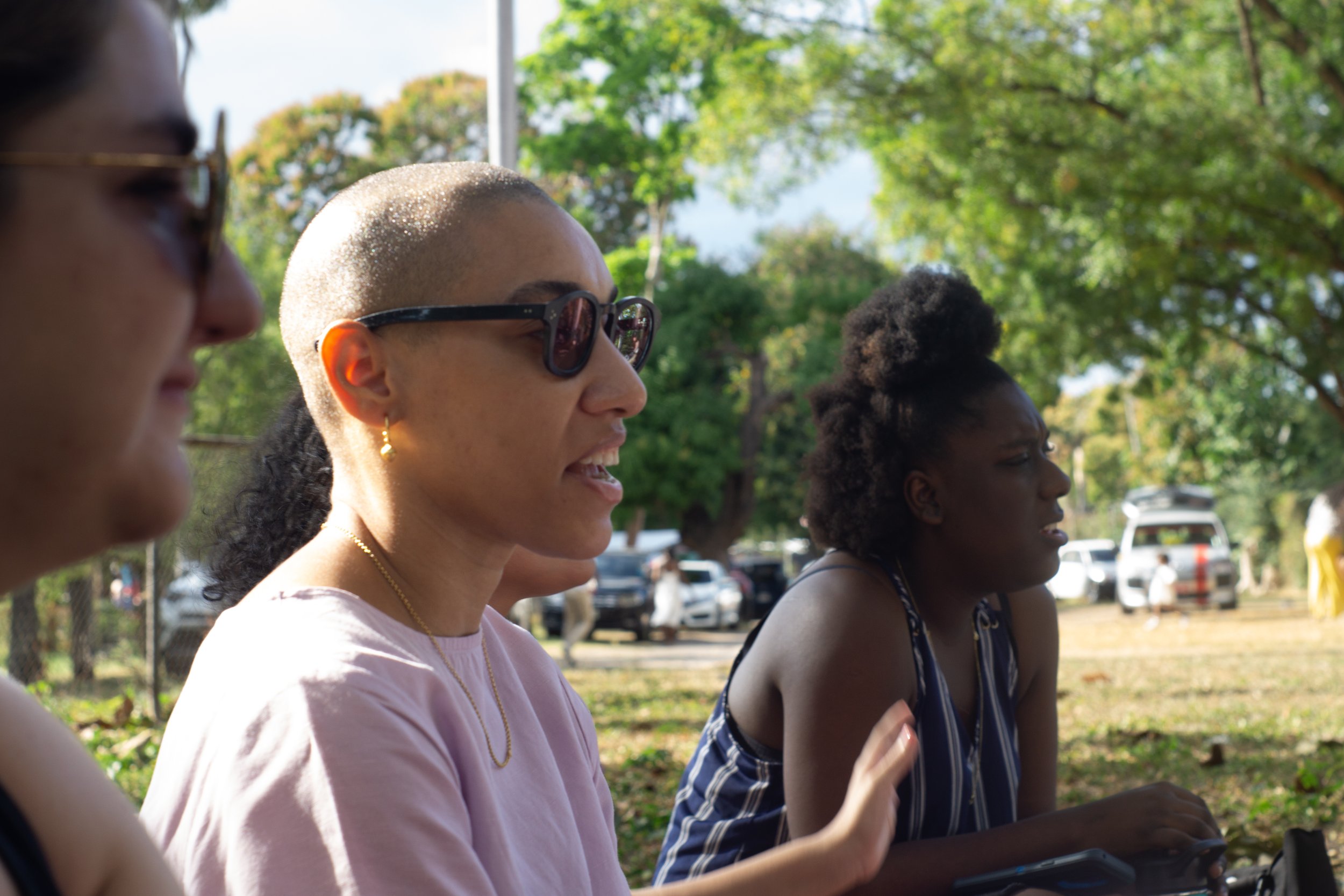
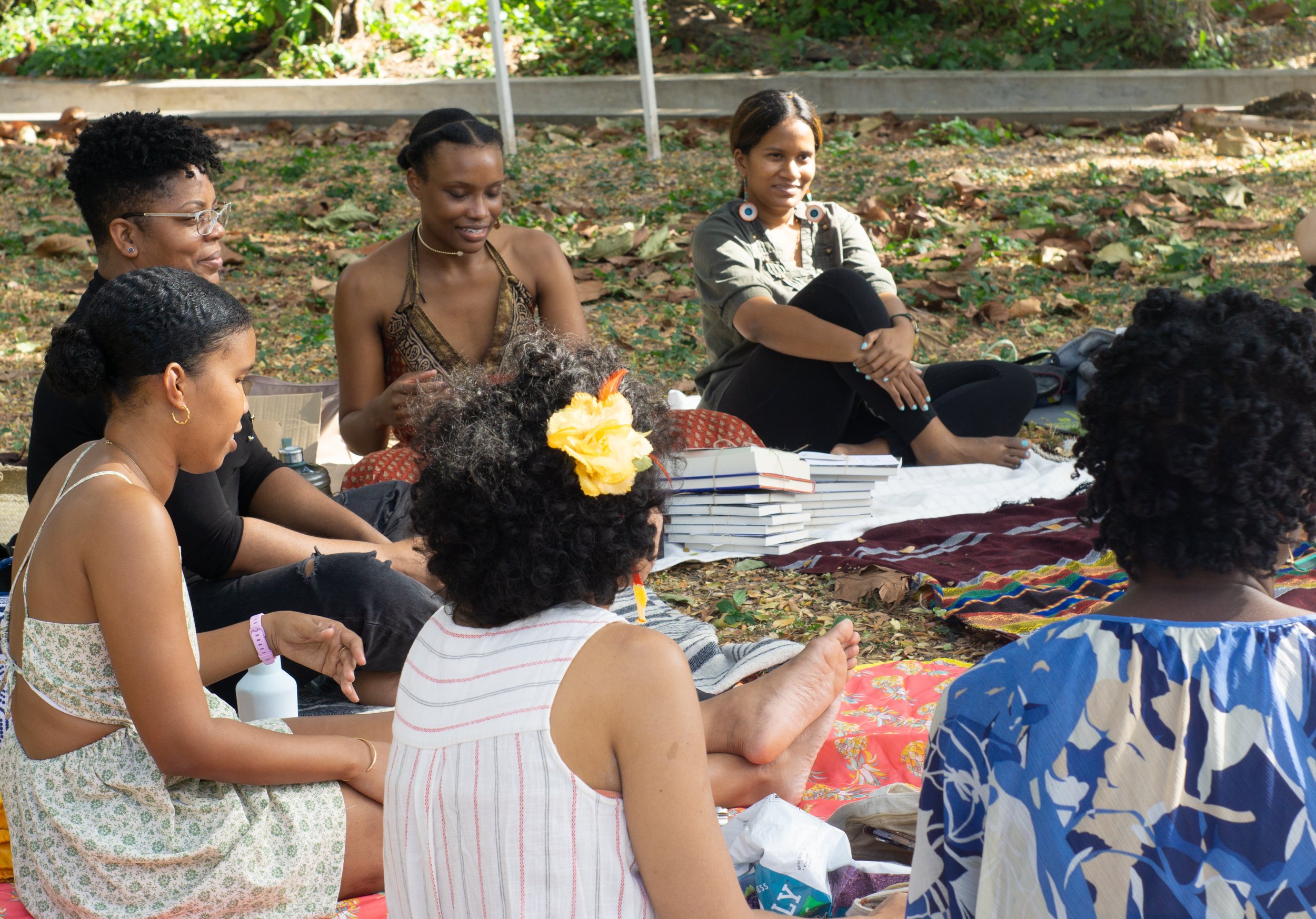
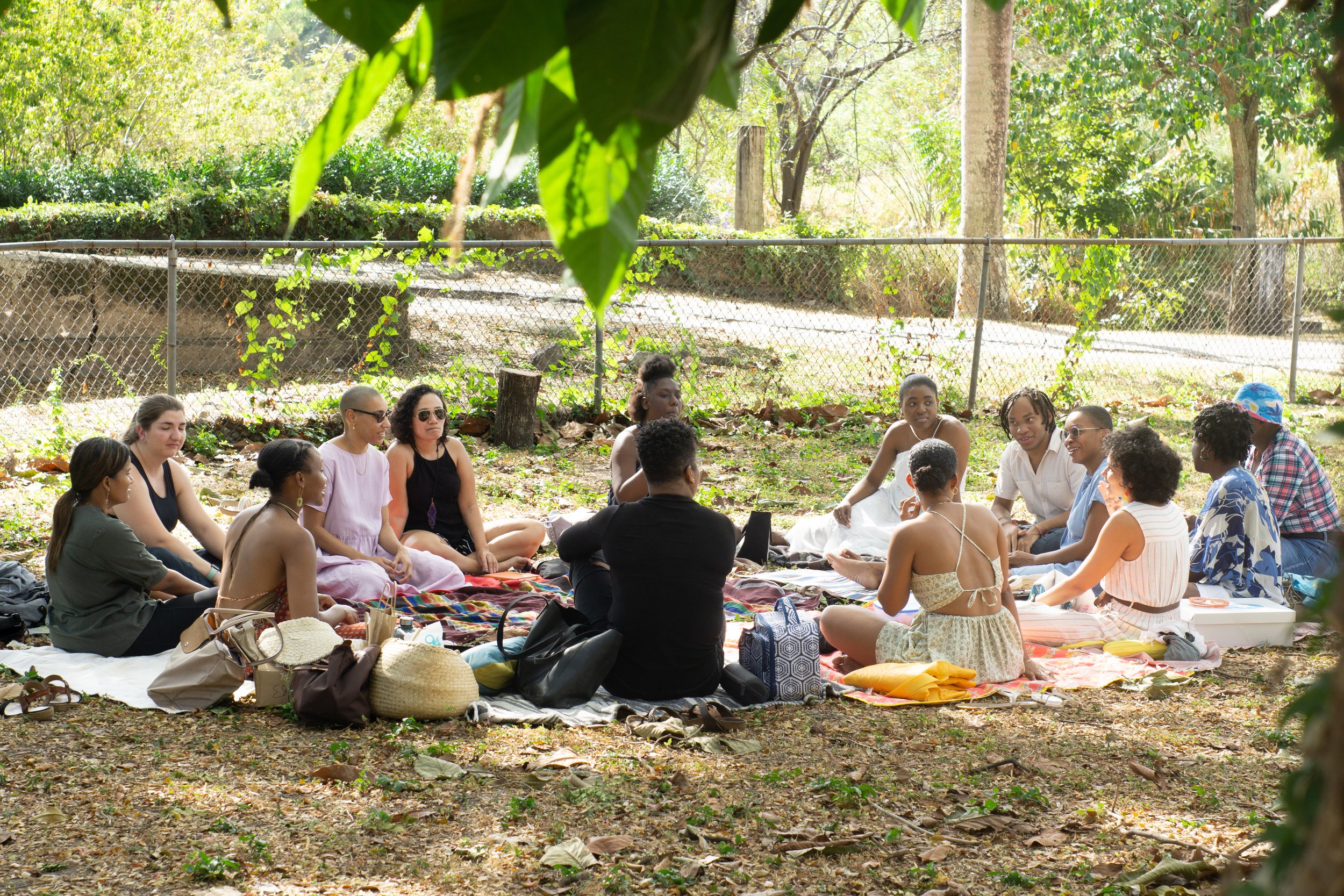
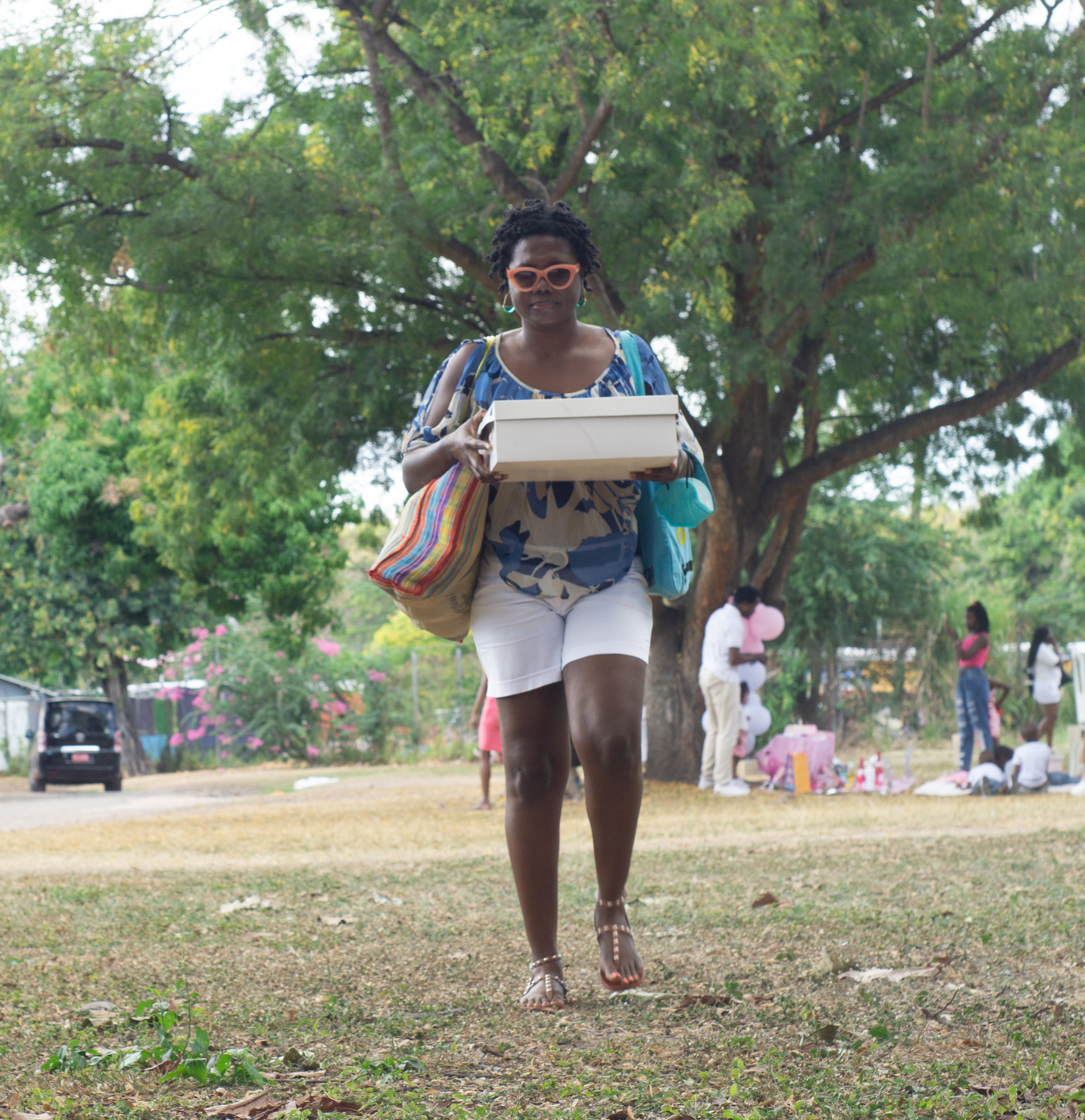
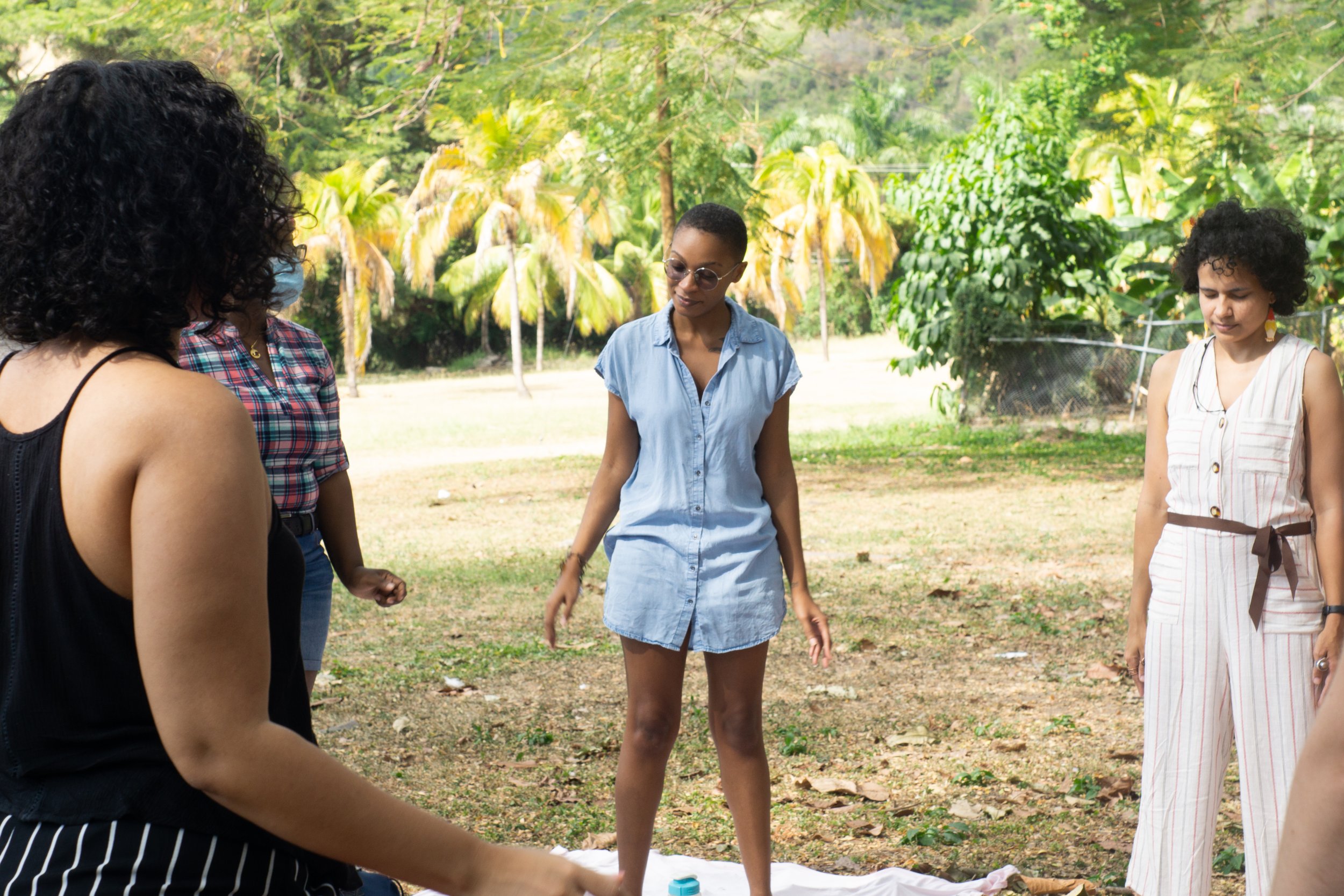
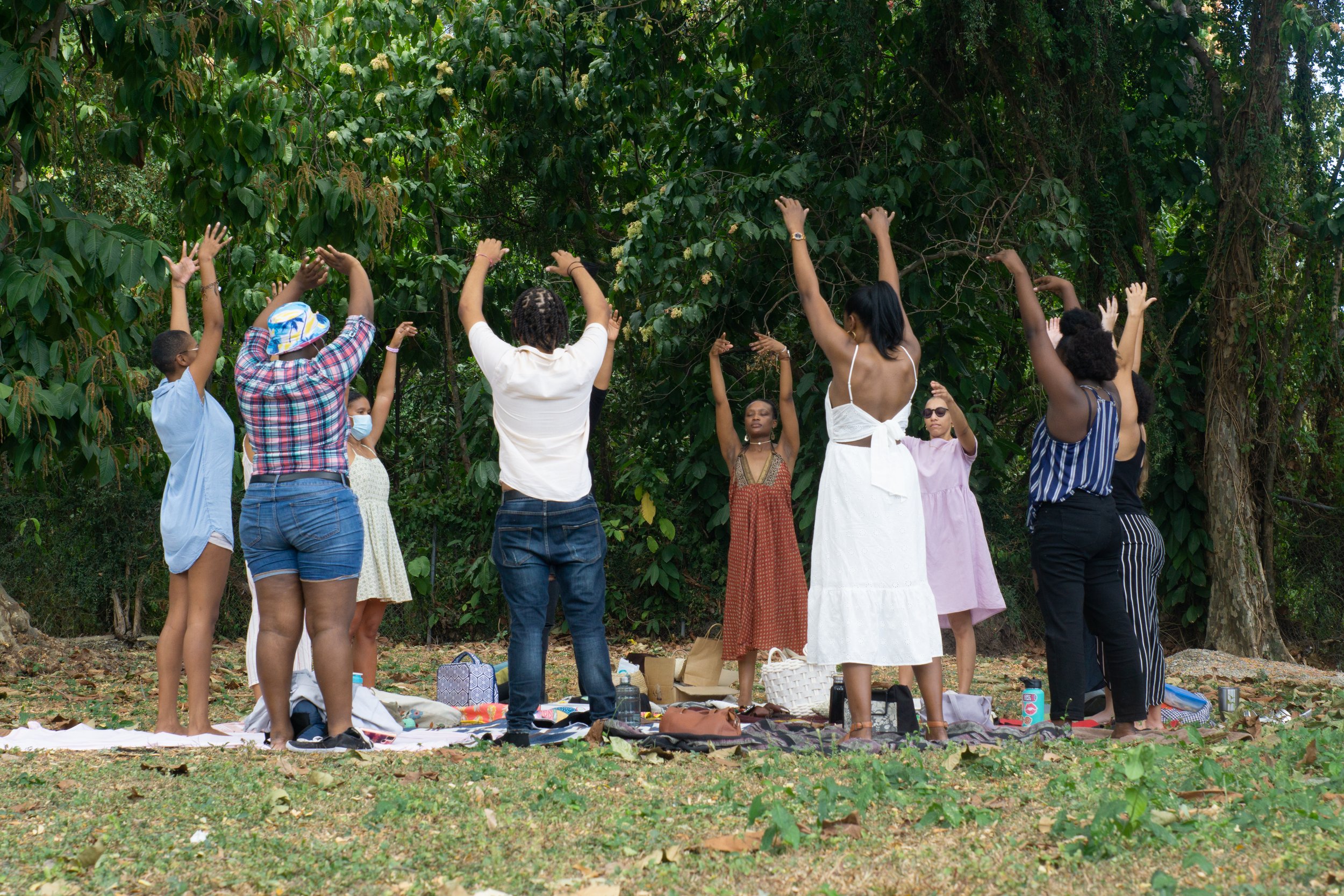
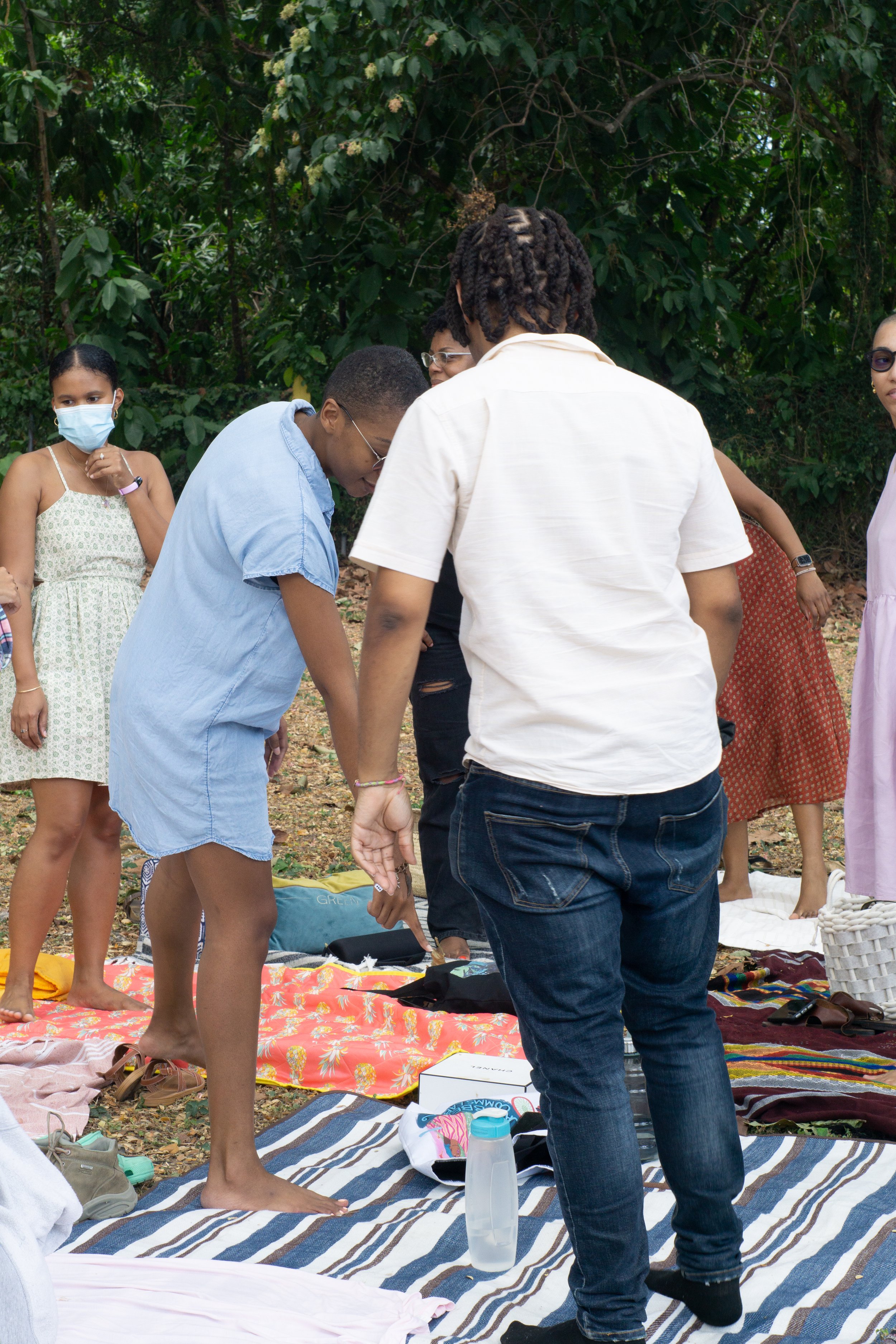
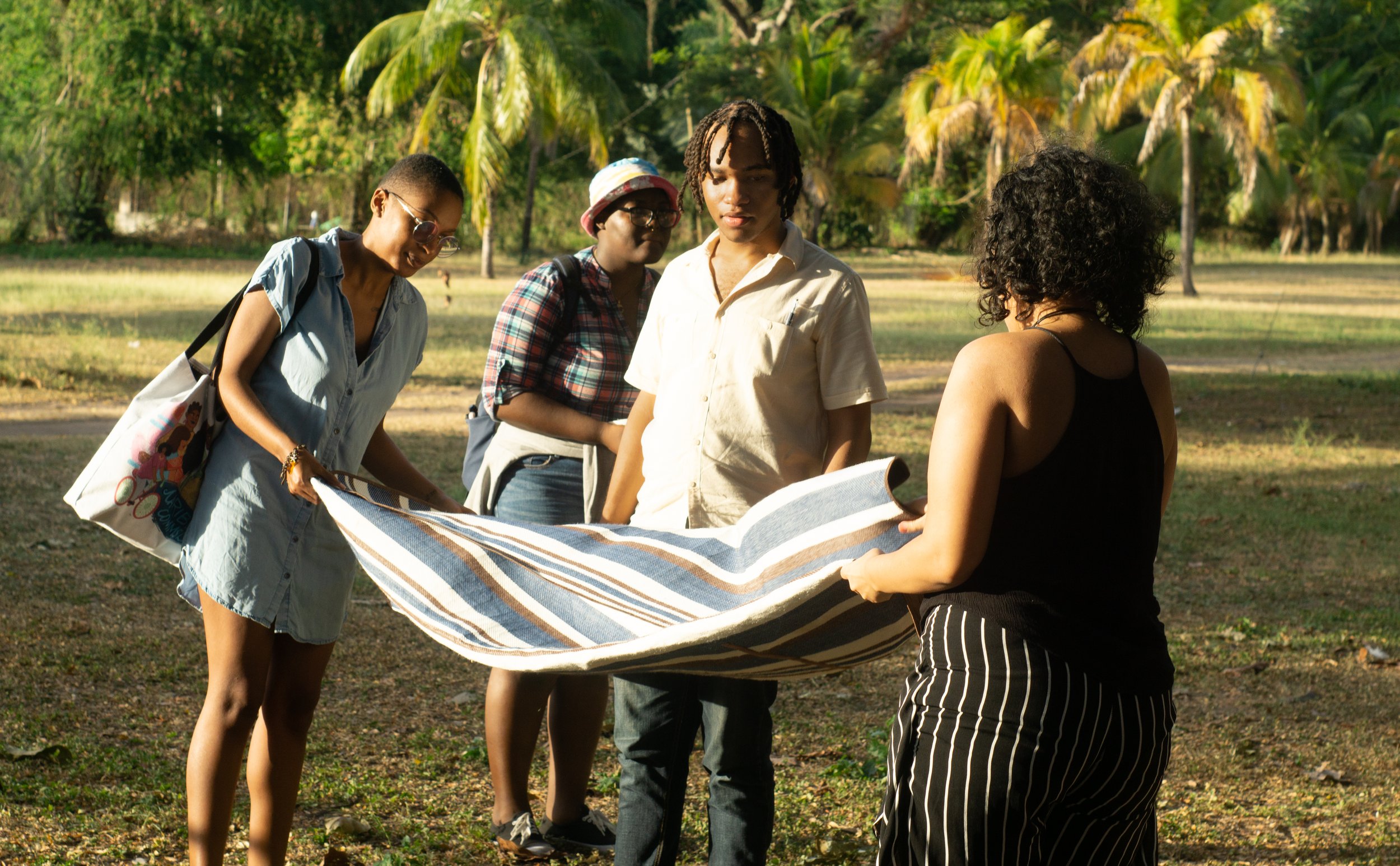
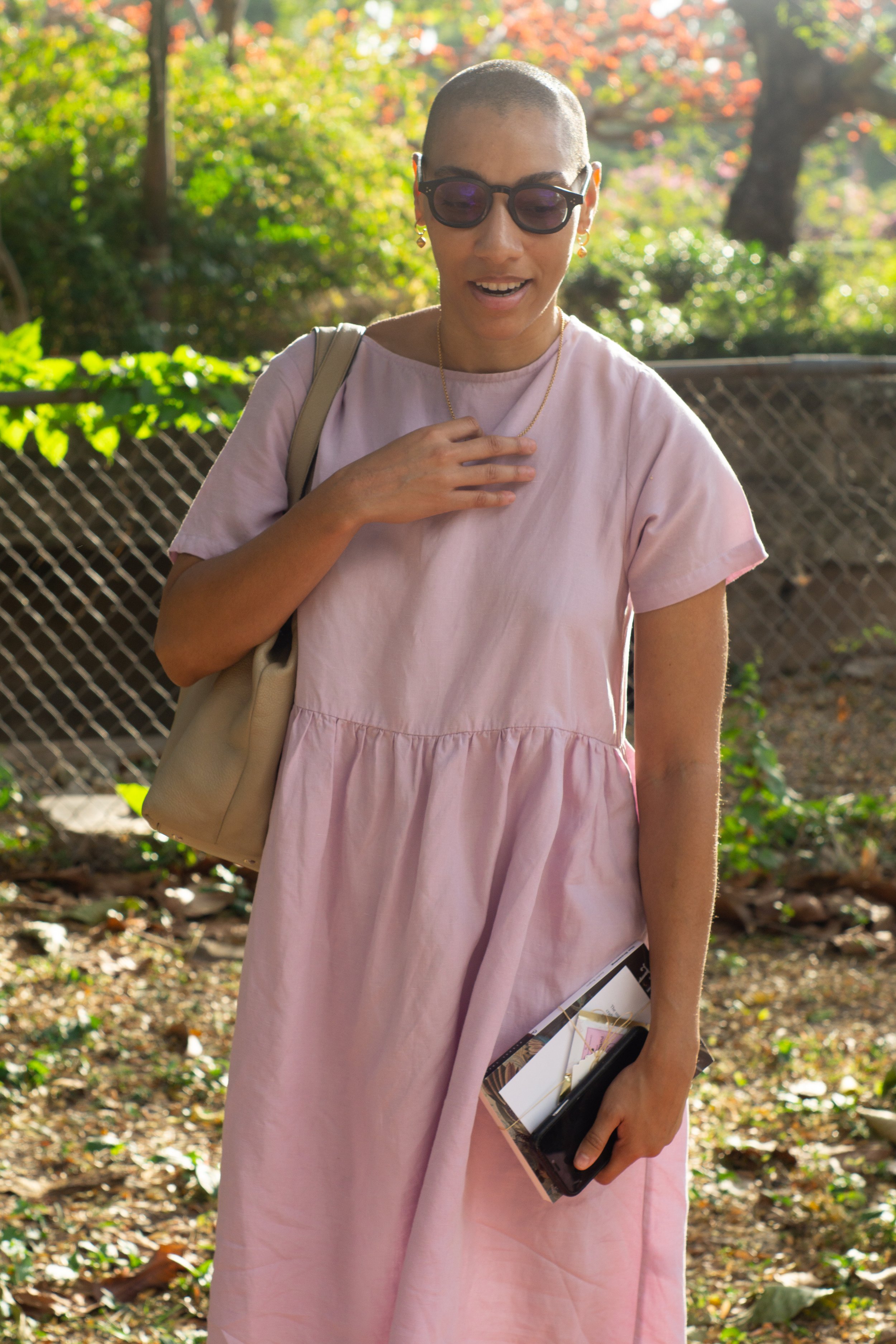
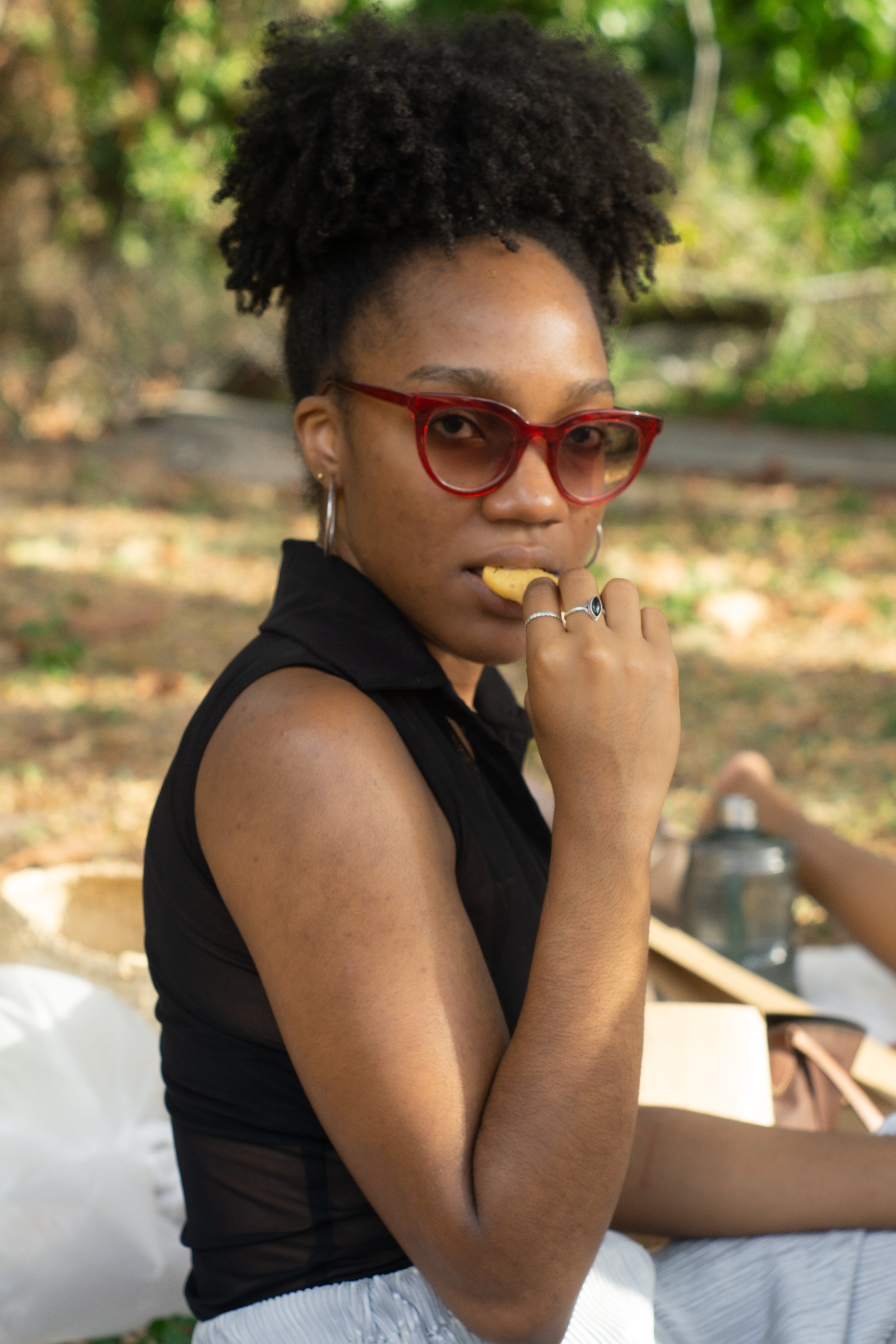
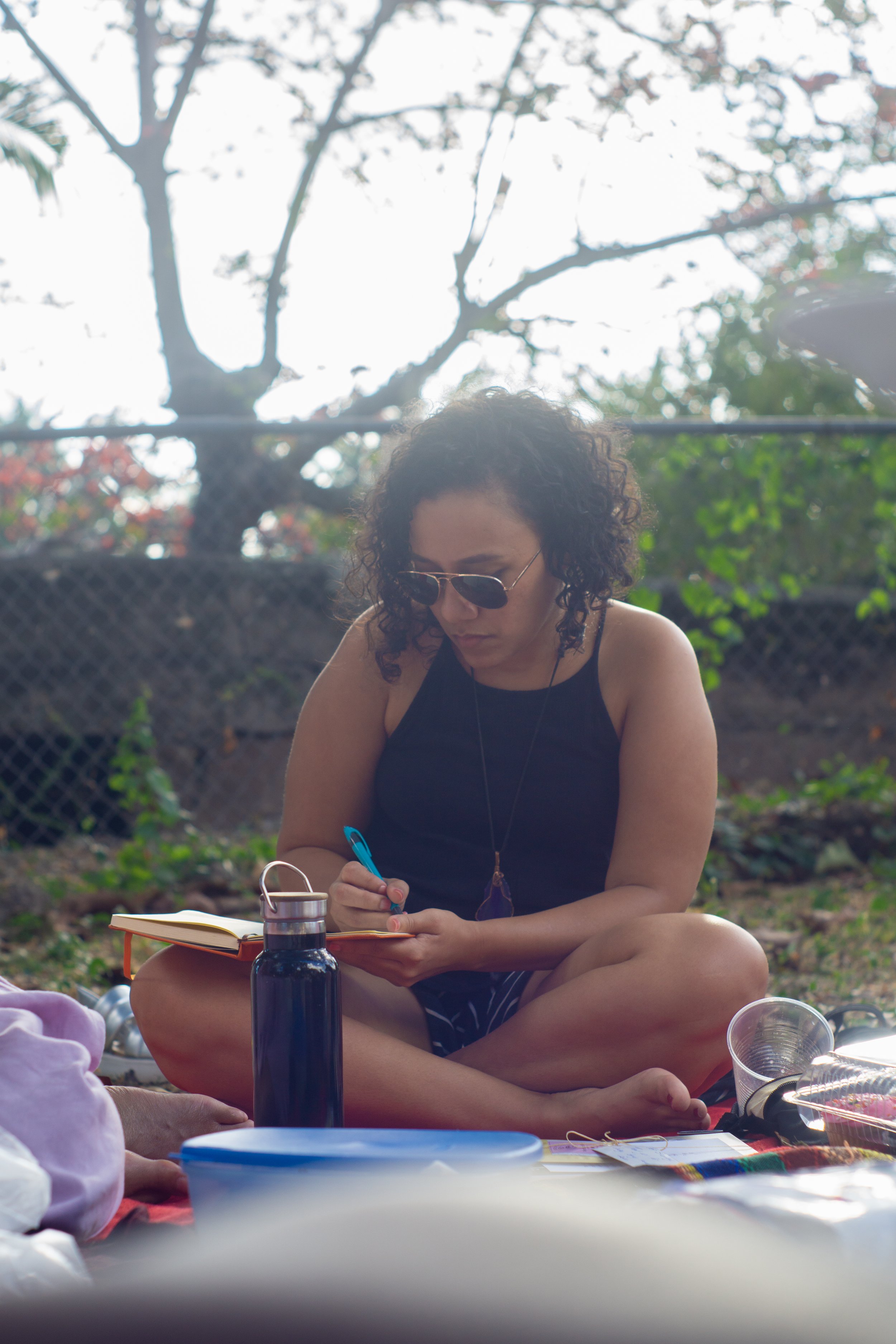
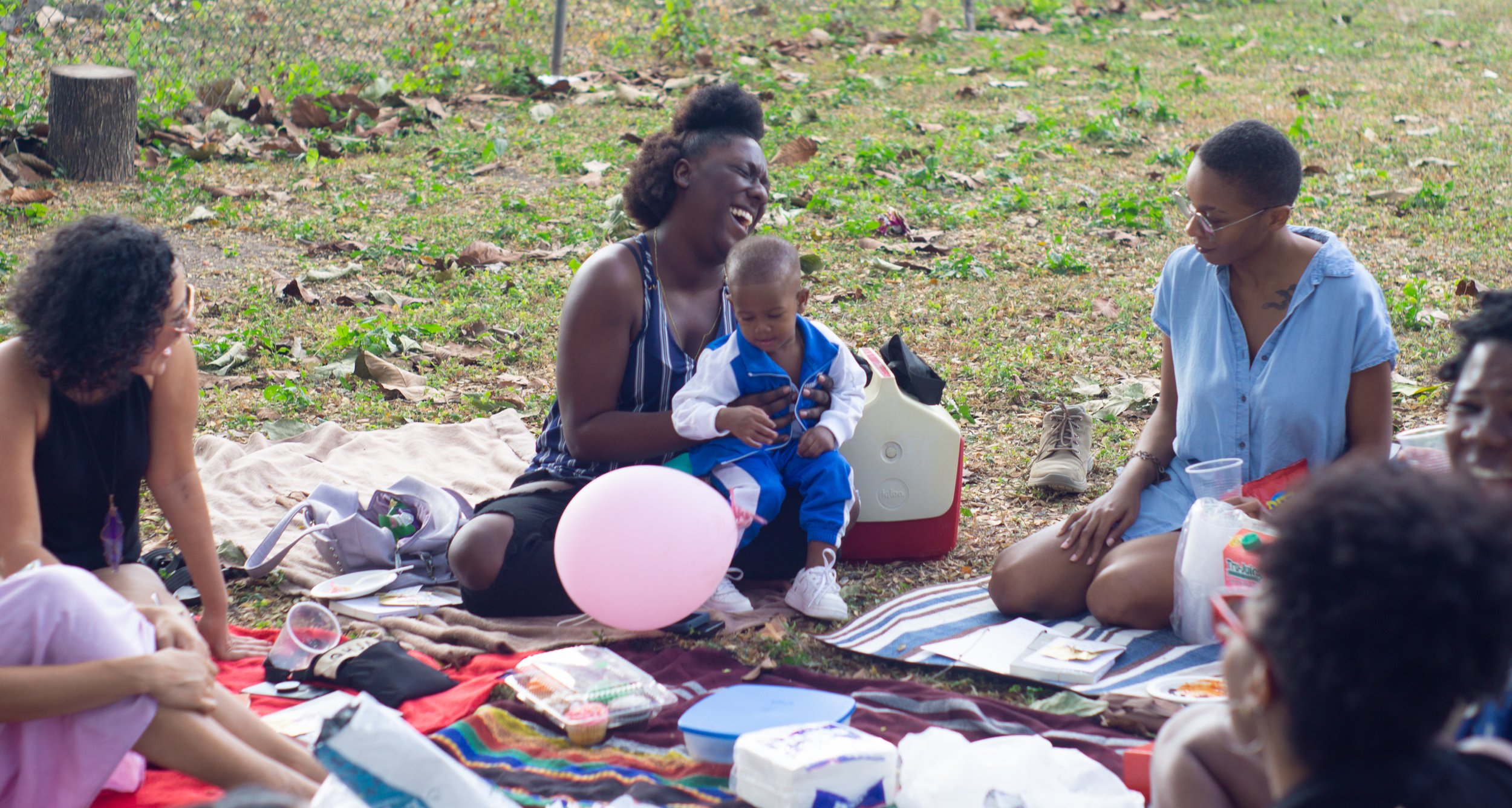
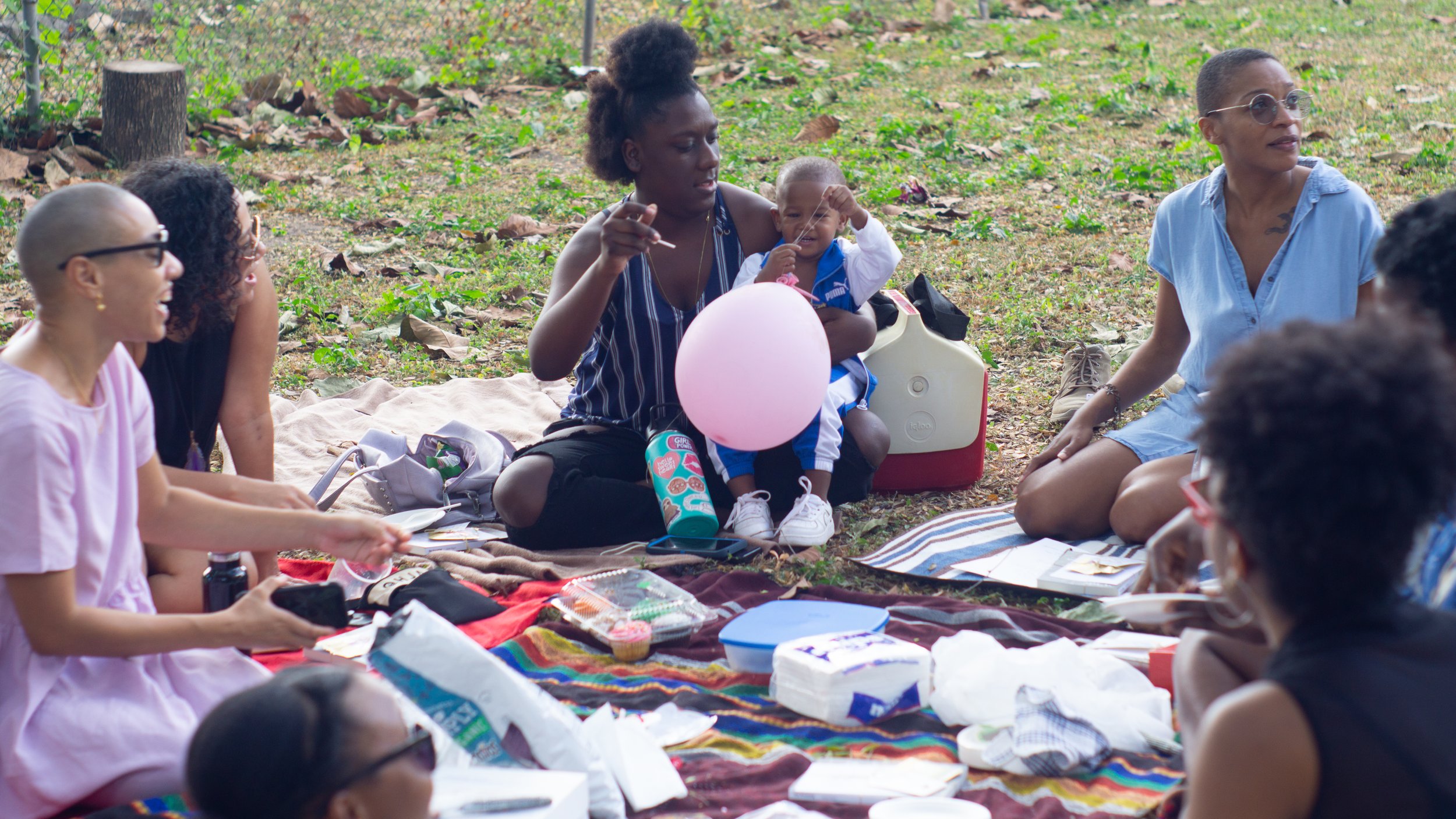
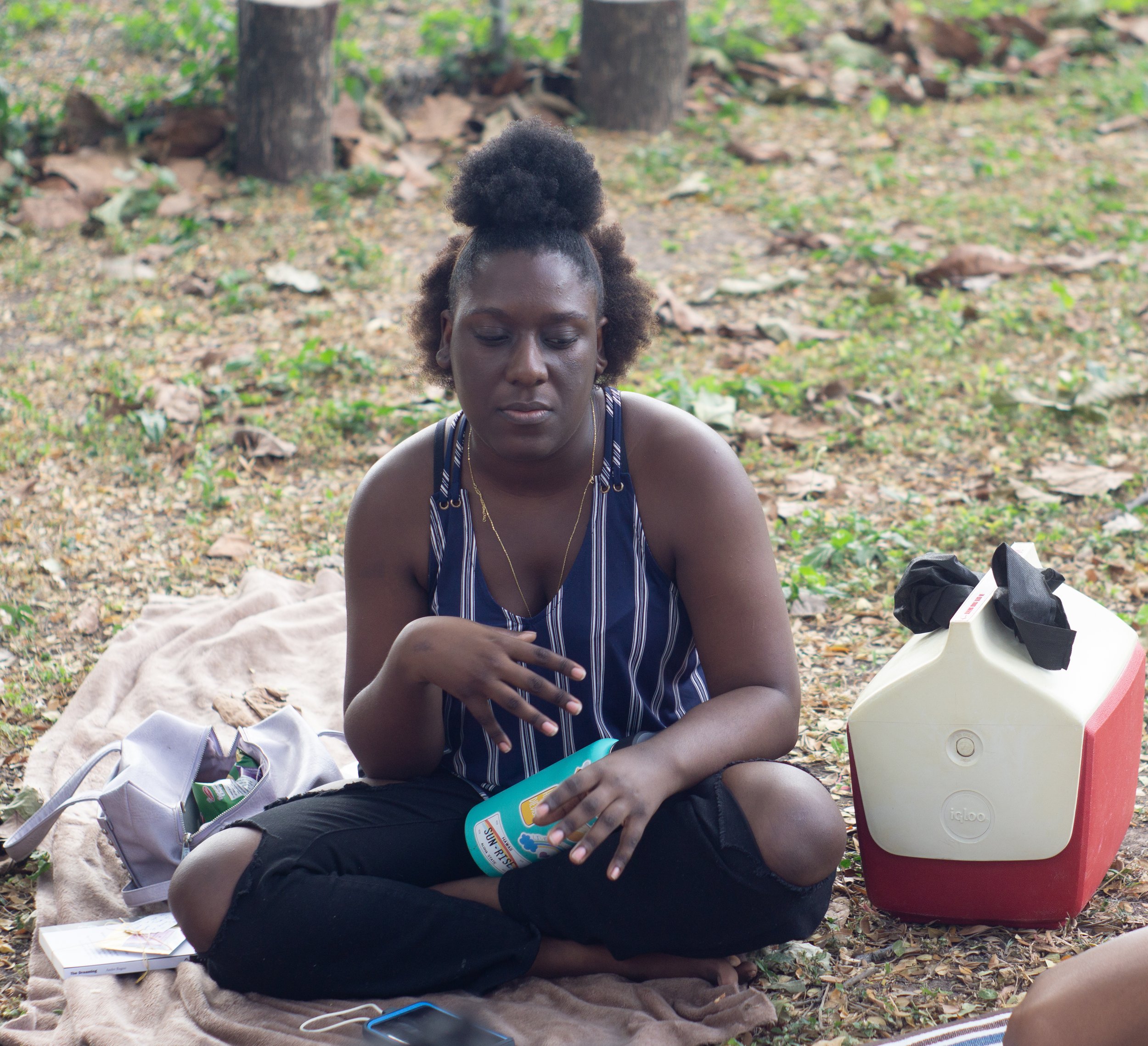
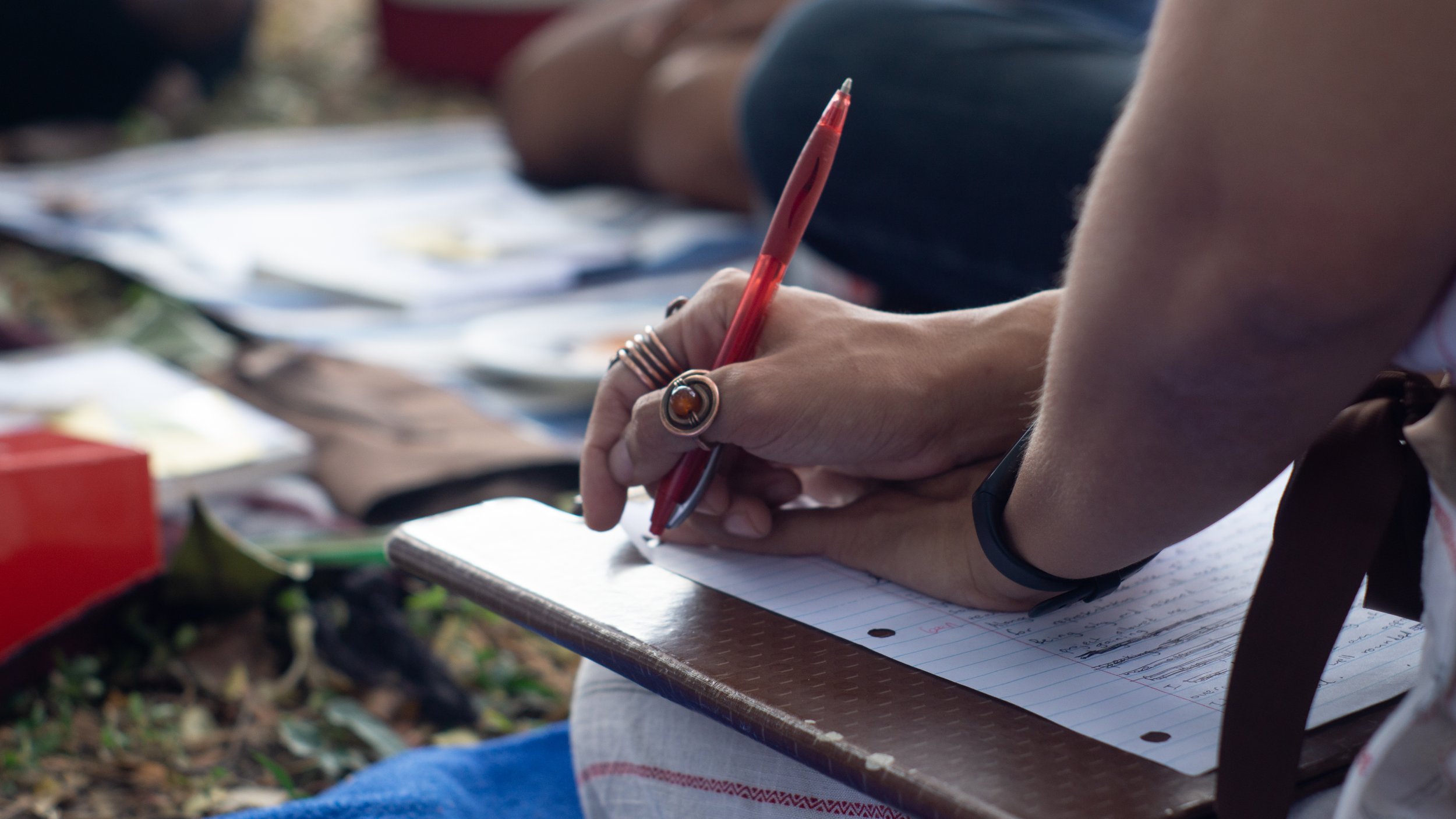
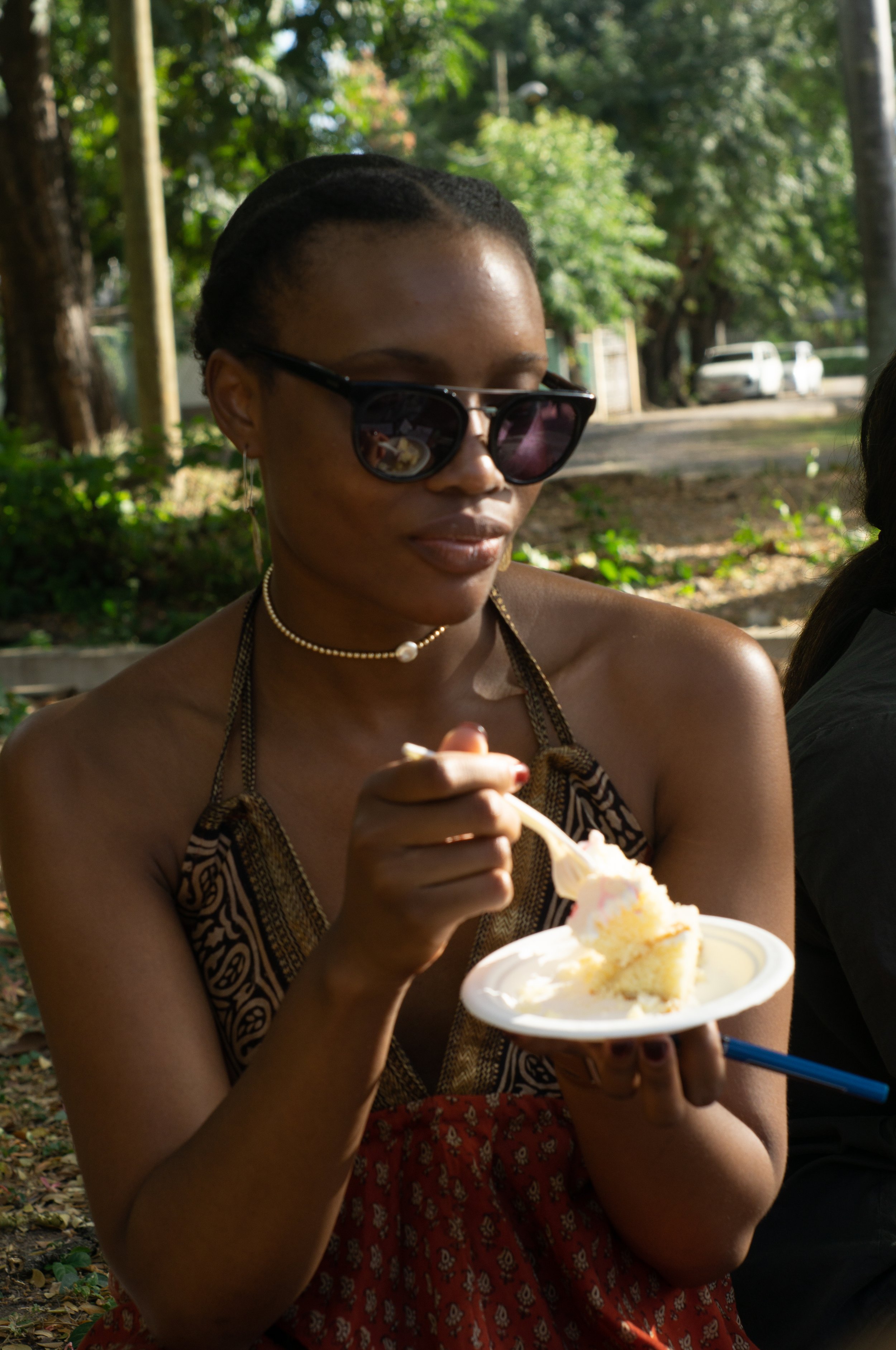
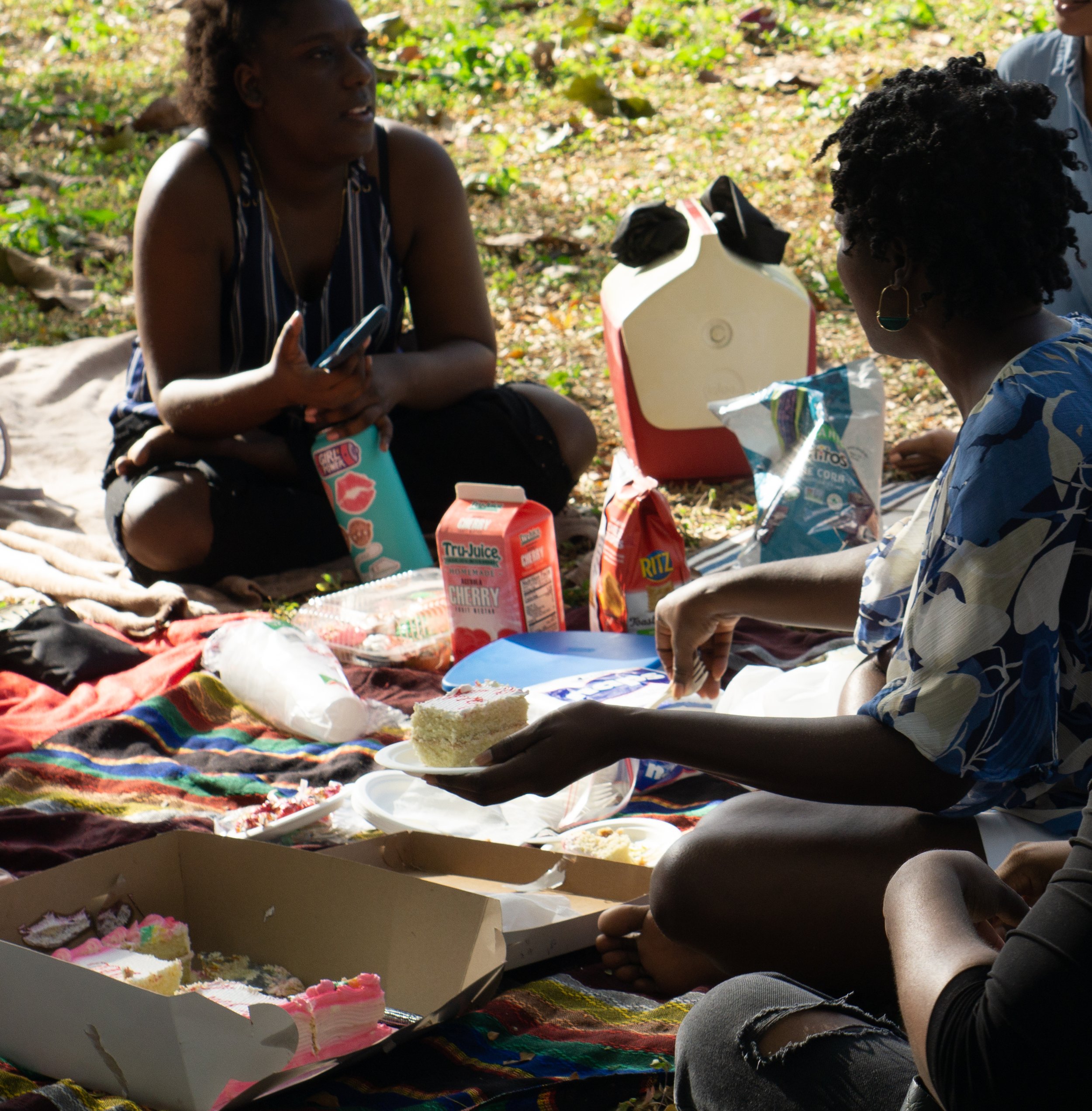
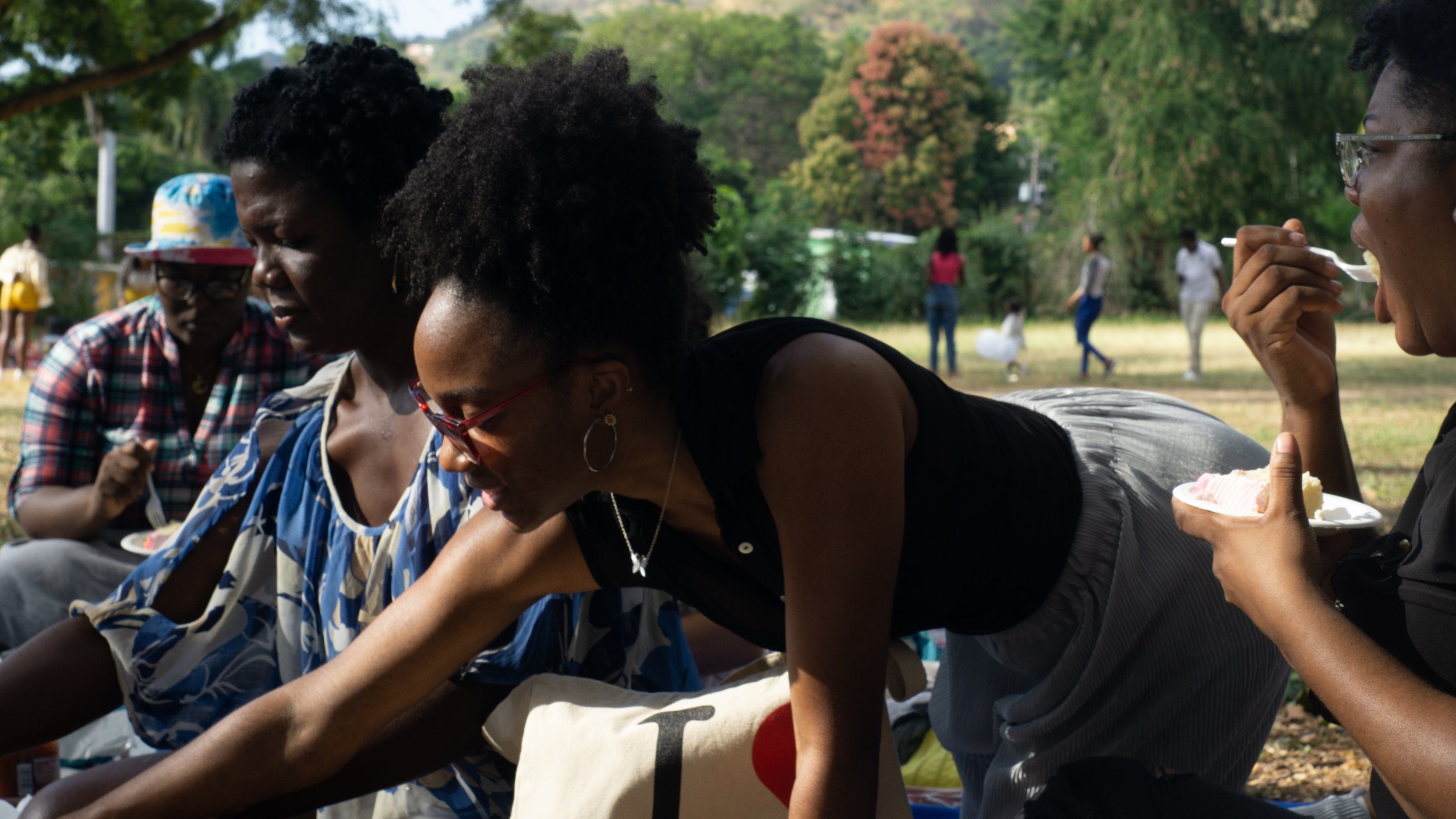
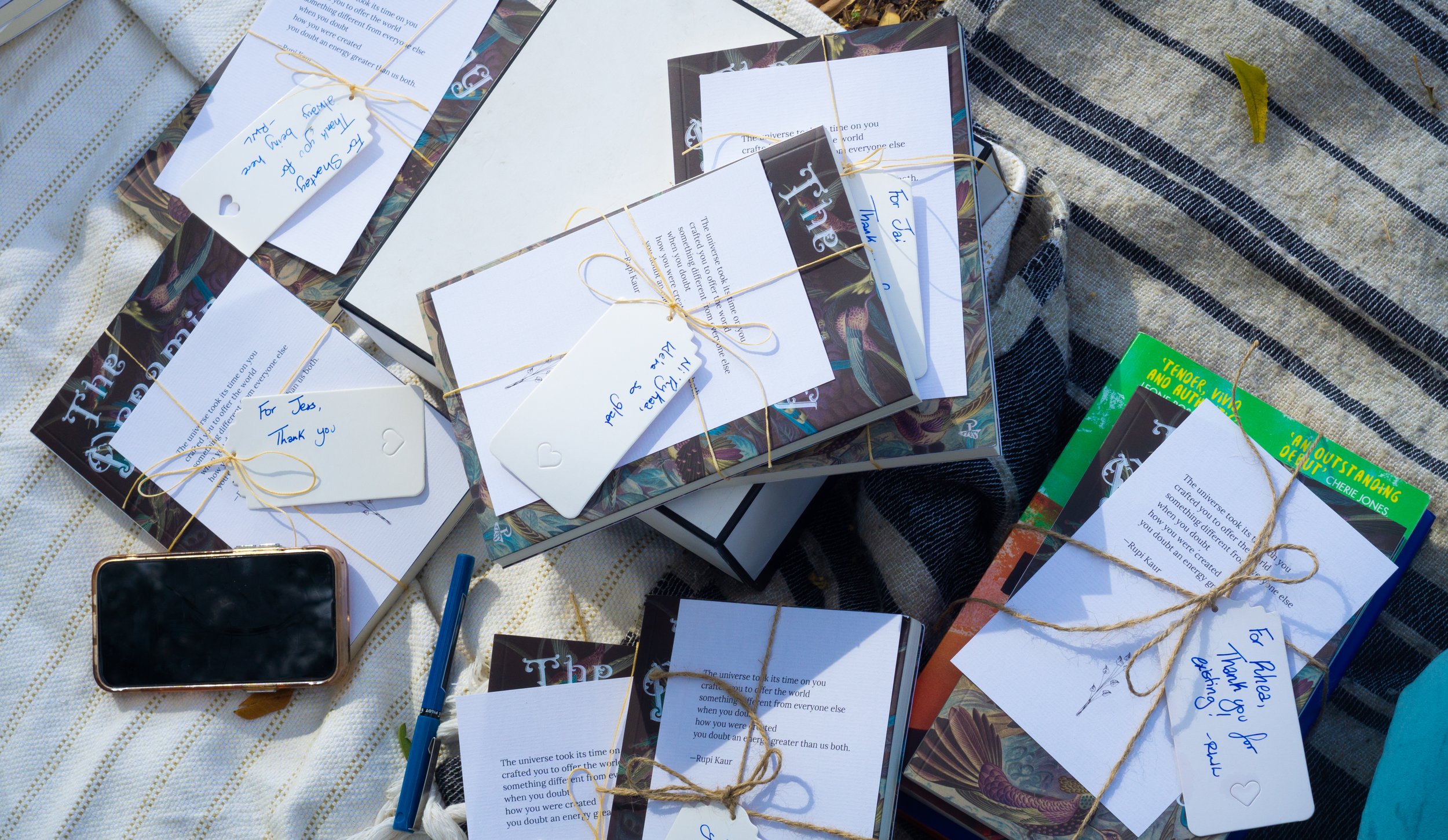
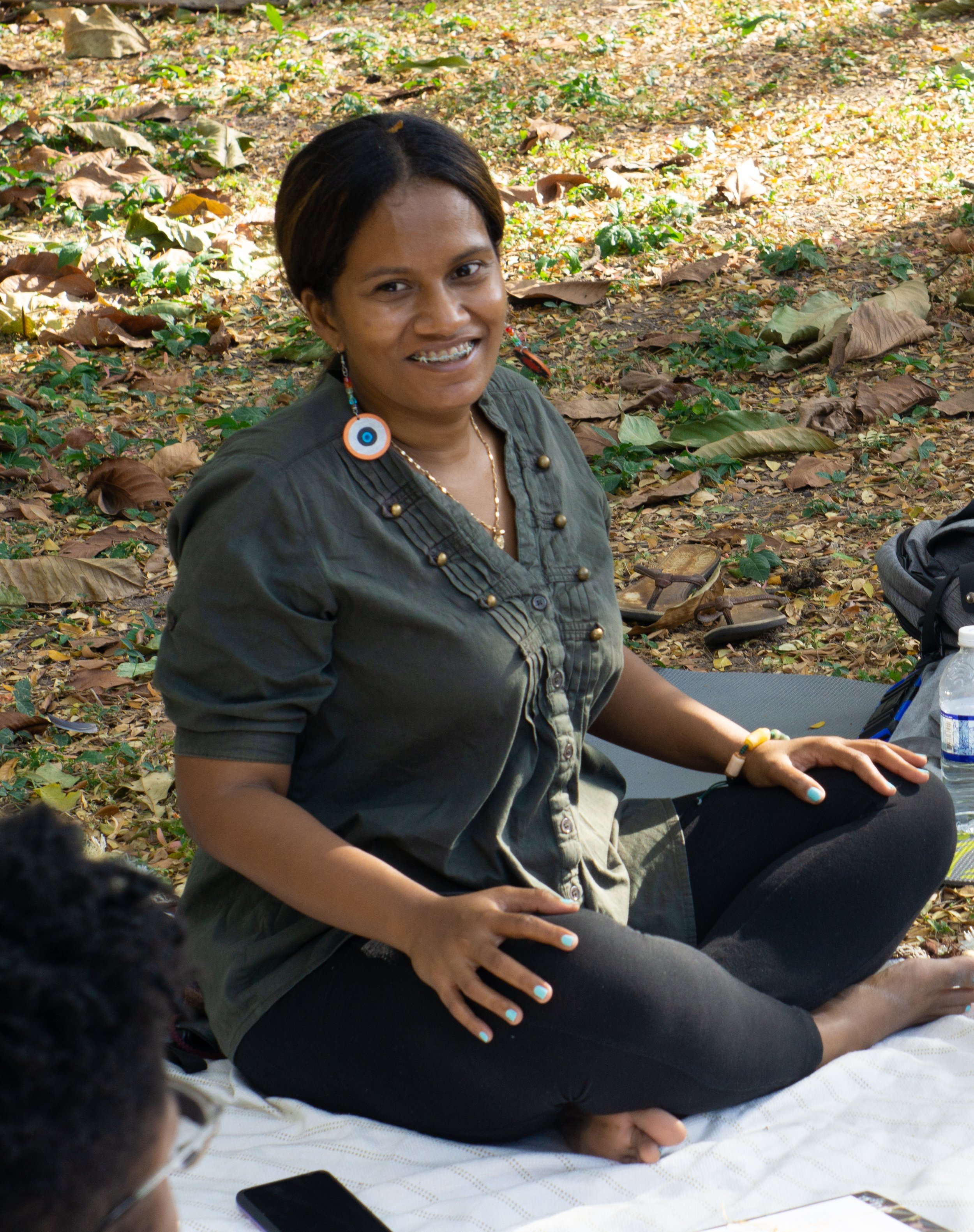
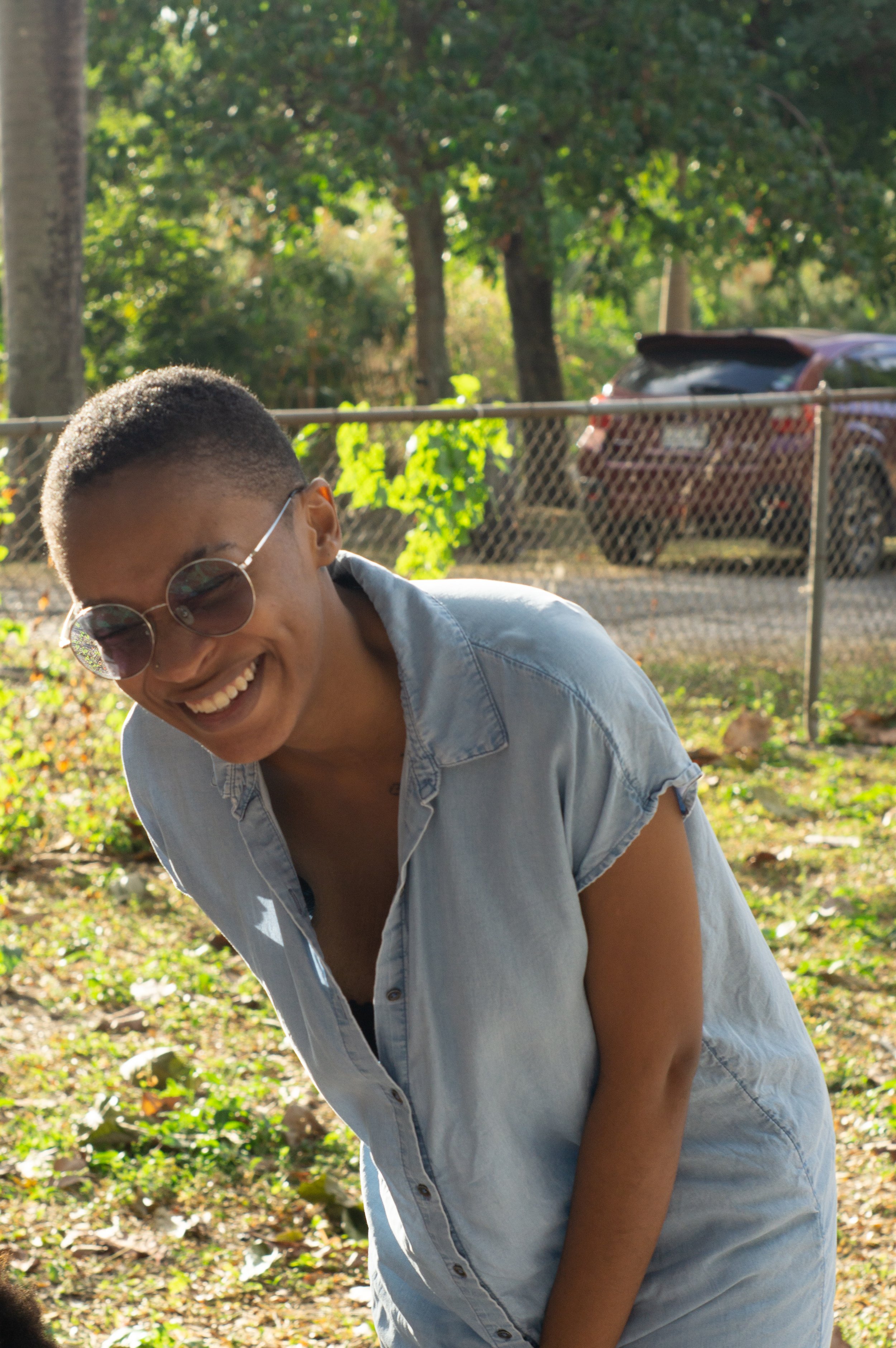
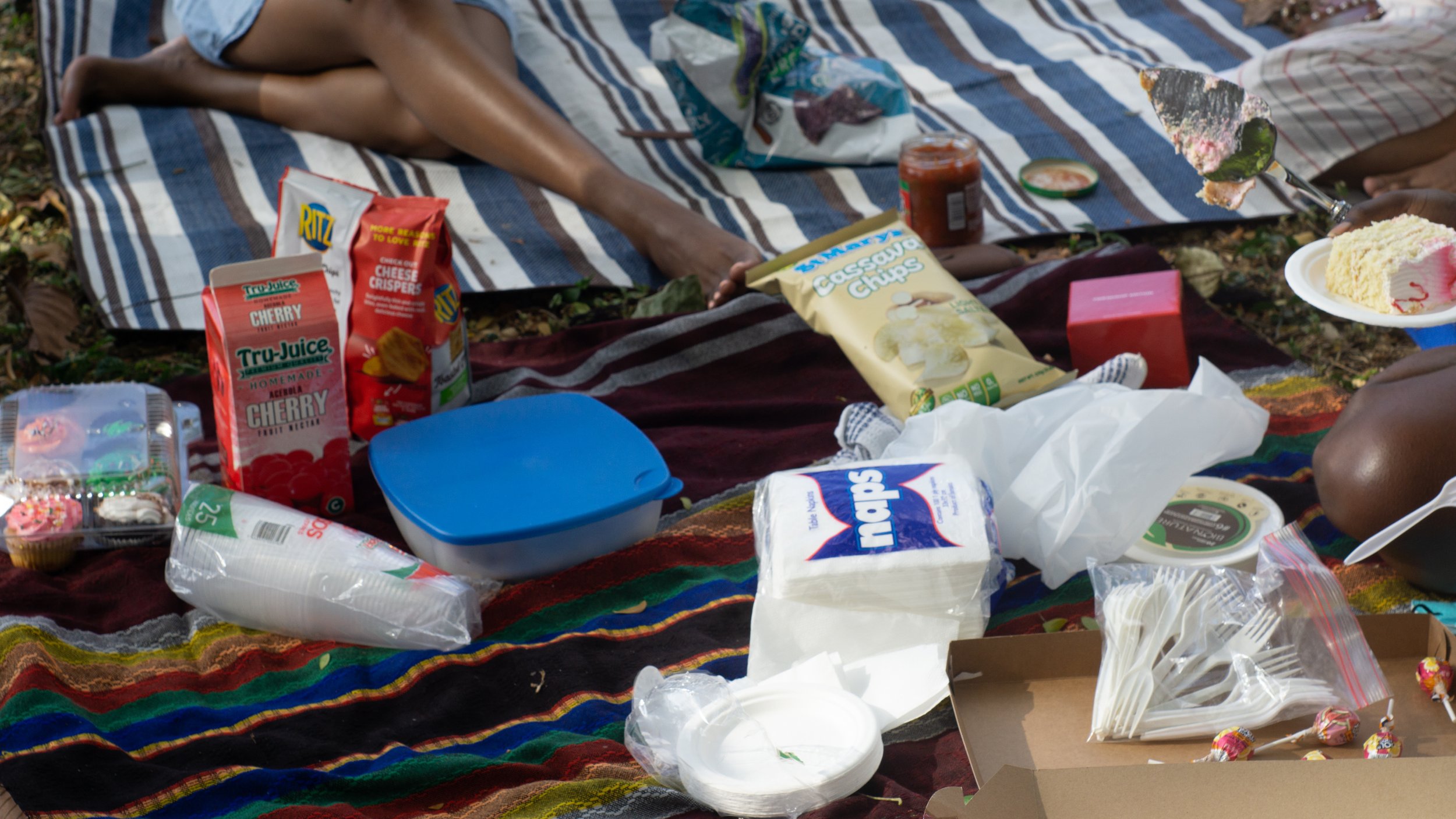
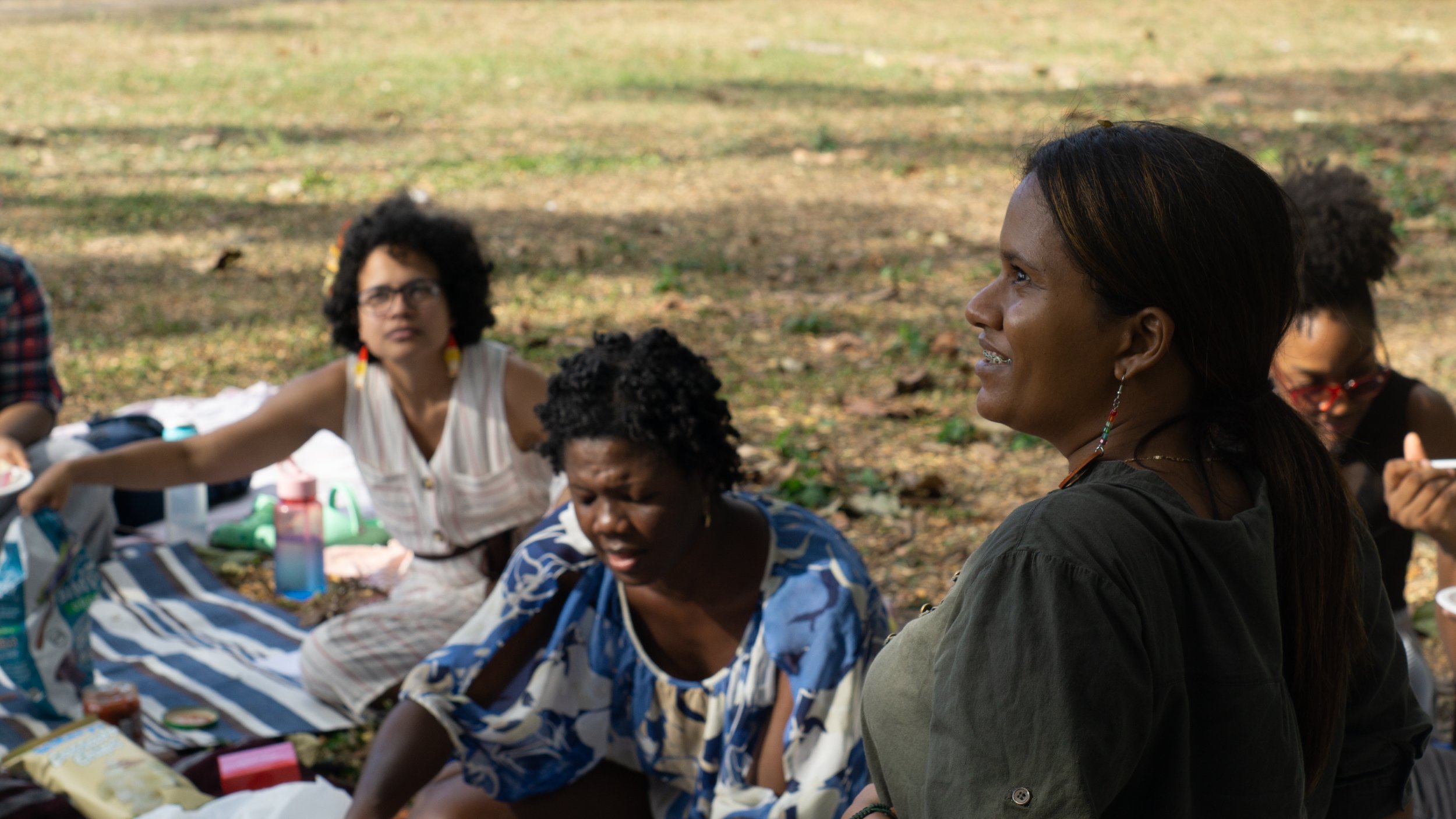
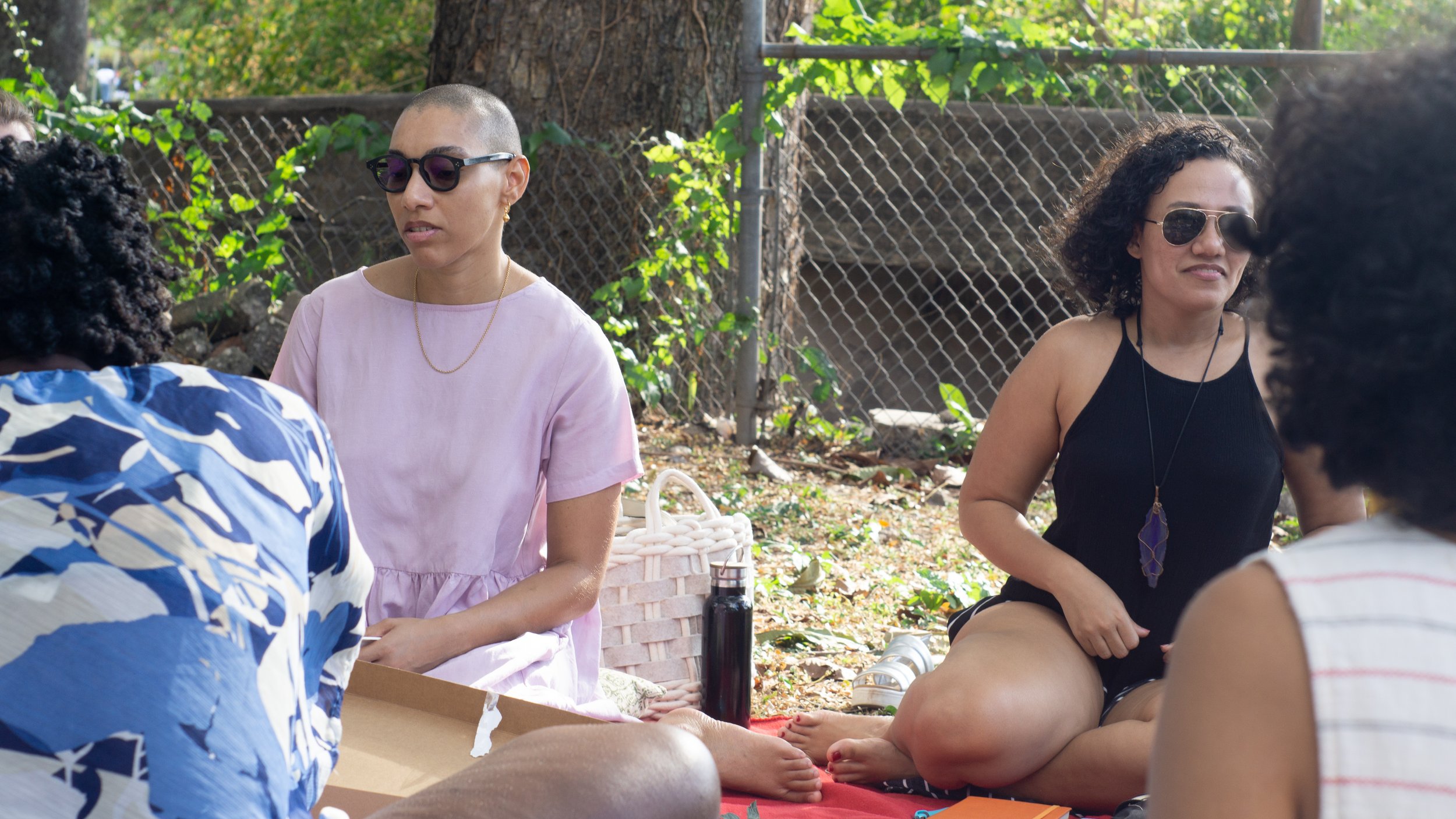
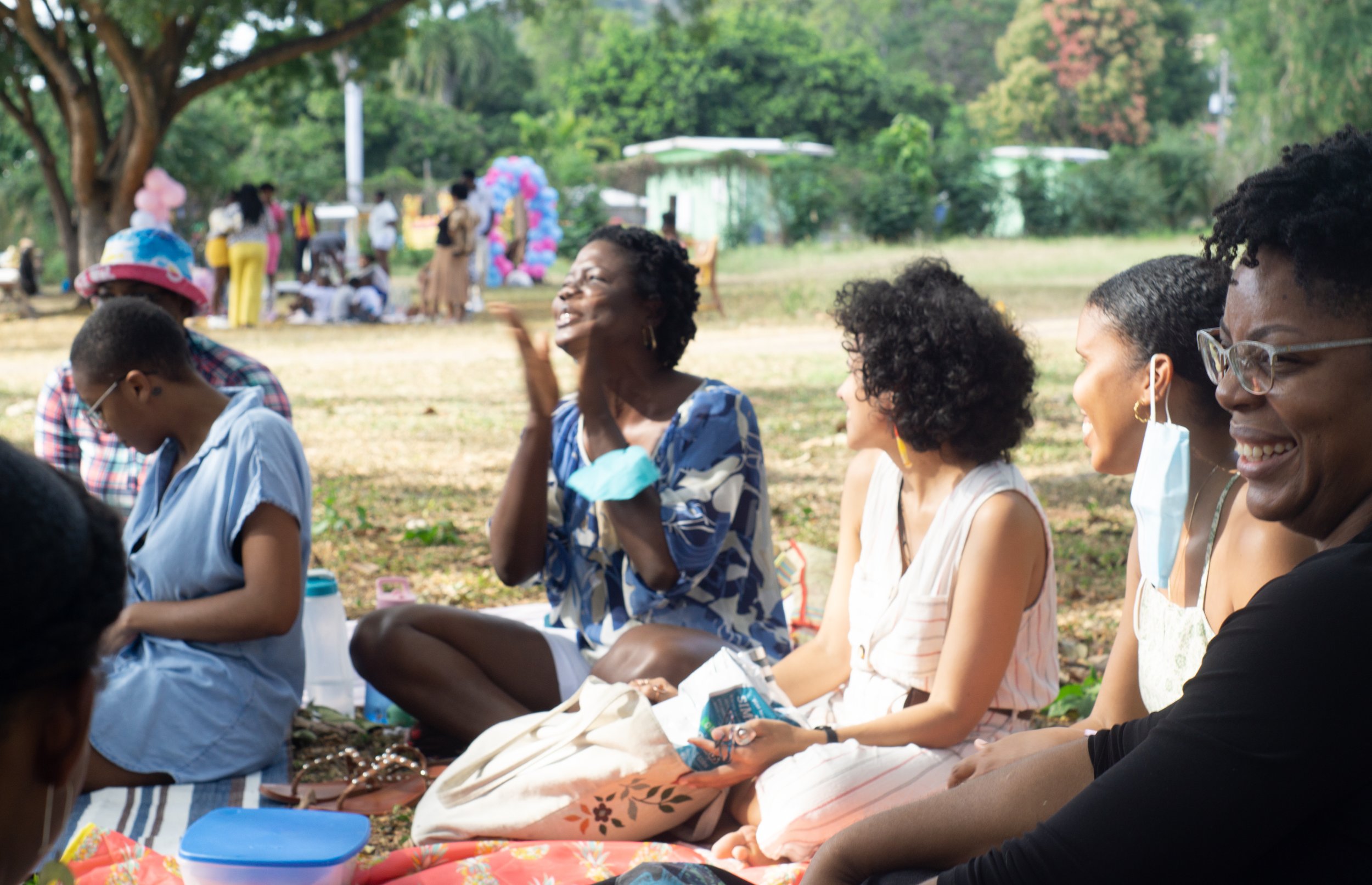
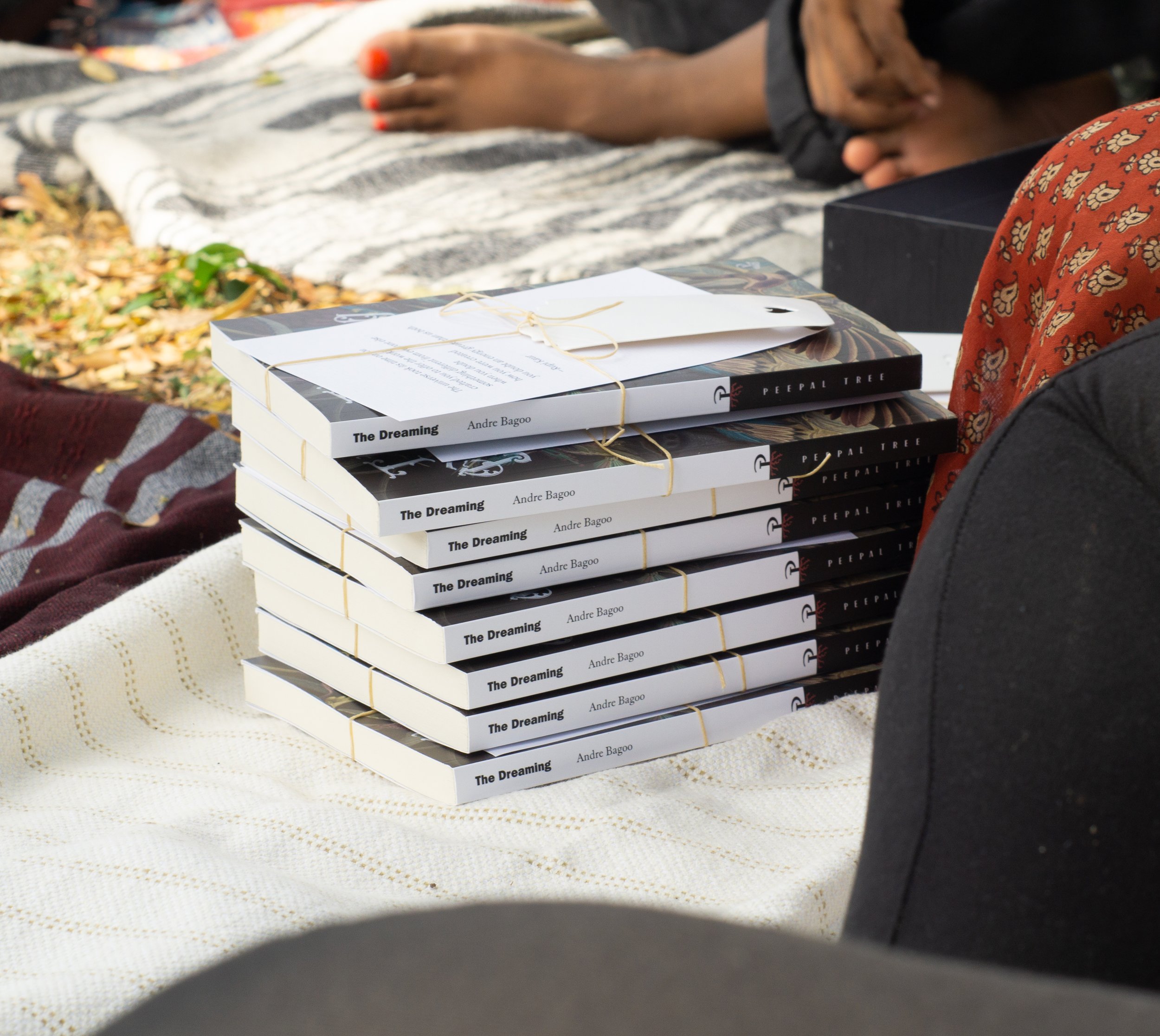
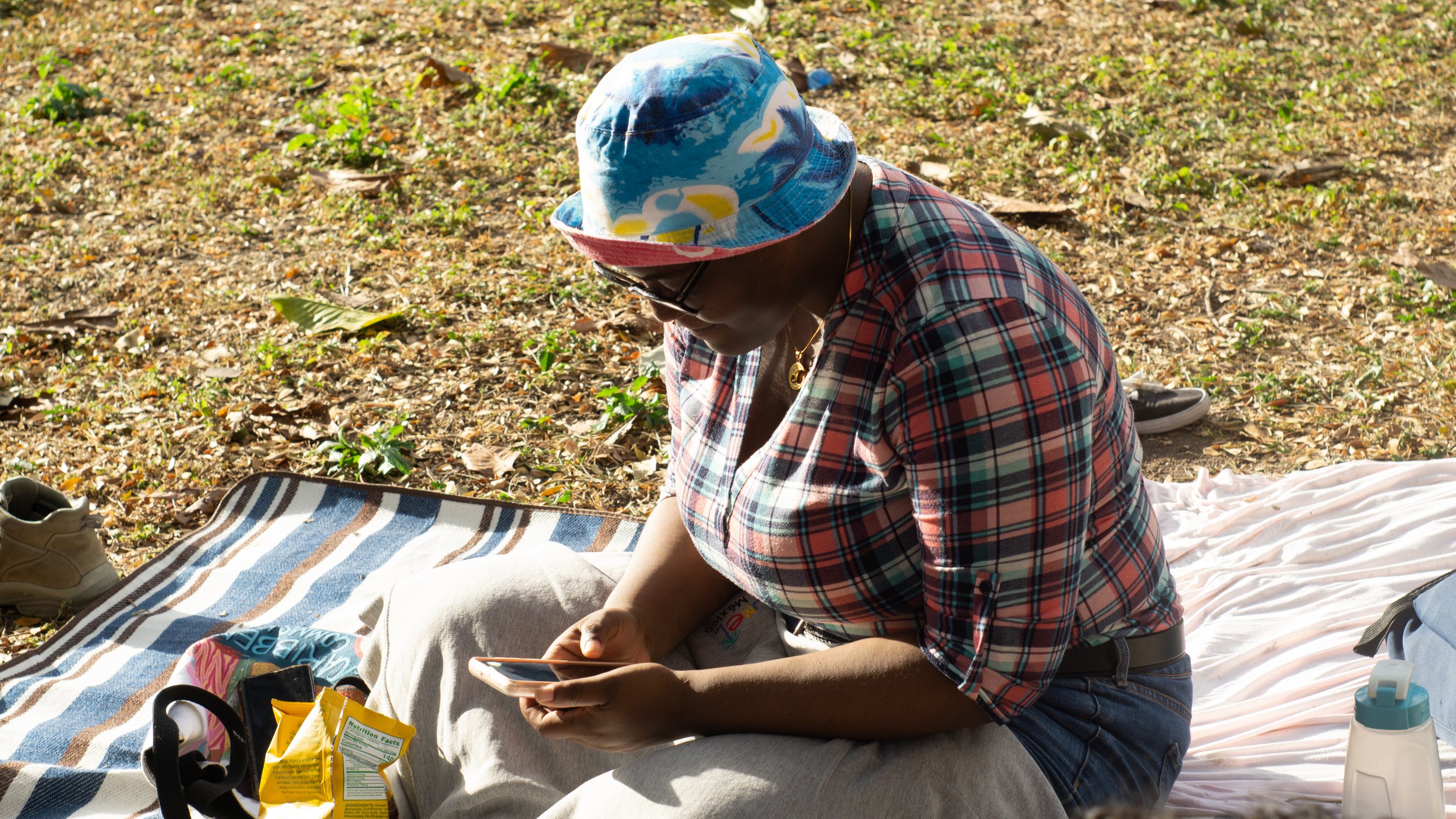
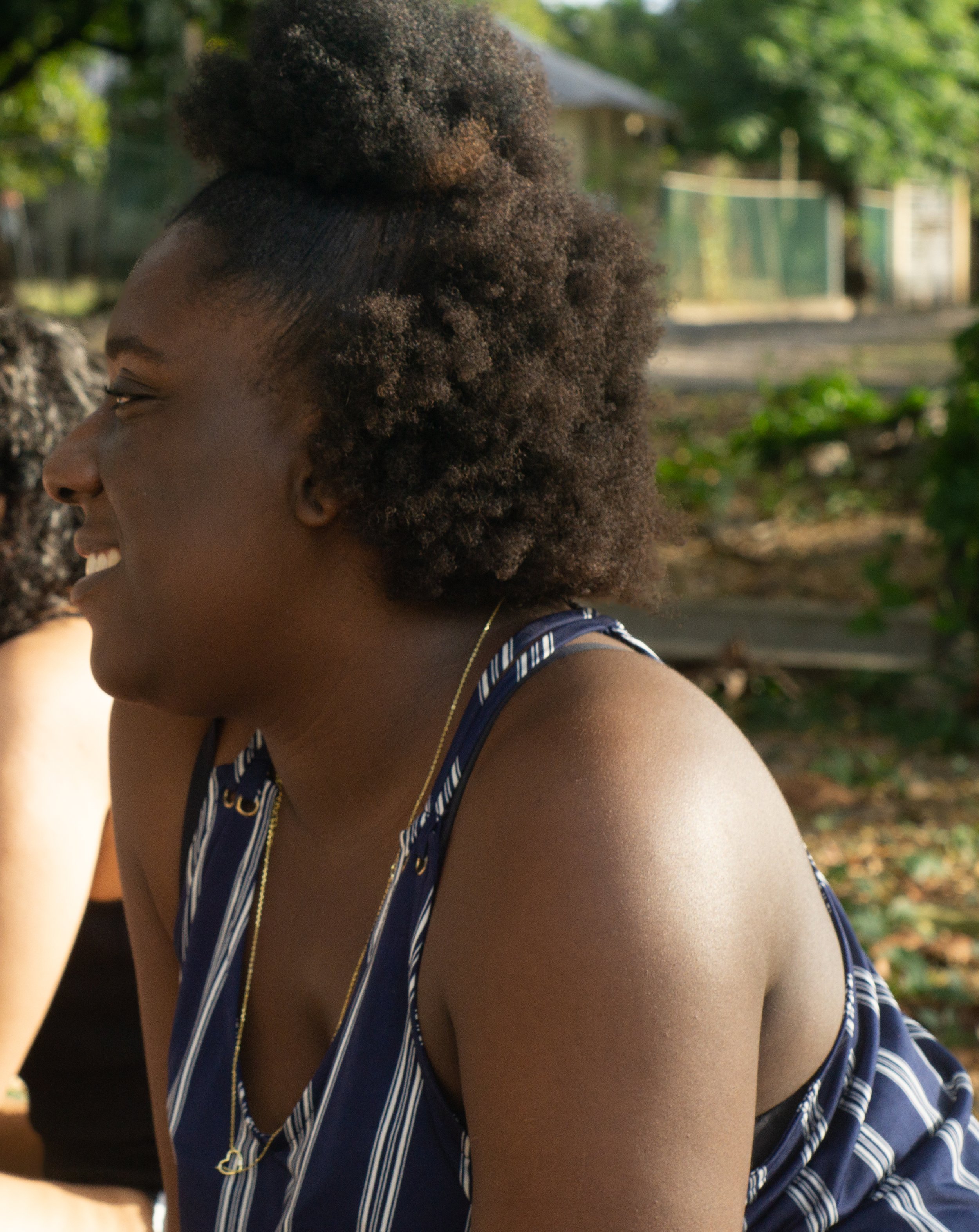
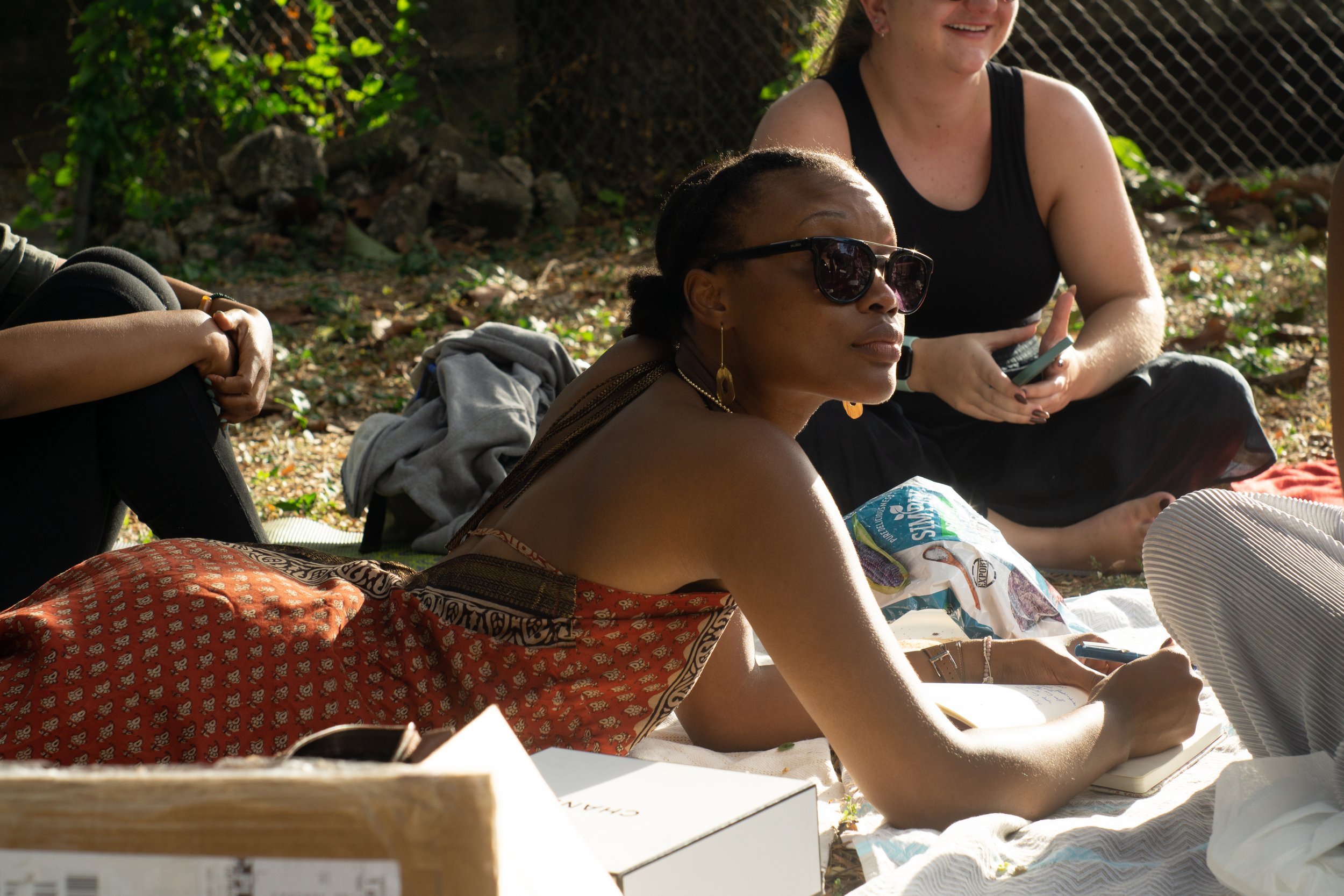
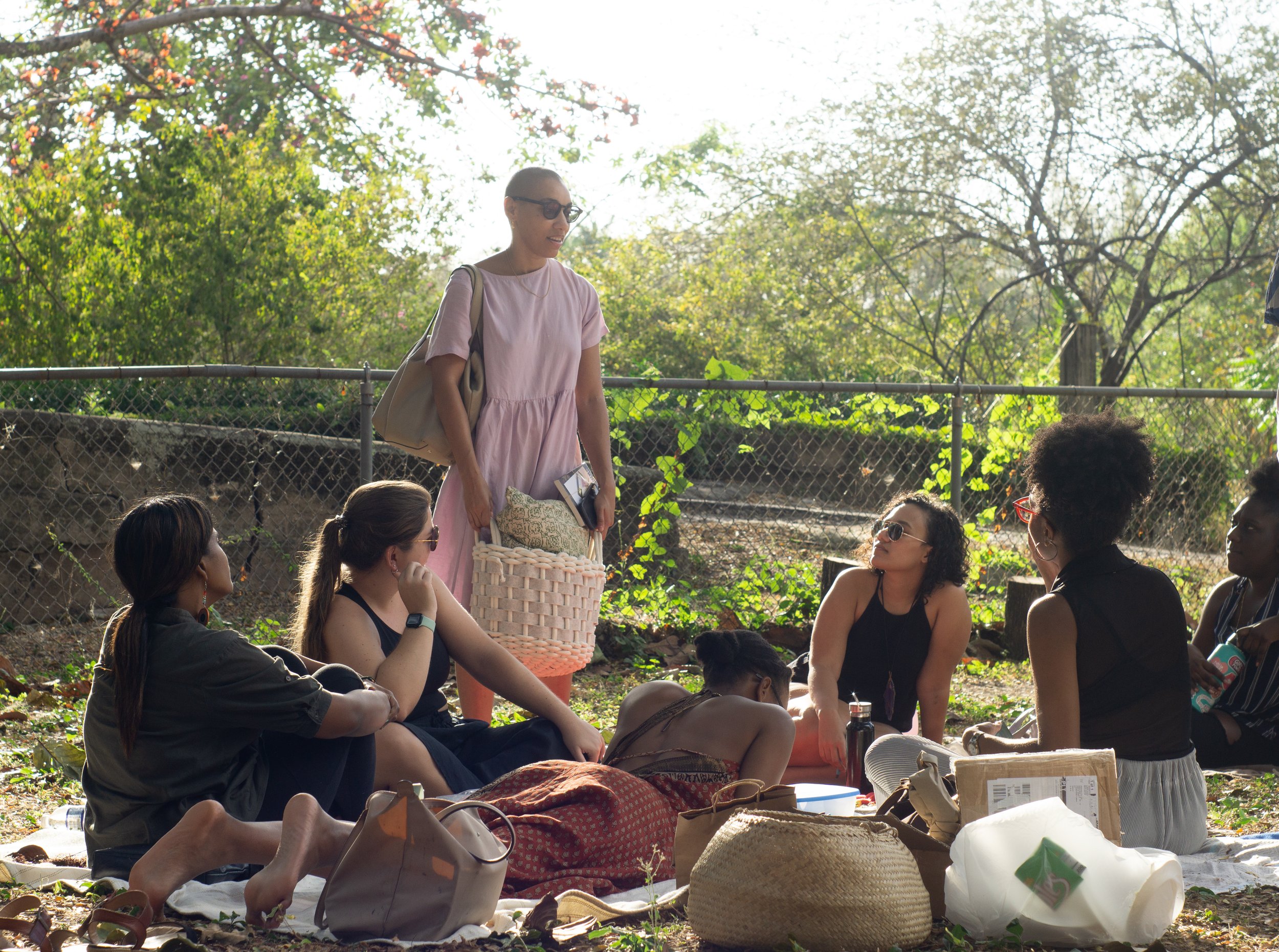
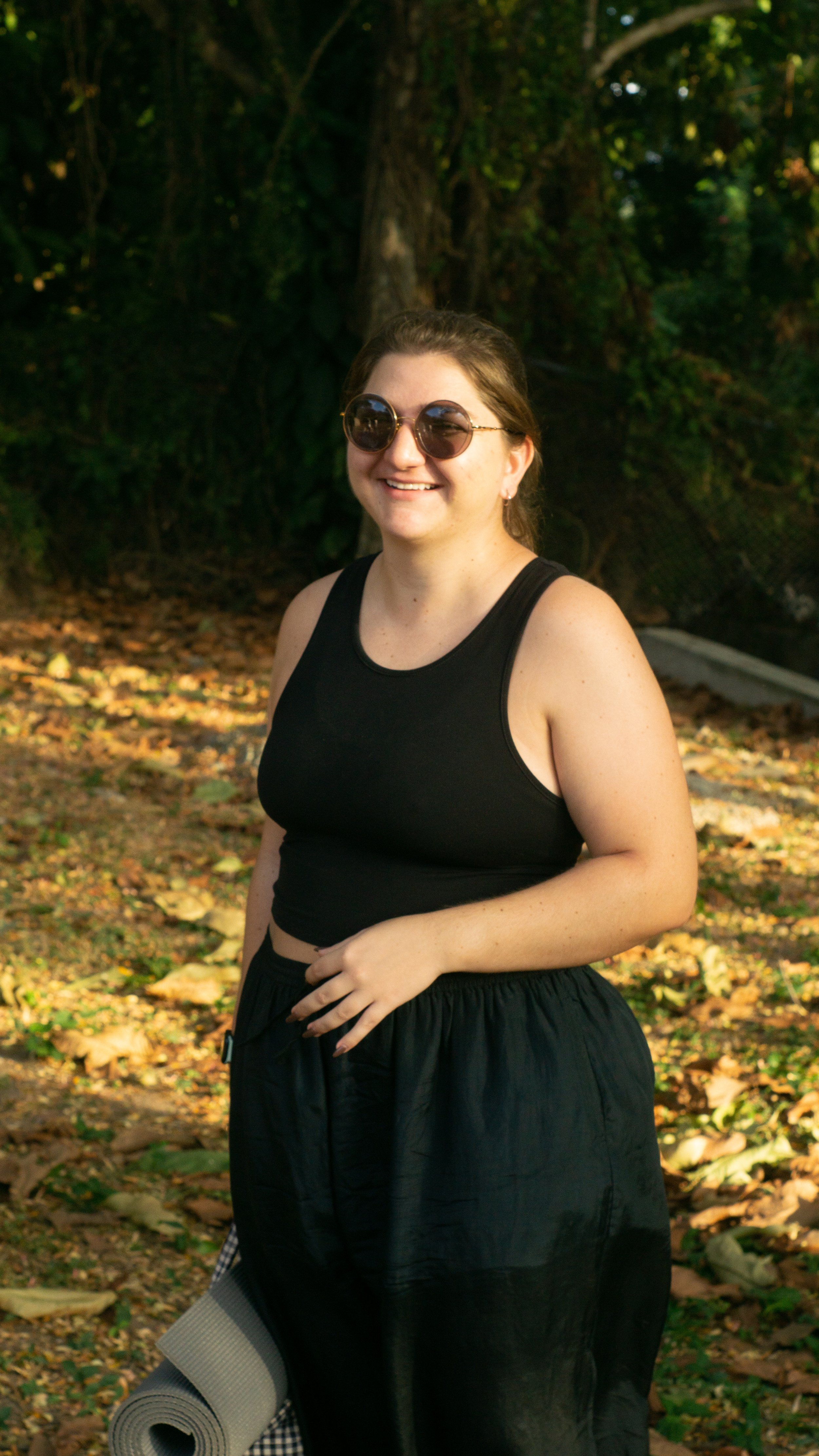
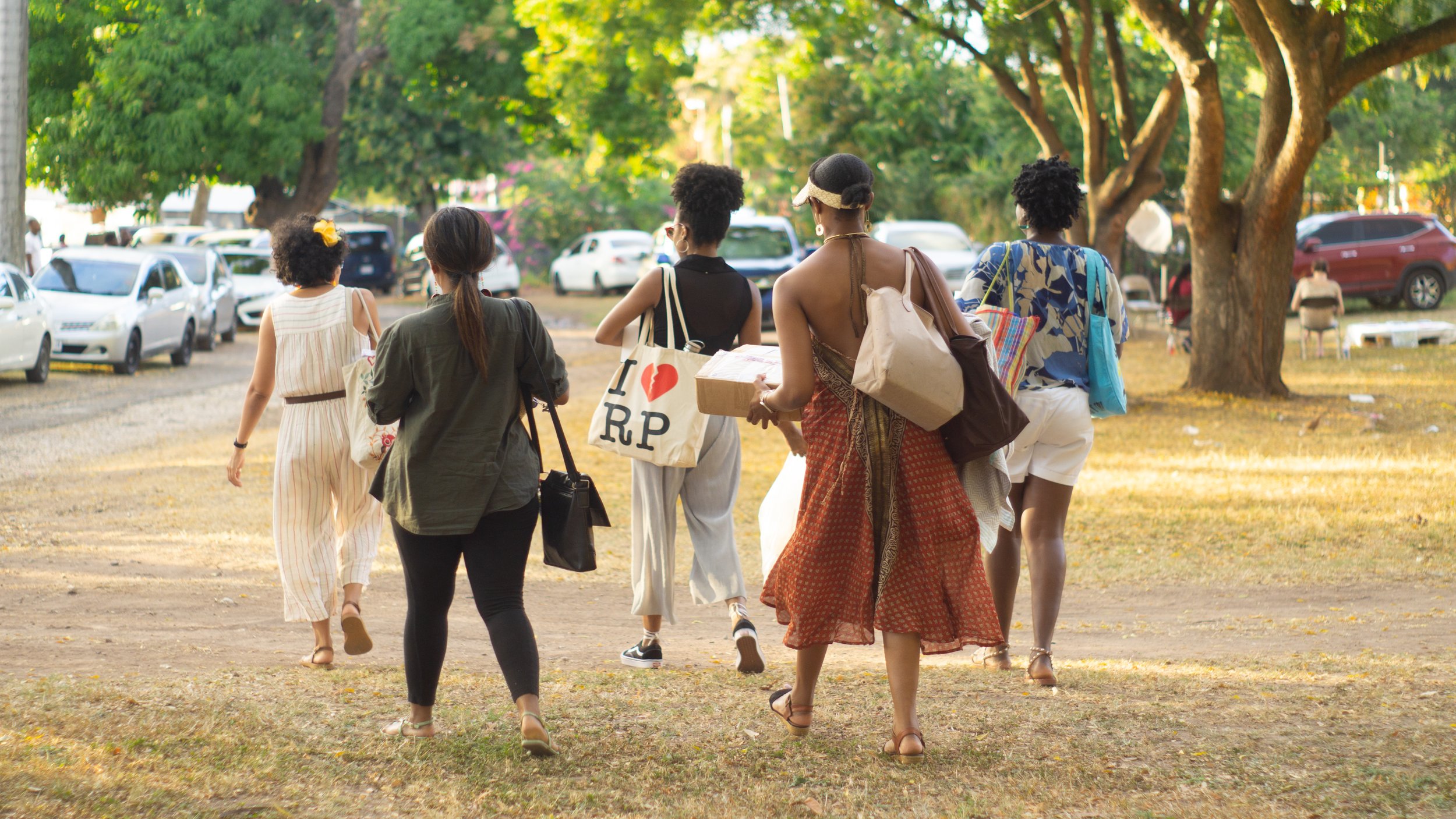
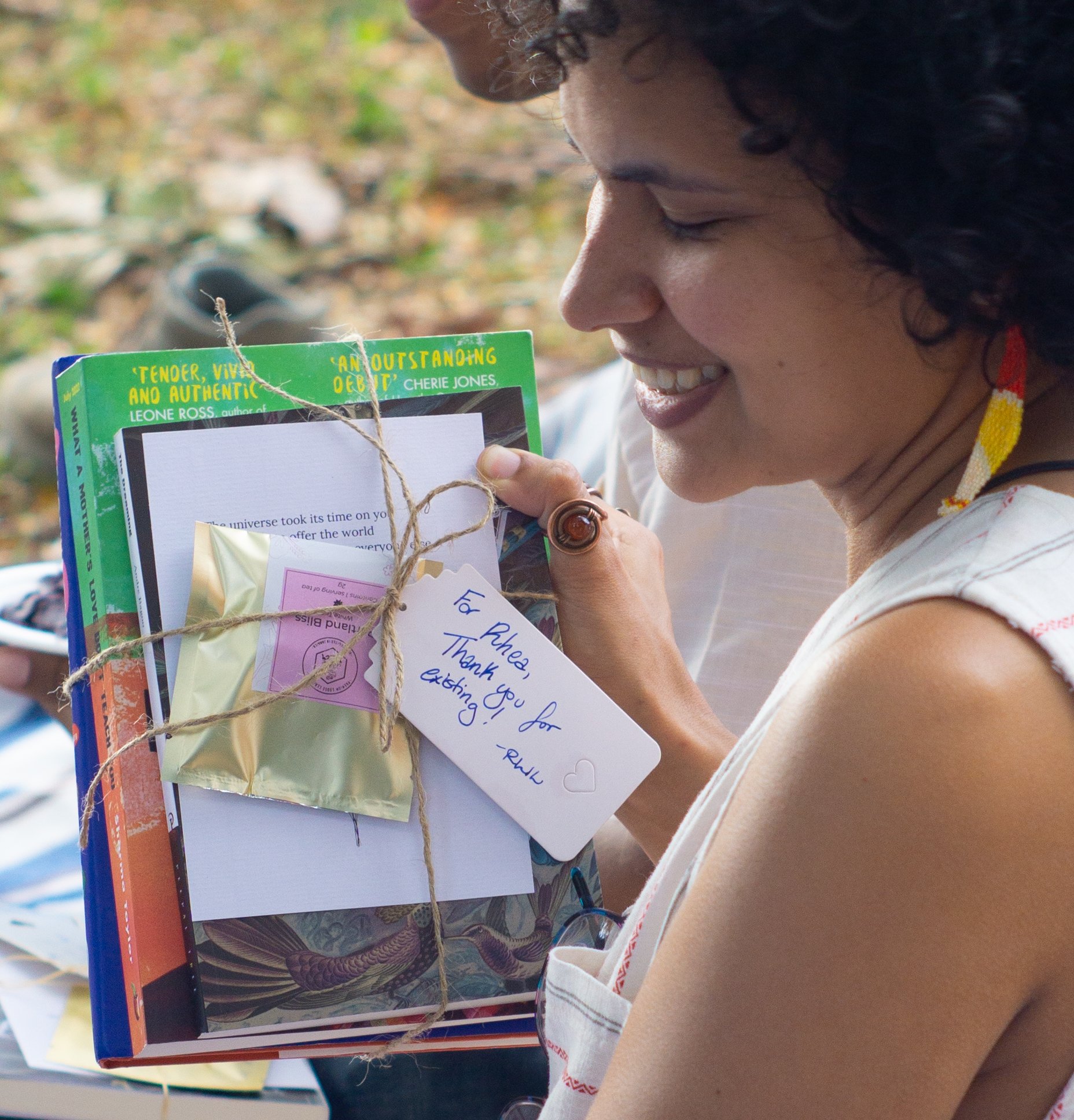
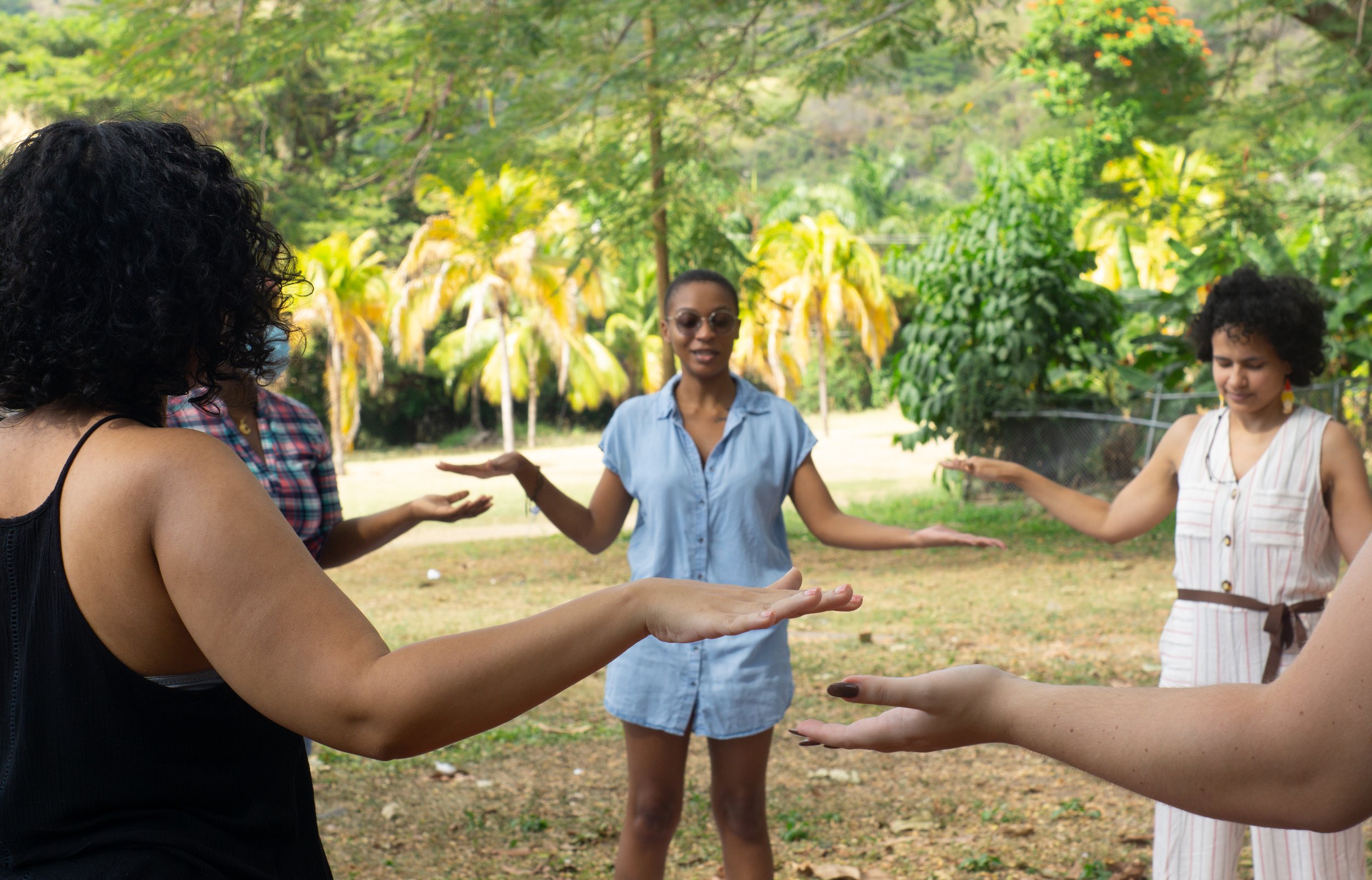
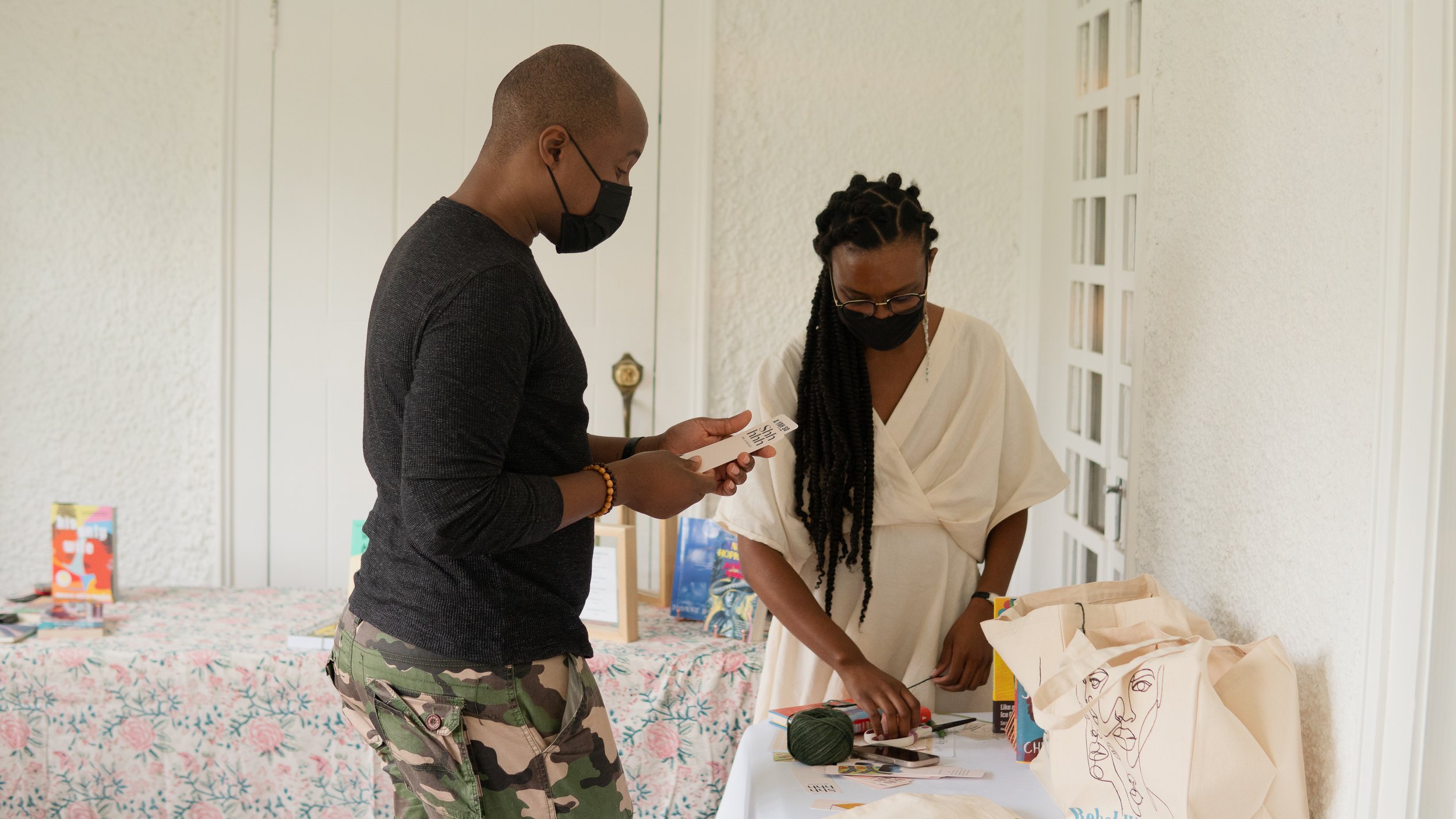
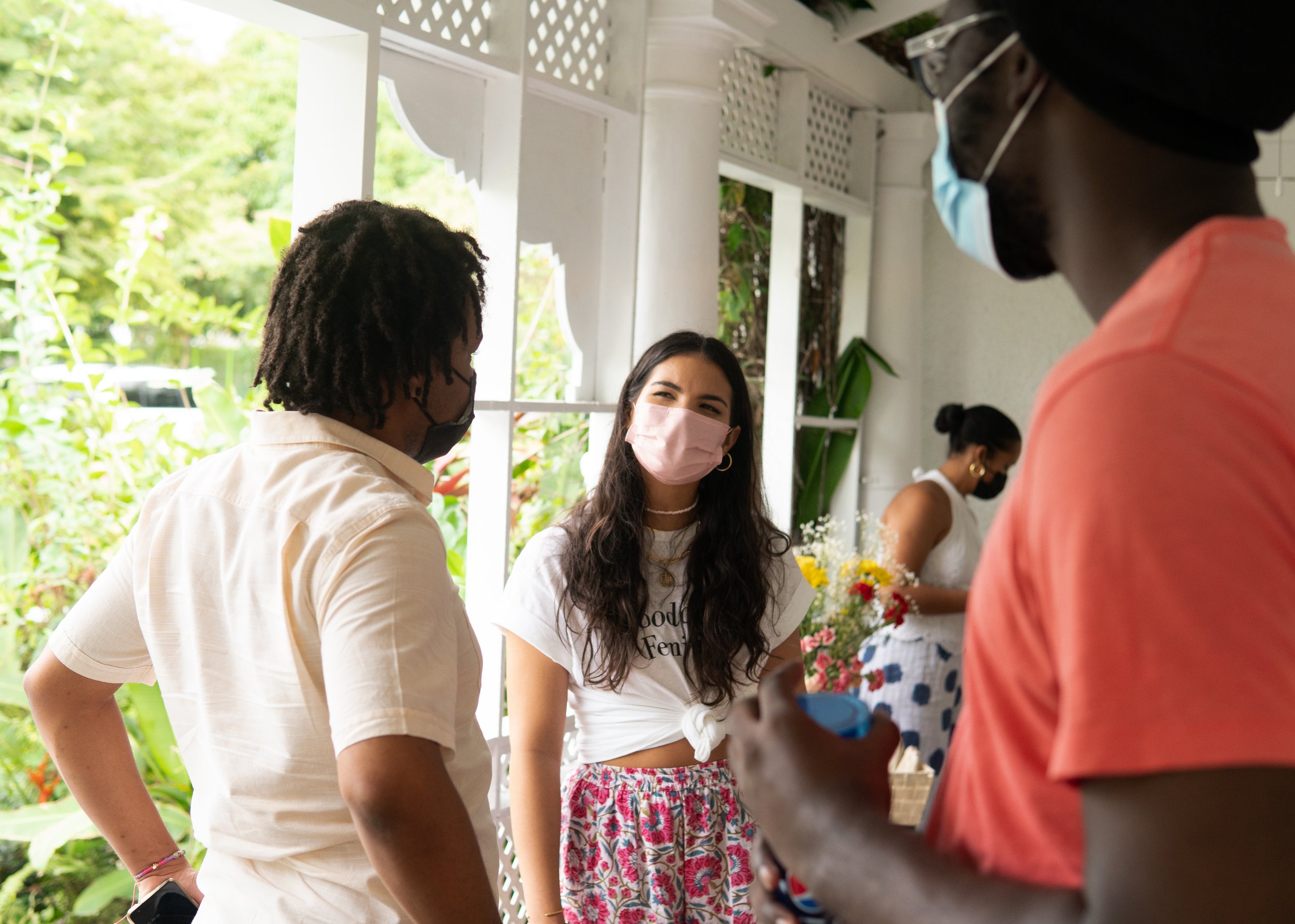
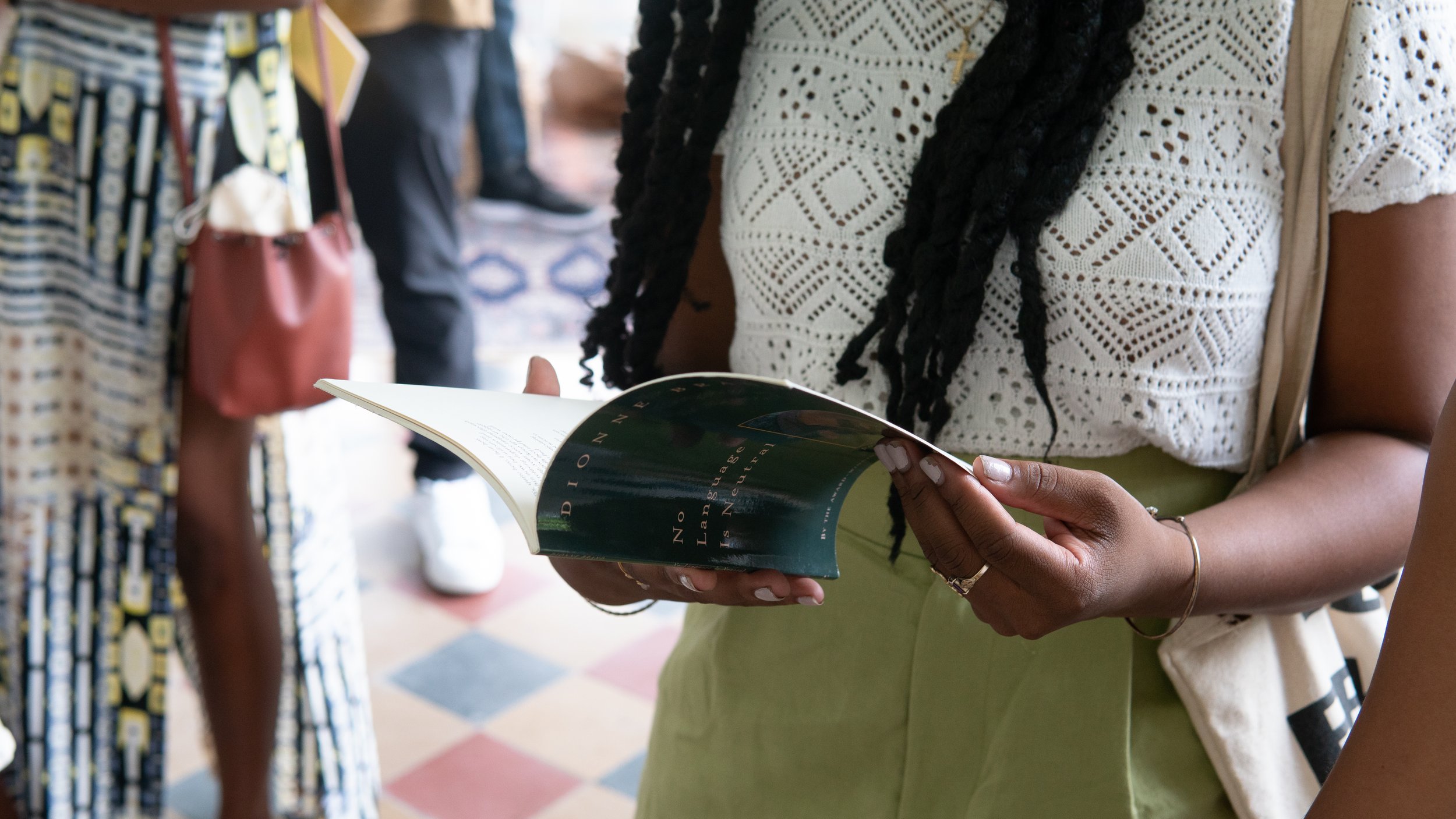
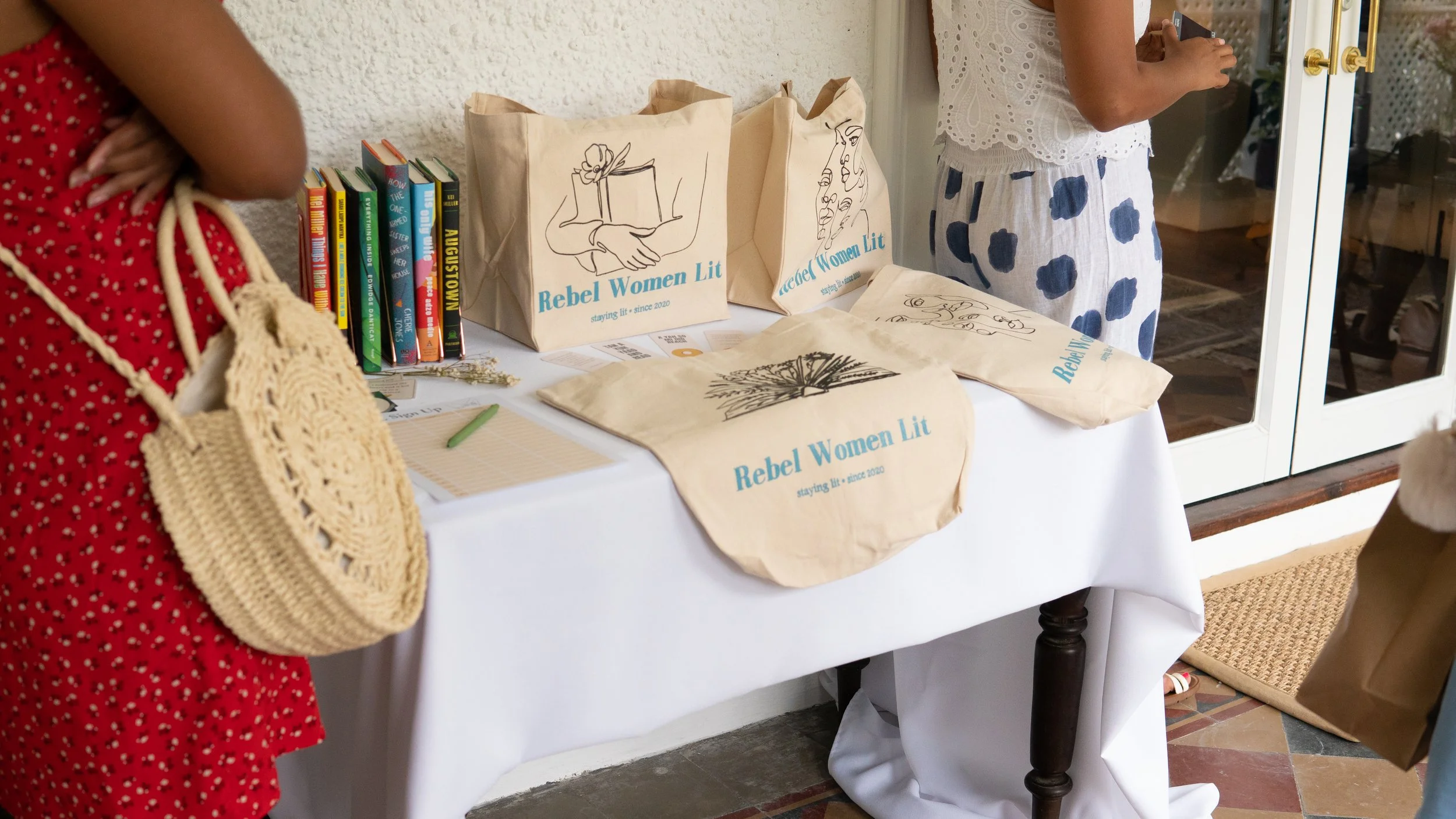
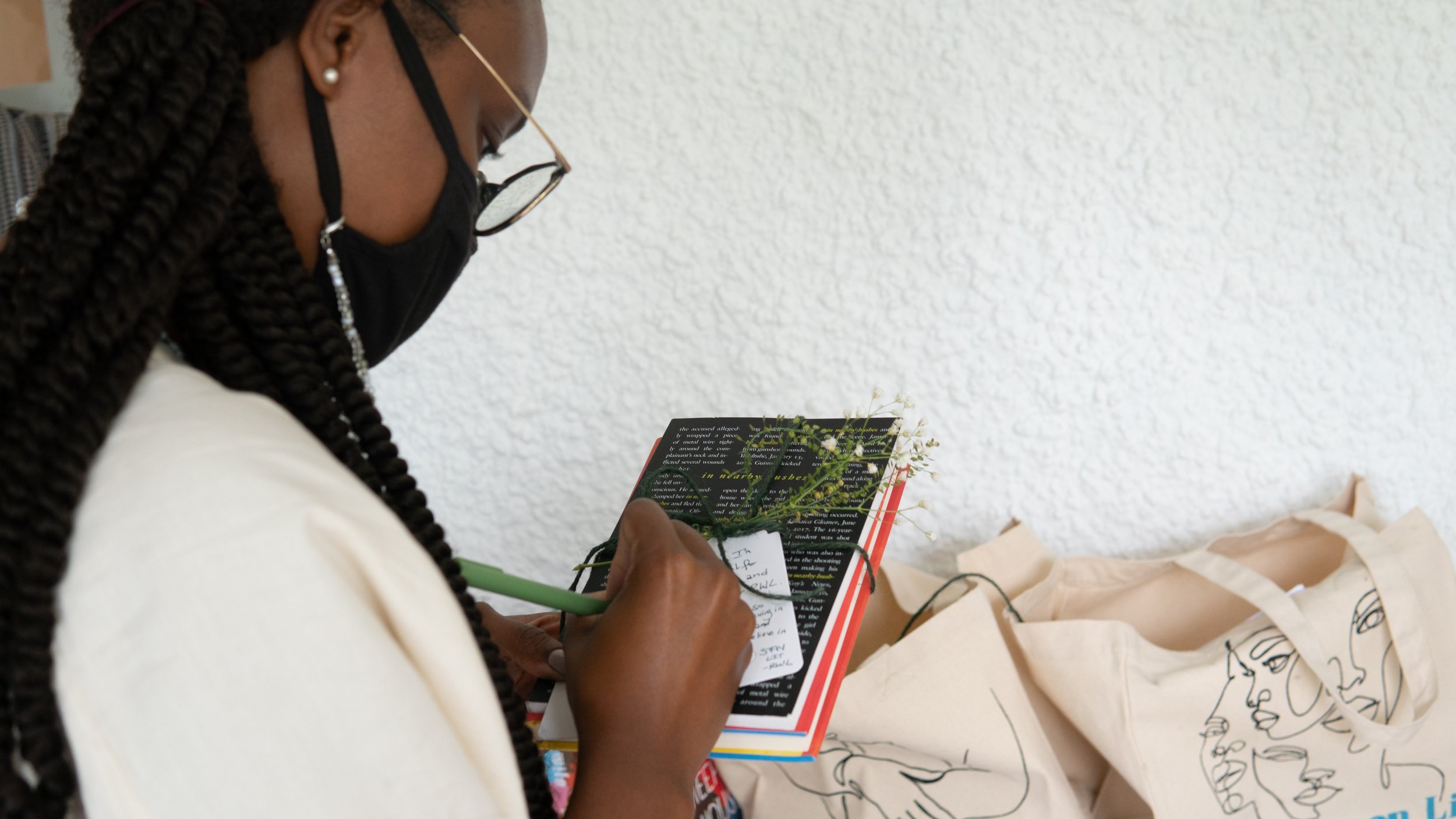
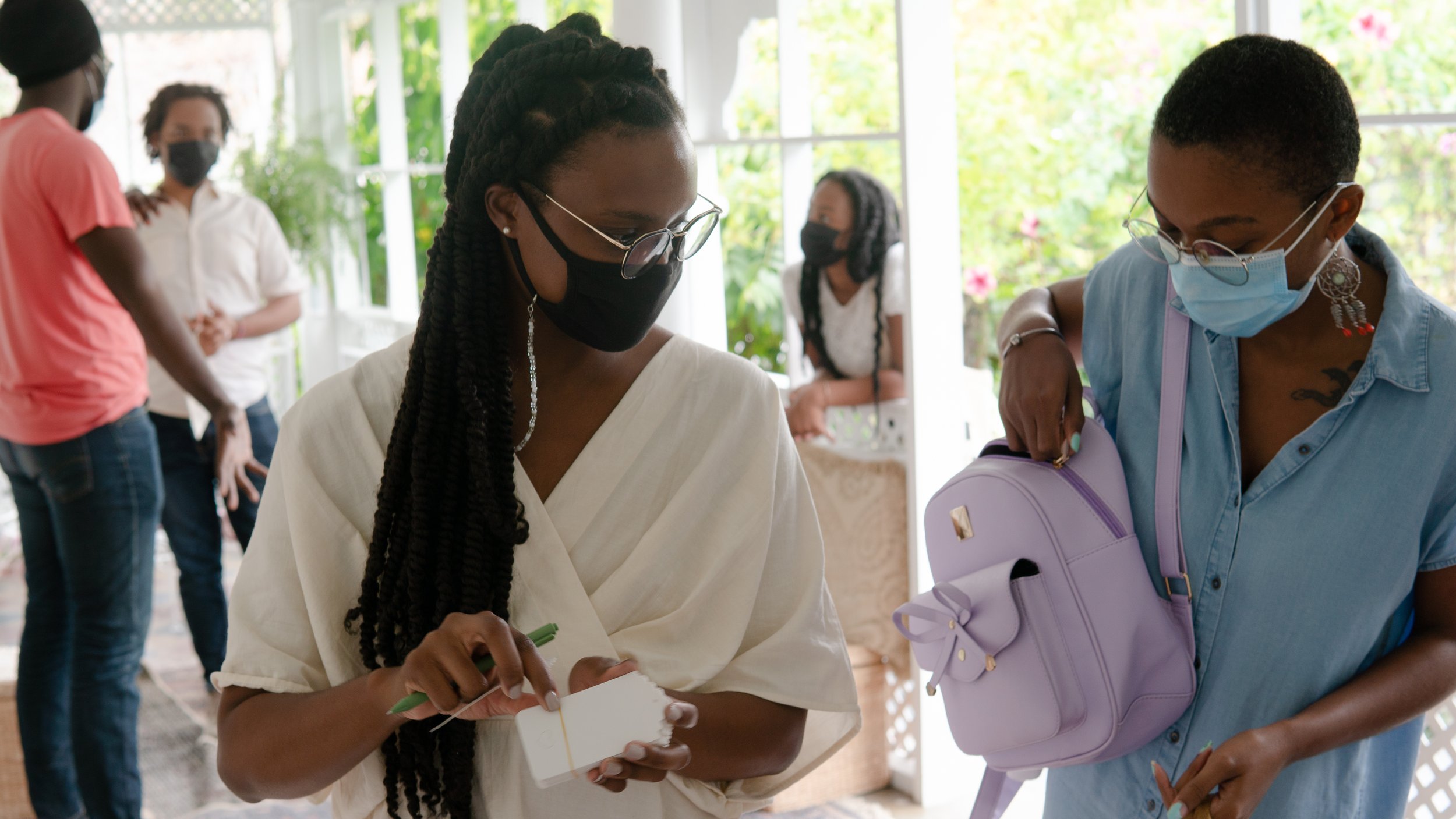
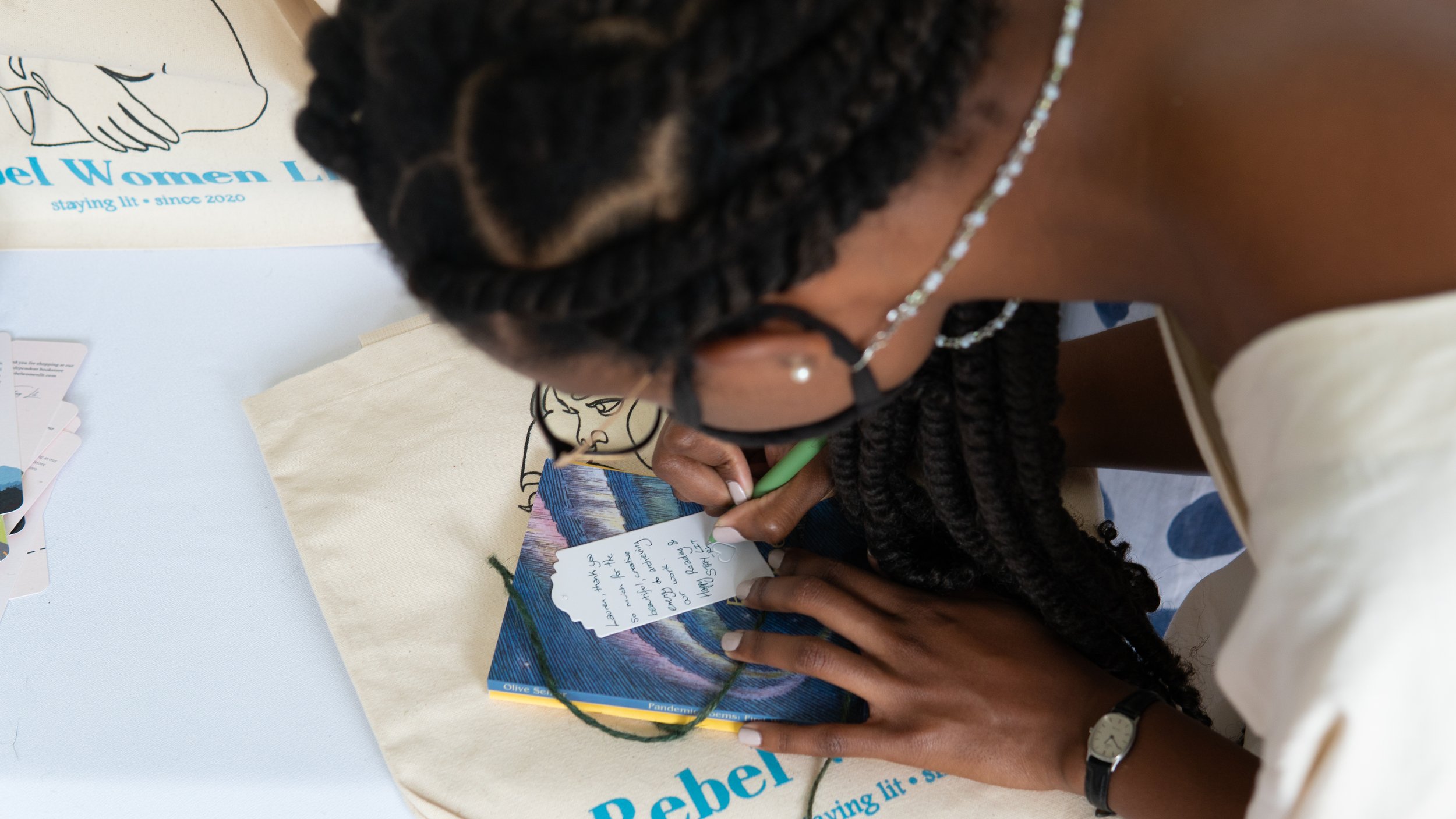
On February 5th, the members of our bibliotherapy community gathered at Poet’s Corner in Hope Gardens to celebrate Rebel Women Lit's anniversary and our journey towards self-love. It was a day of cake, cookies, cotton candy, and most importantly, an opportunity to reflect on the growth we’ve experienced on this journey.
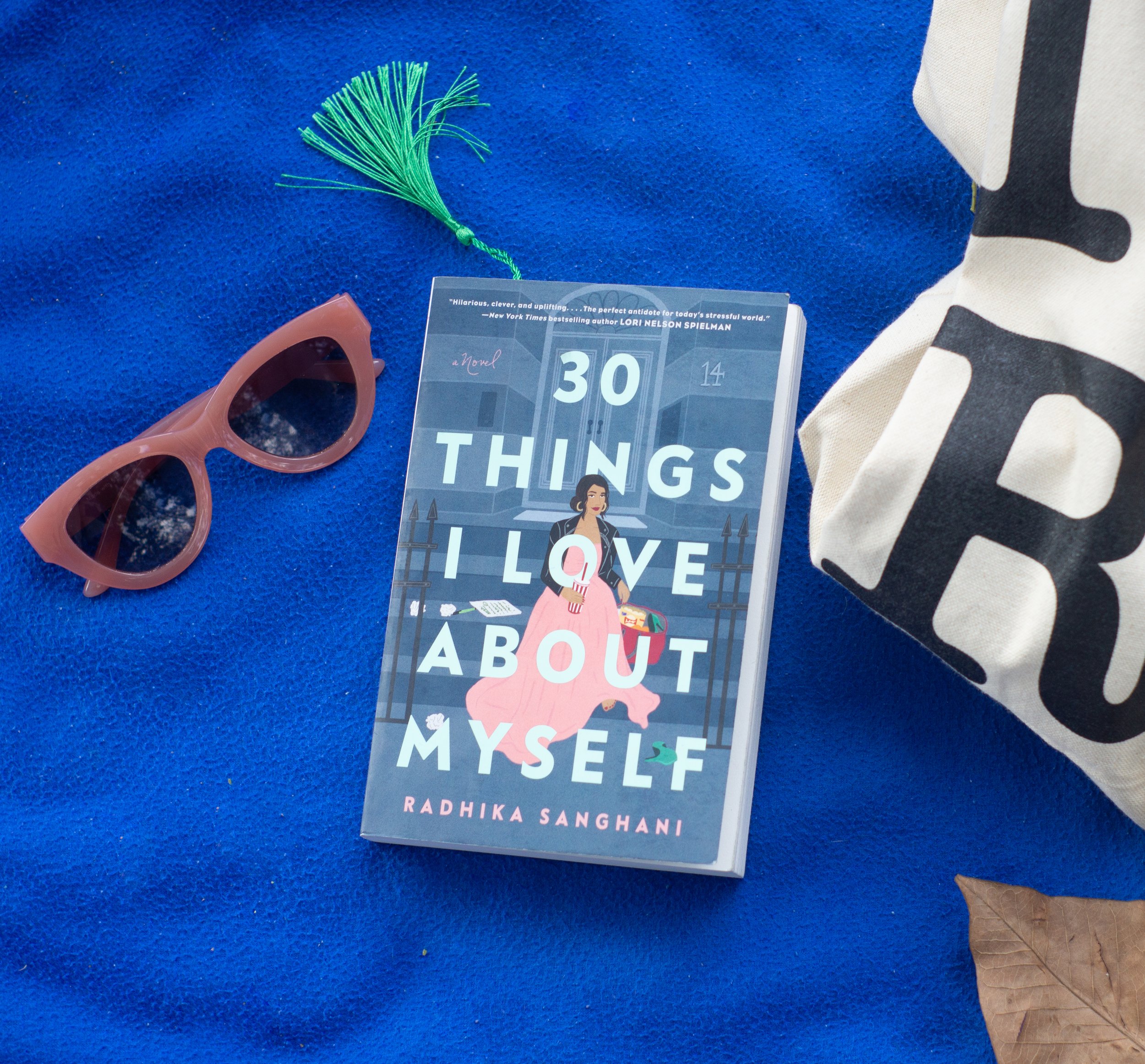
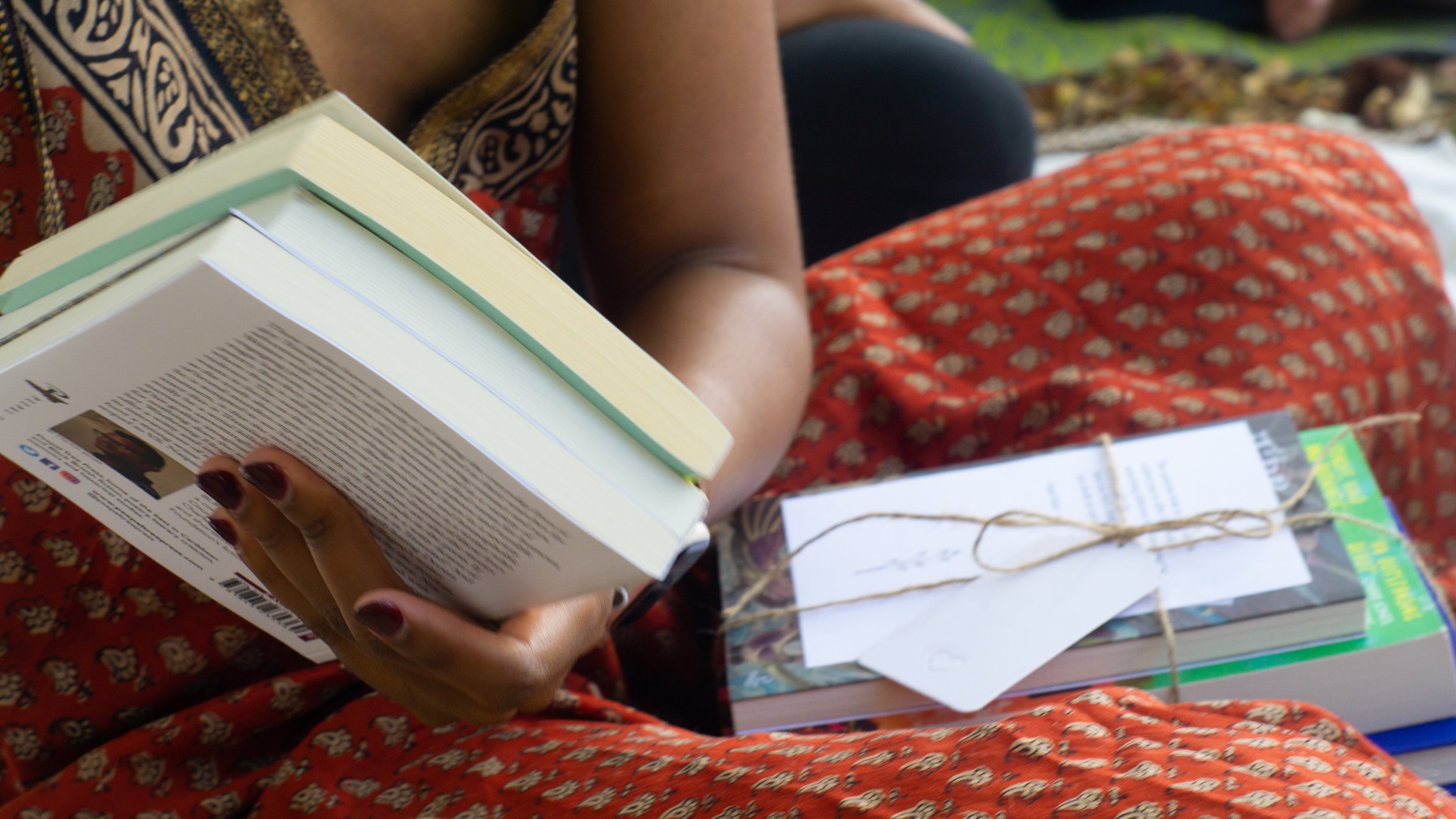
For the months of January and February, we read "30 Things I Love About Myself" by Radhika Sanghani. During our meetup, we took inspiration from the book and started our own lists of 30 things we loved about ourselves. It was a wonderful experience to witness some members surpassing 30, while others had only a few. Regardless of the number, it was evident that the journey towards self-love is a unique and personal one.
As we continue our journey, we look forward to meeting for our online book club on March 5th on Google Meet. You can RSVP to attend our upcoming book club. We will be reading Nina's story, and it's an opportunity for us to reflect on our own experiences of self-love and our place in the universe.
Our bibliotherapy community is a space that allows us to grow in self-love and self-awareness. It's a journey we embark on together and with each passing day, we become more confident in our abilities and more accepting of ourselves.





RWL Verandah Chat At Haveli Last Sundays
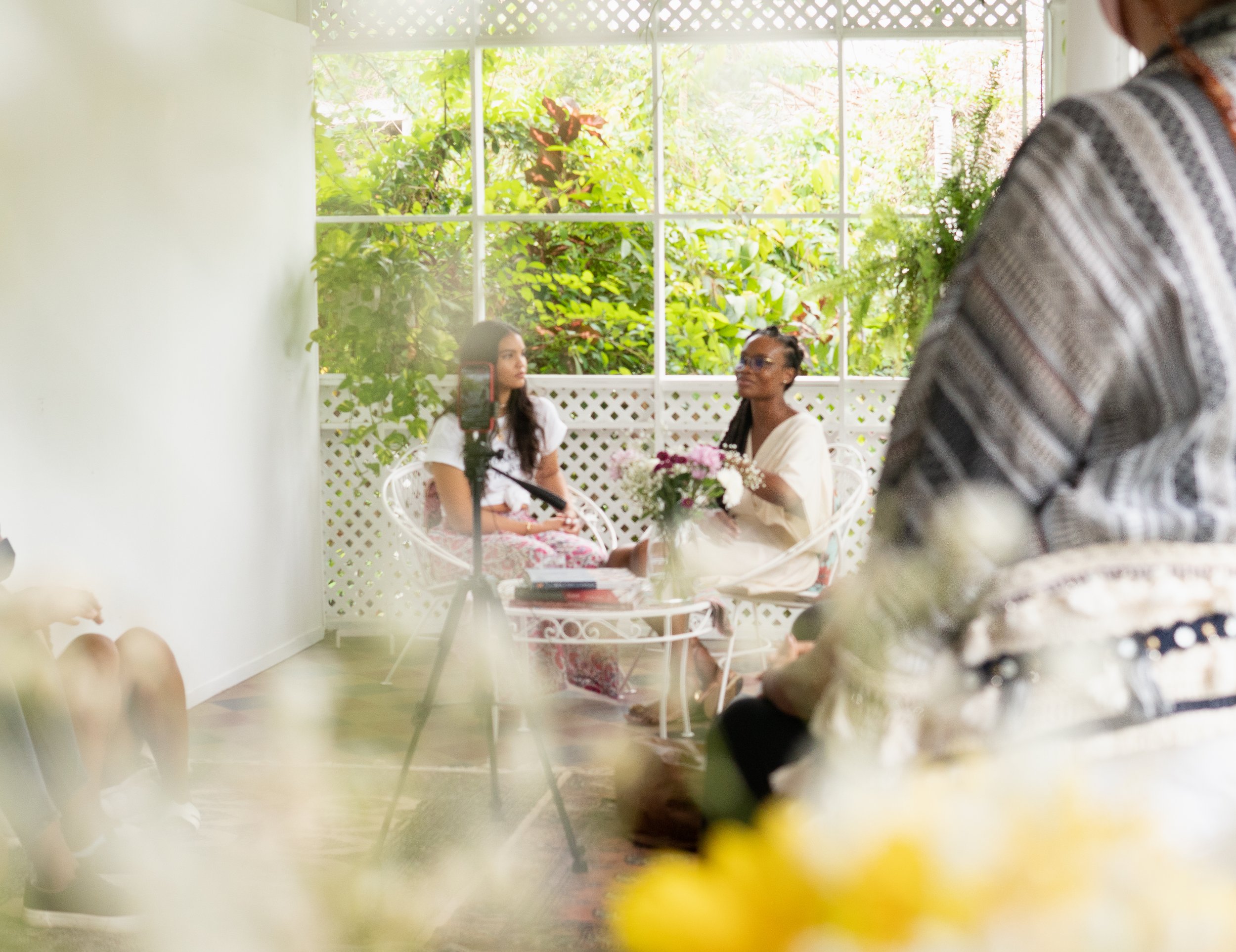
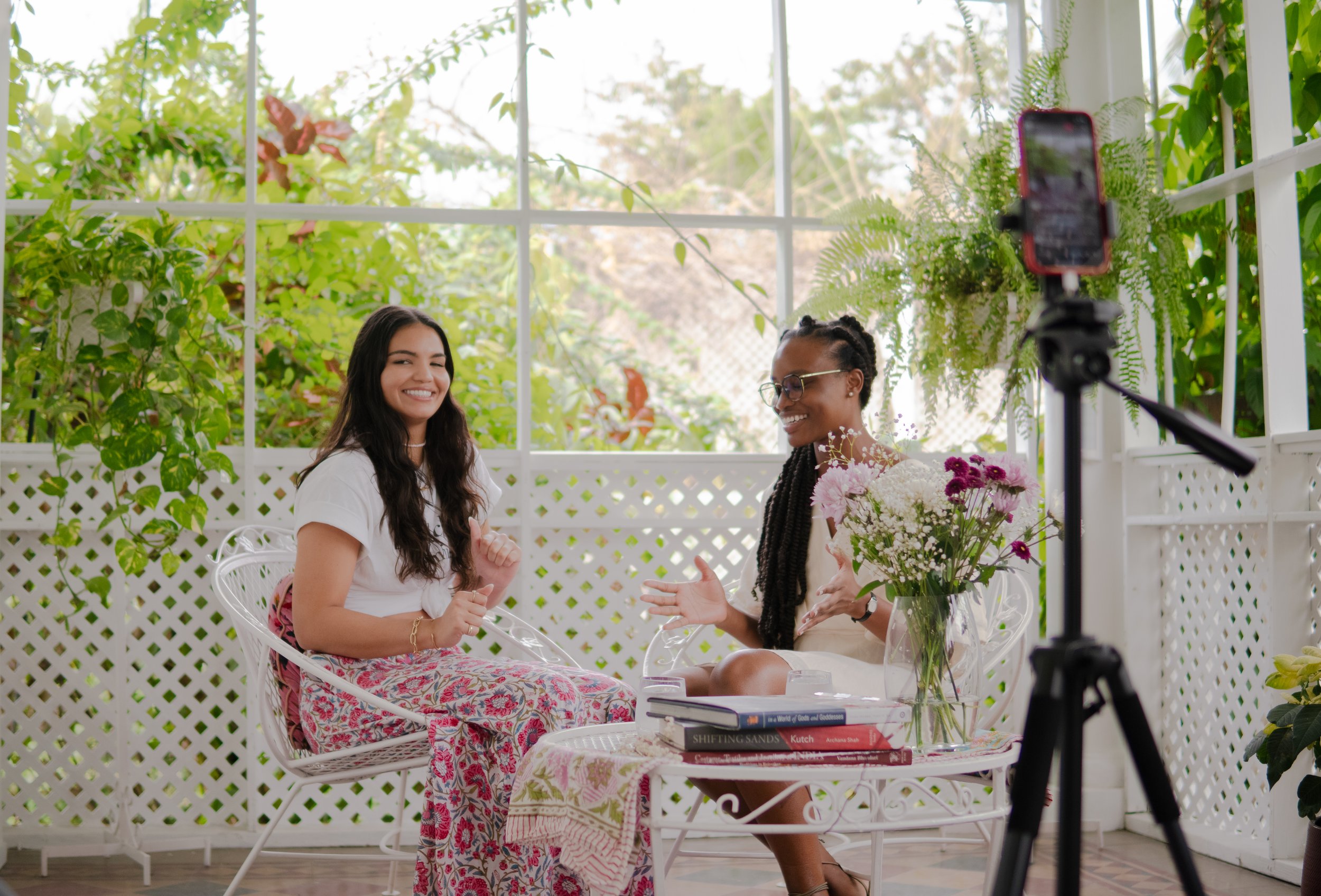
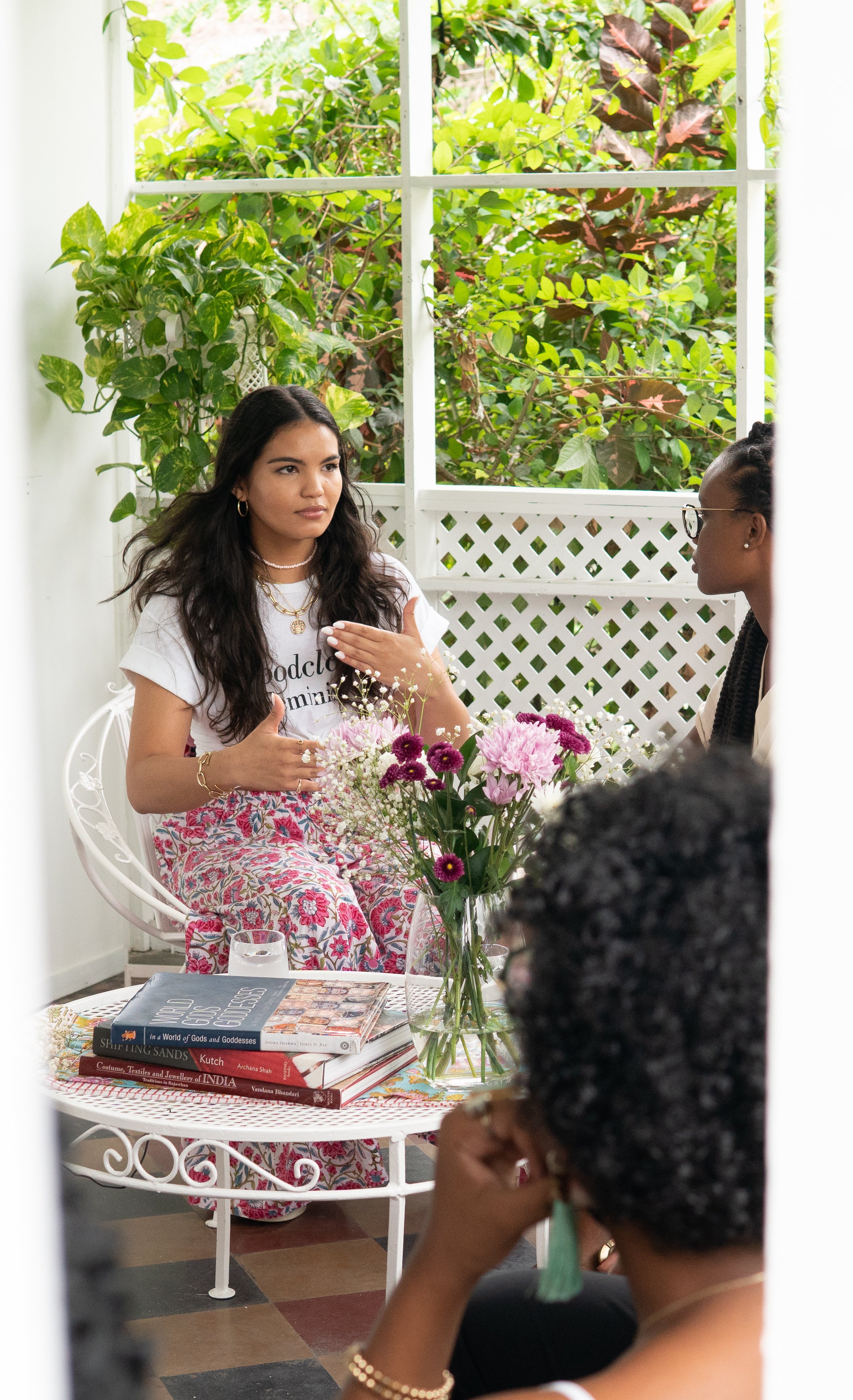
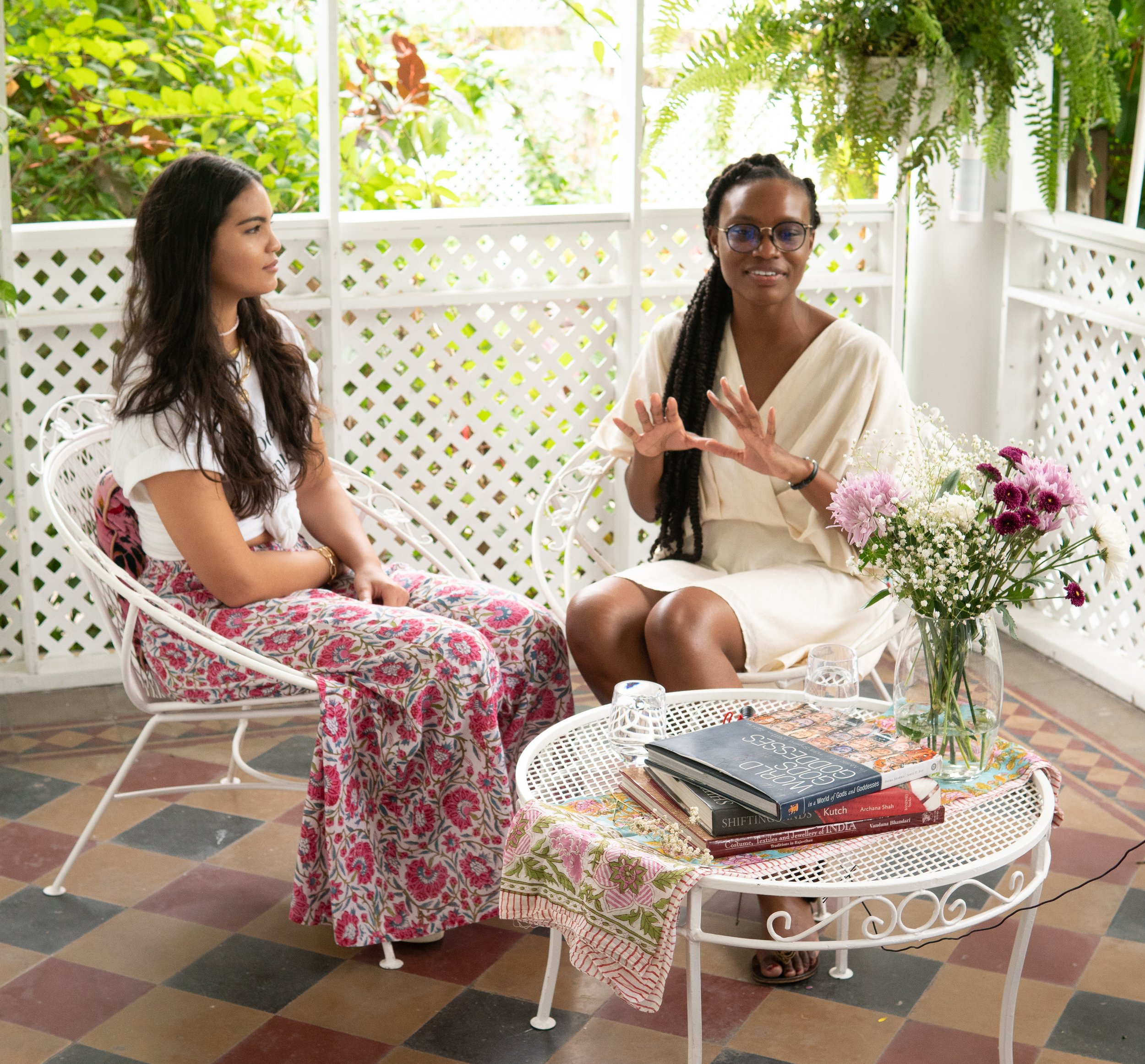
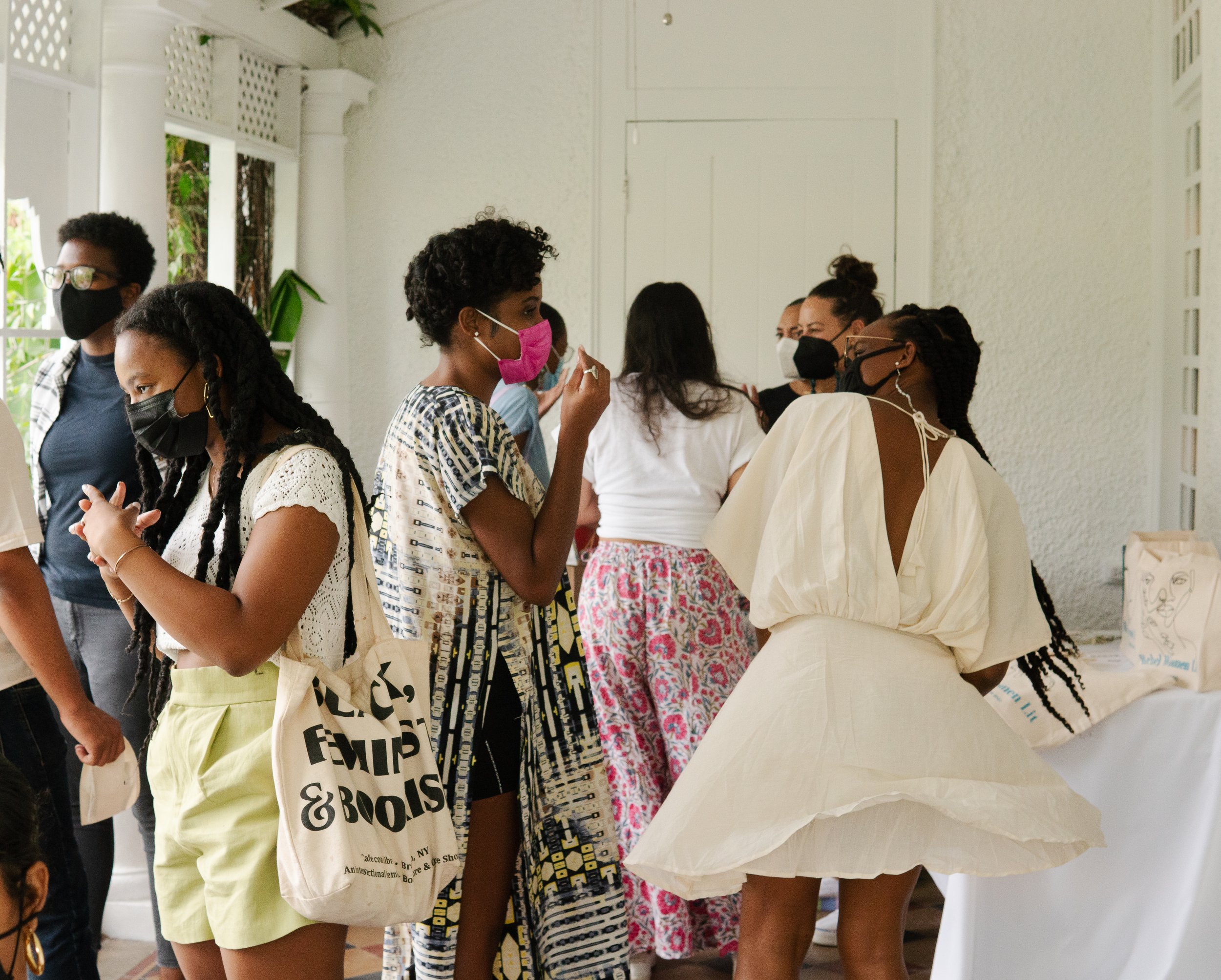
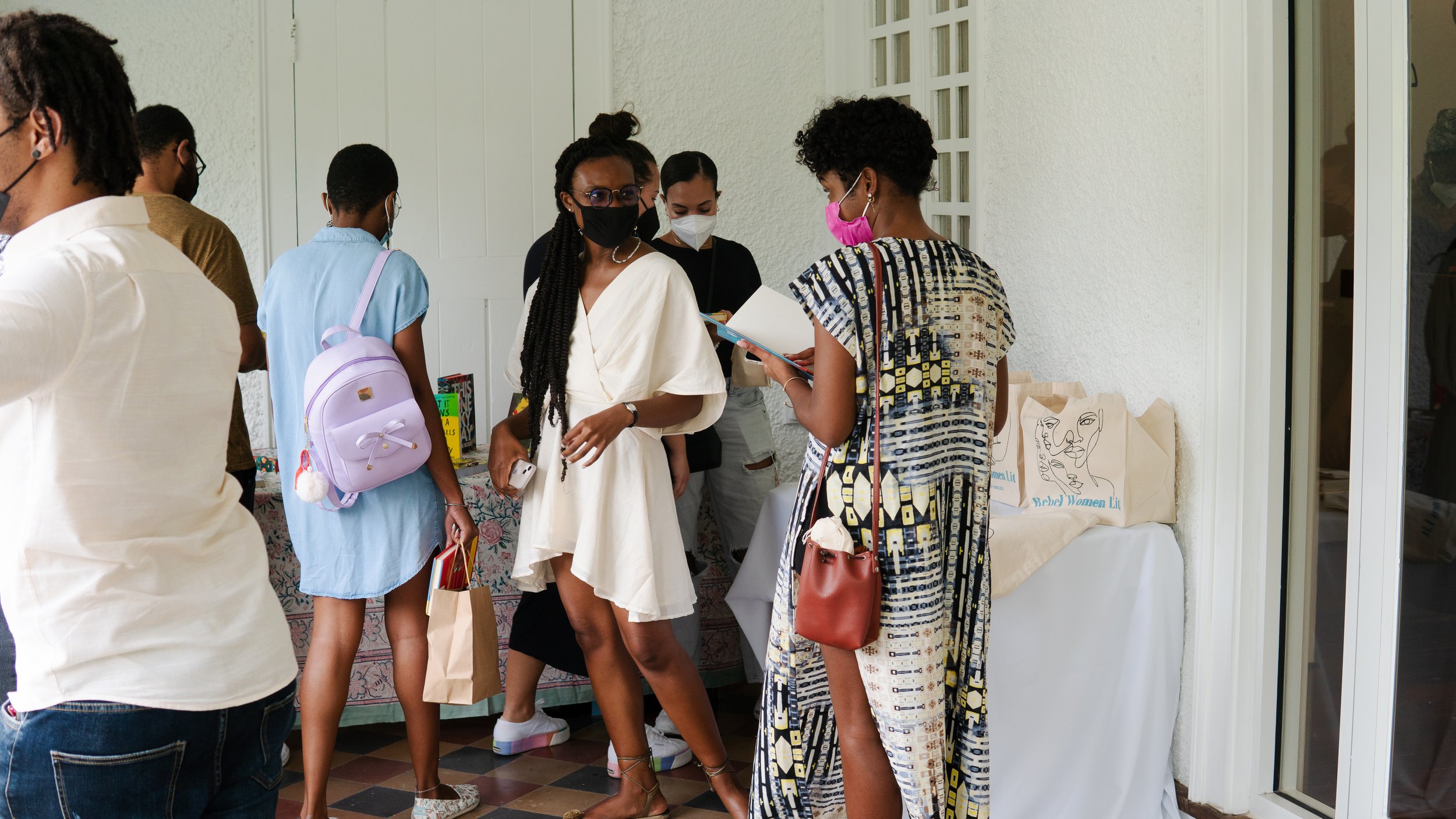
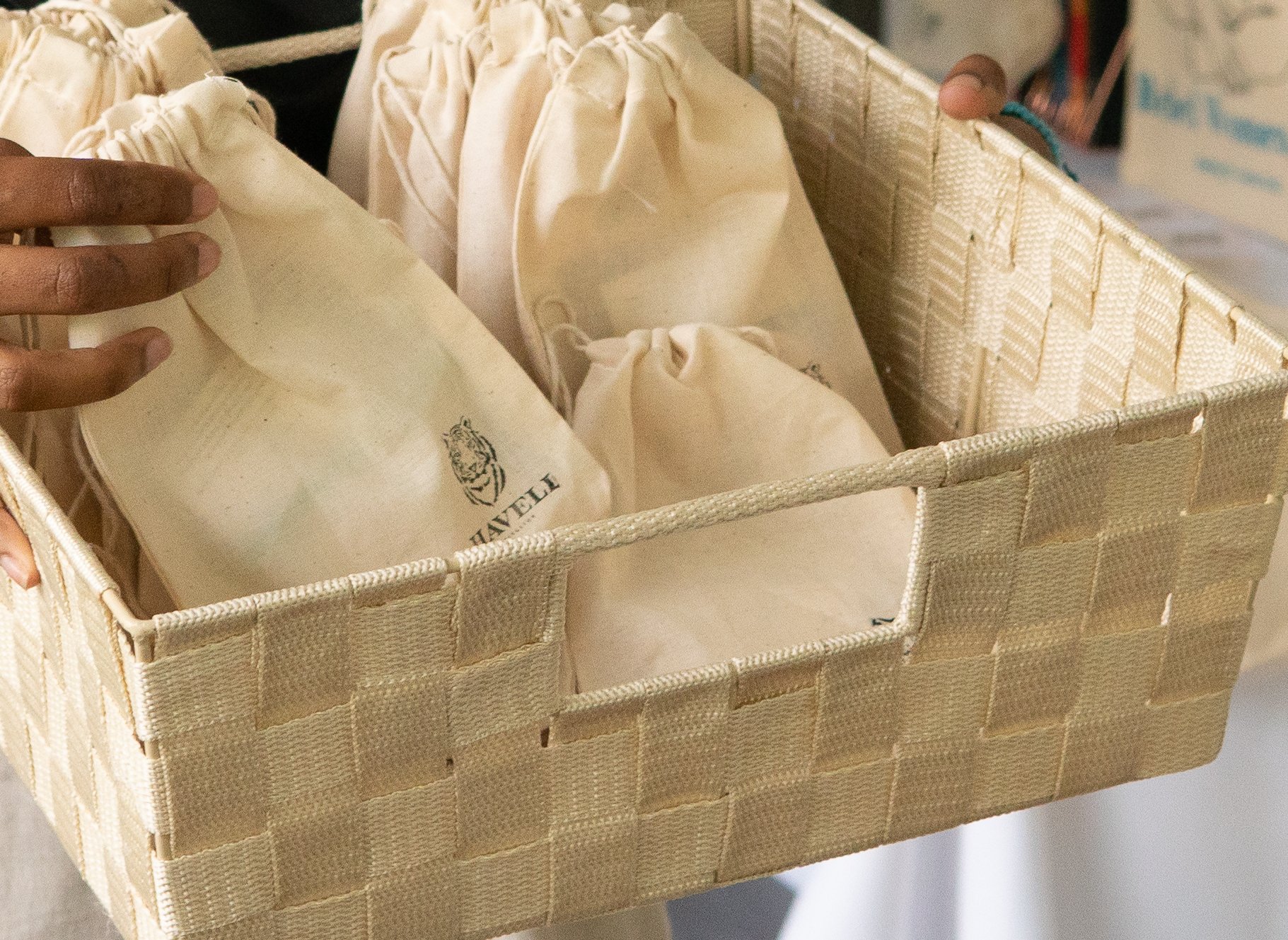
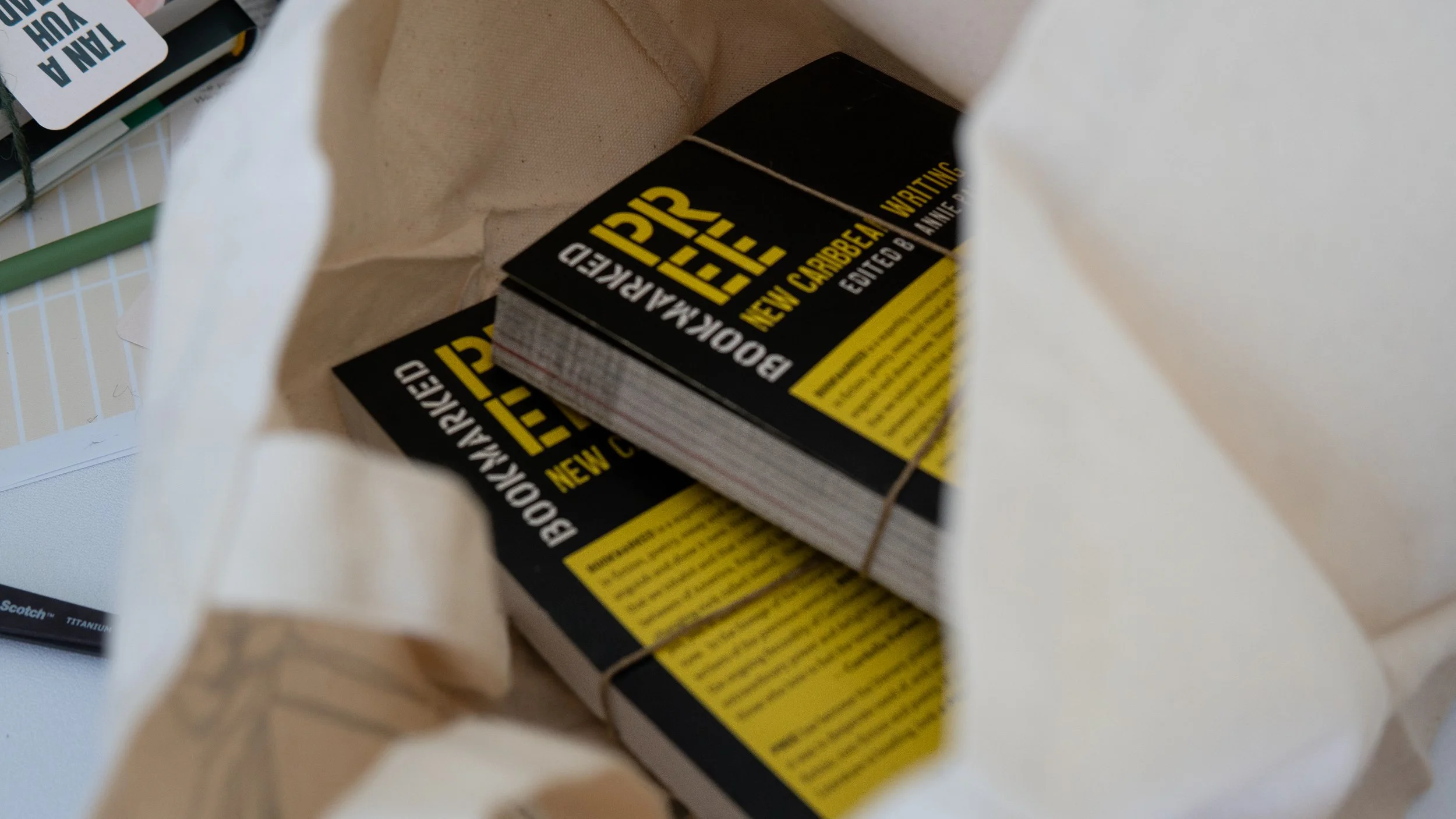
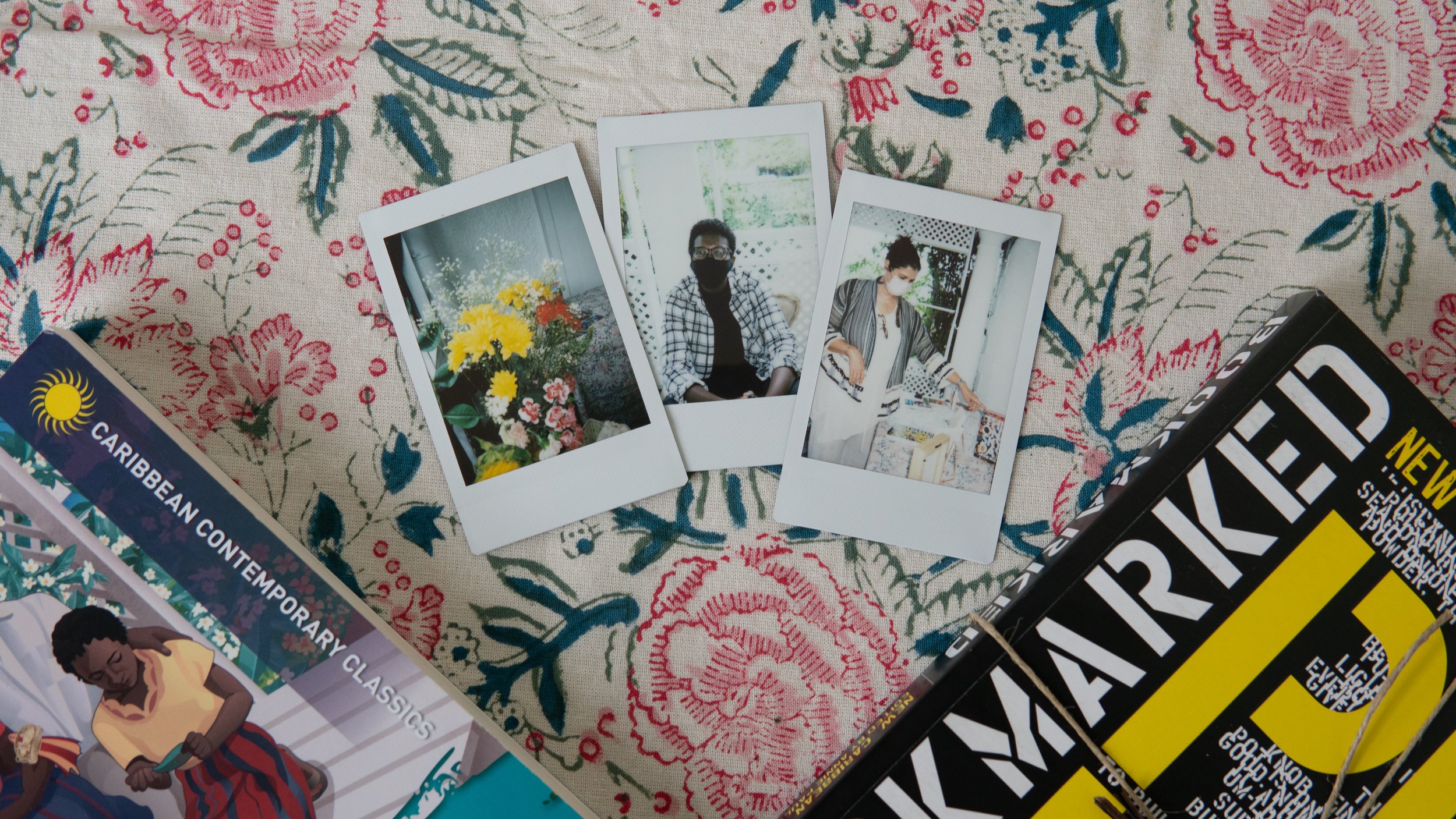
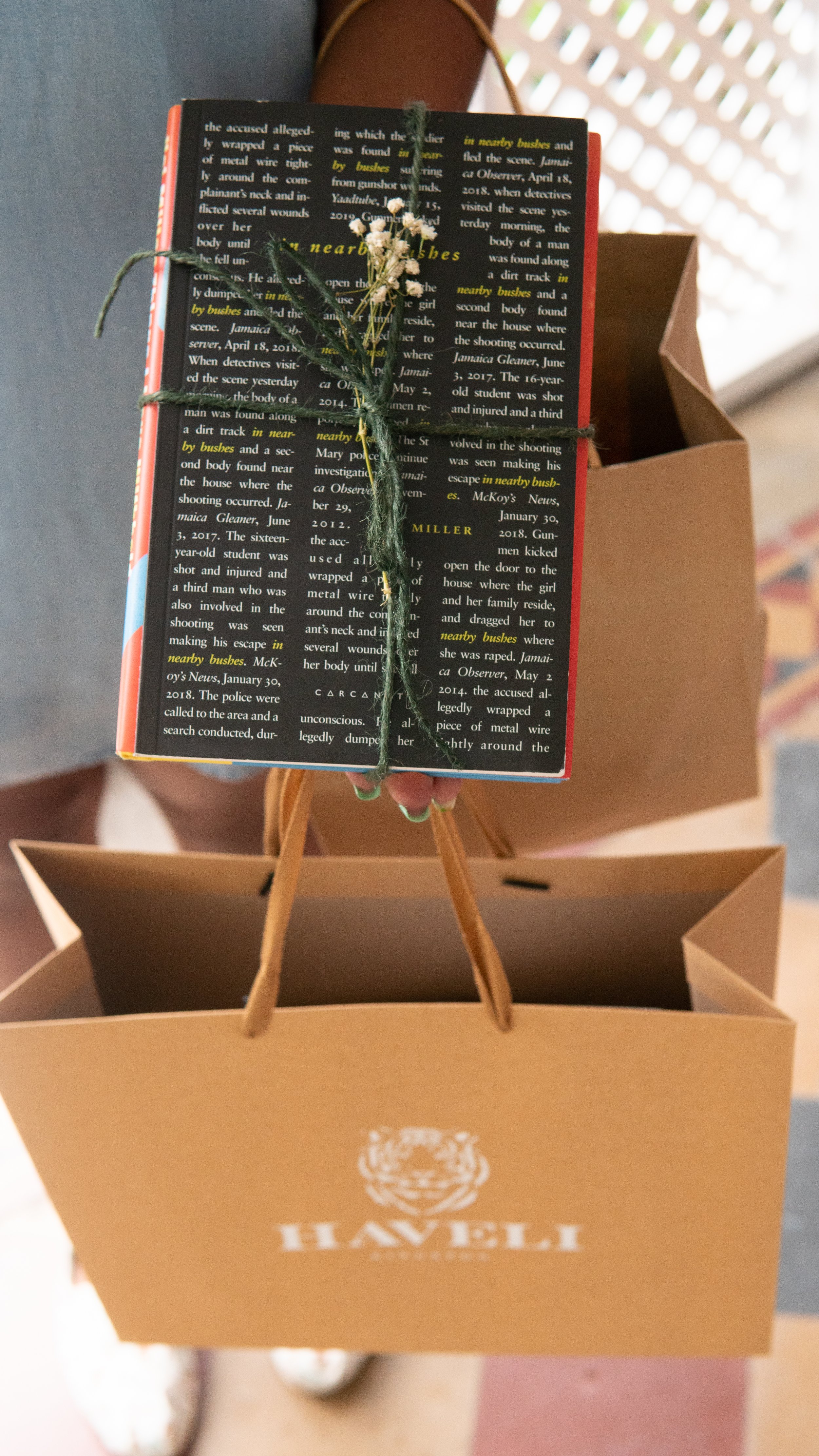
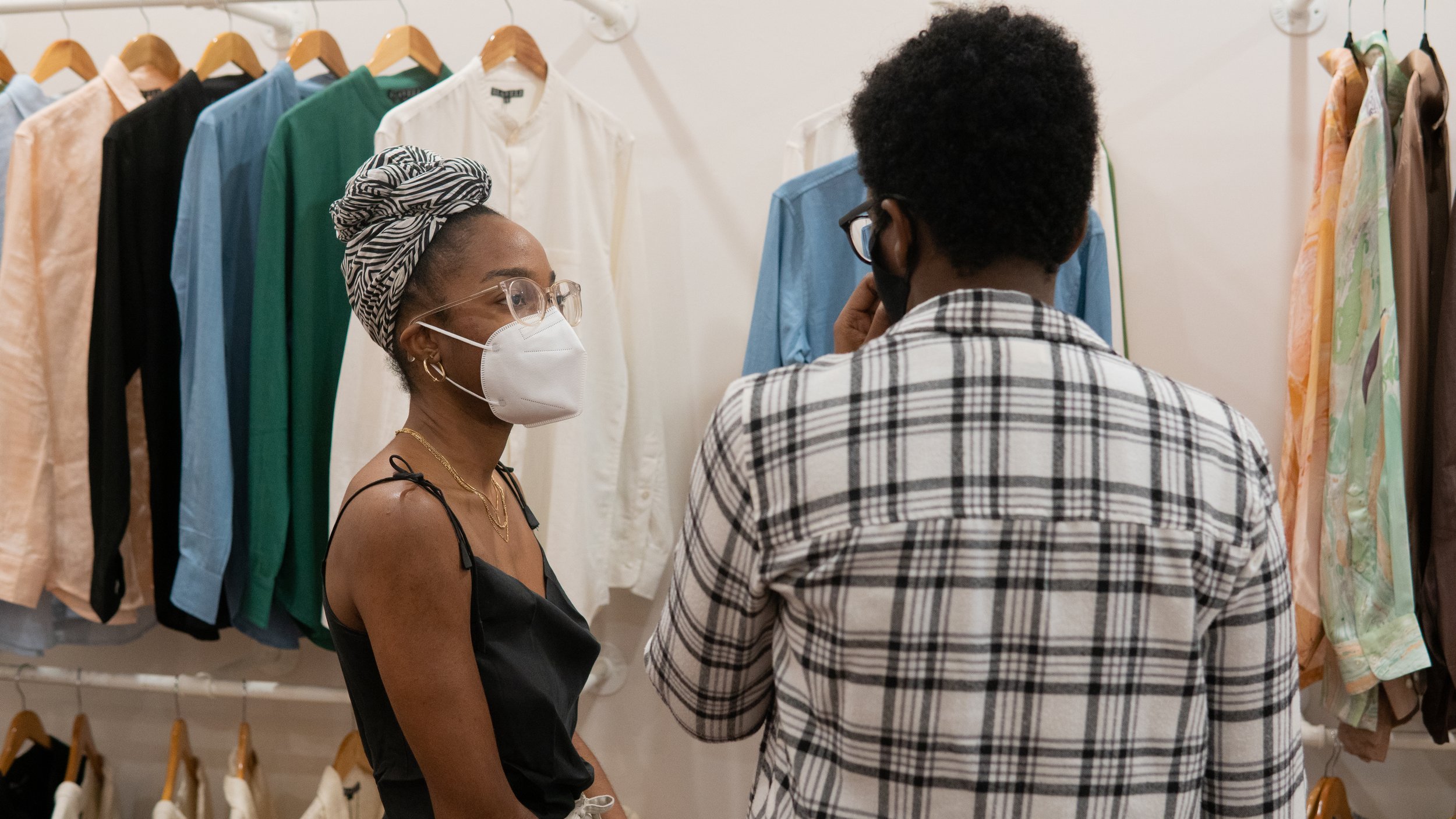
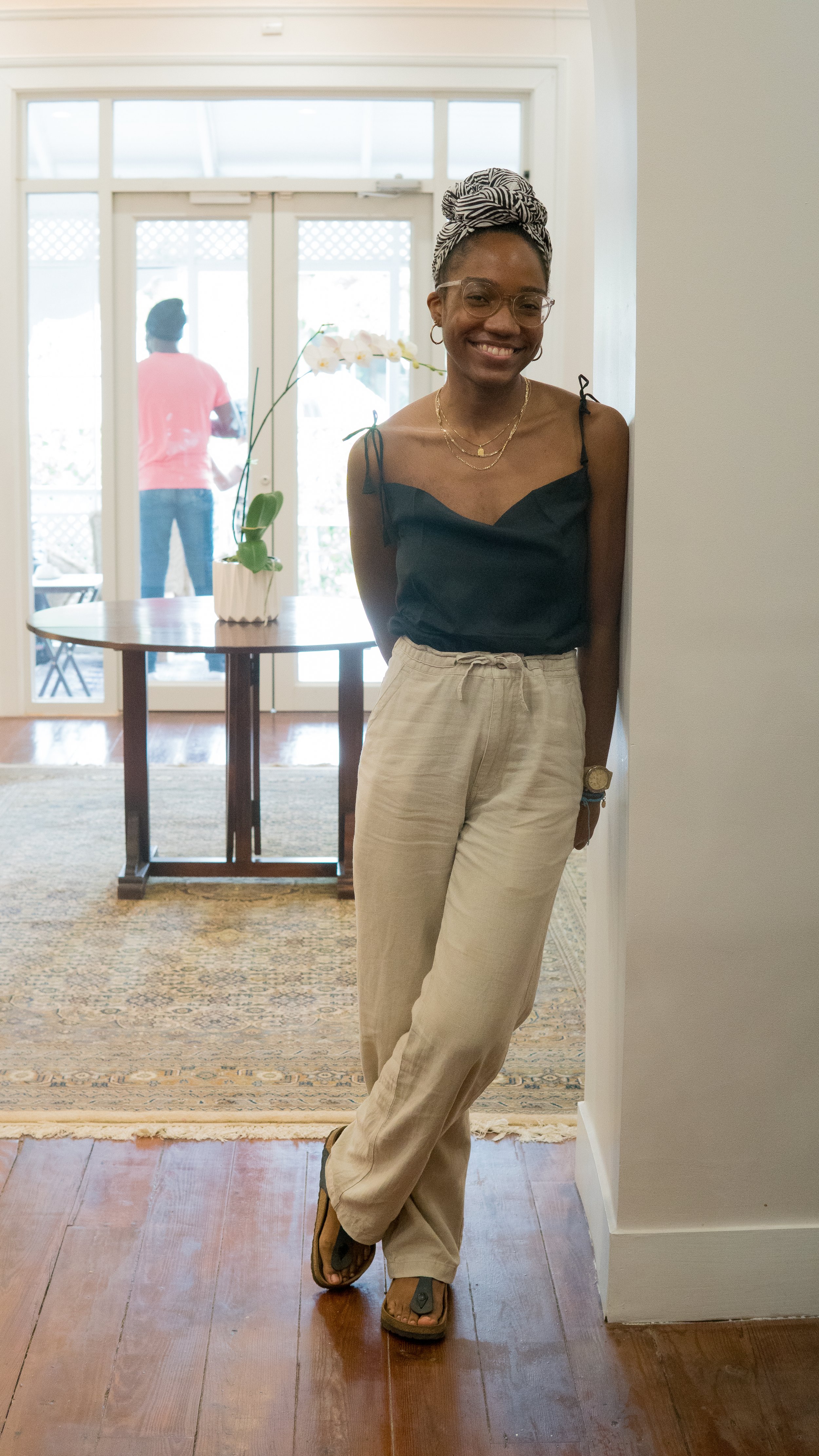
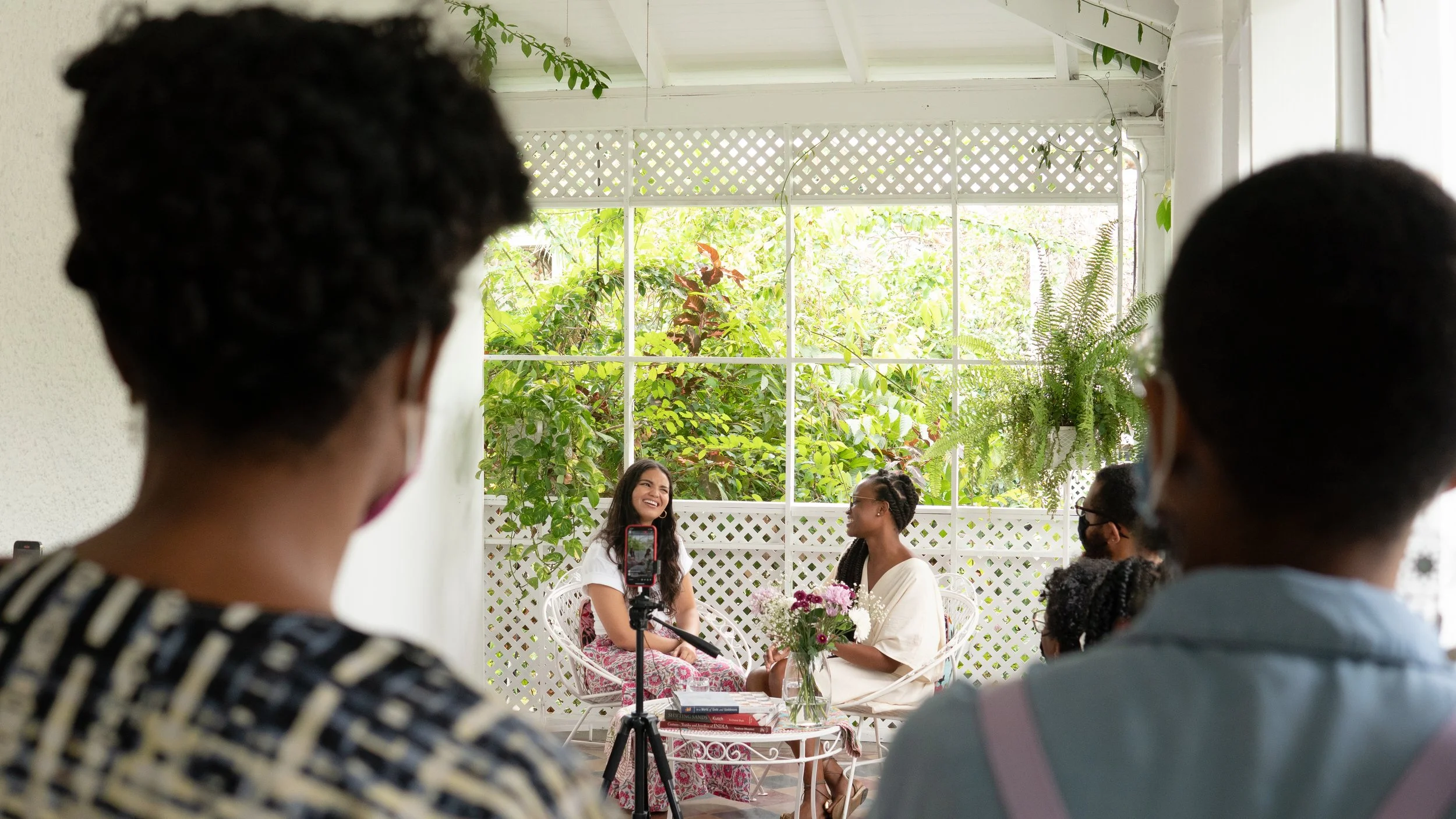
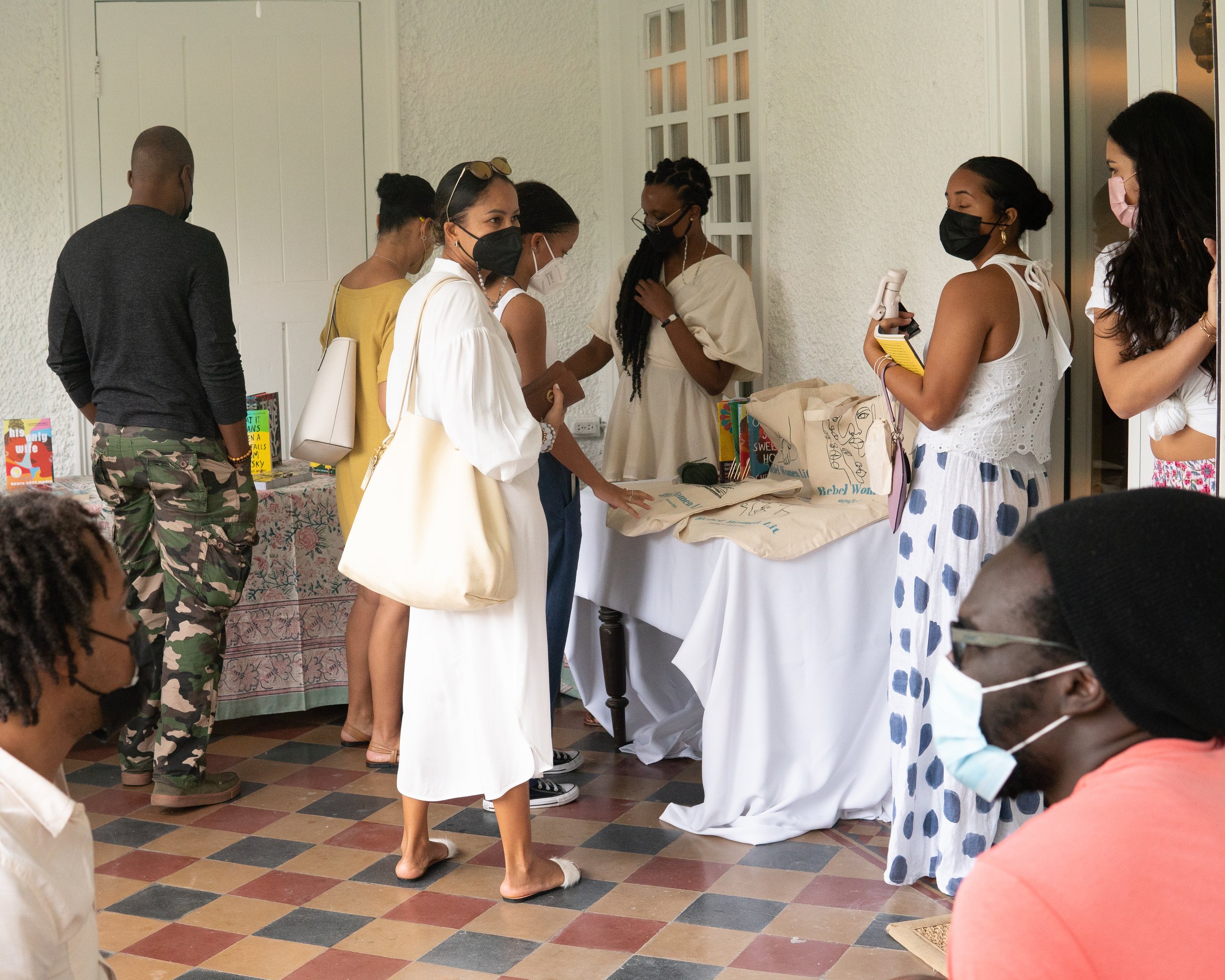
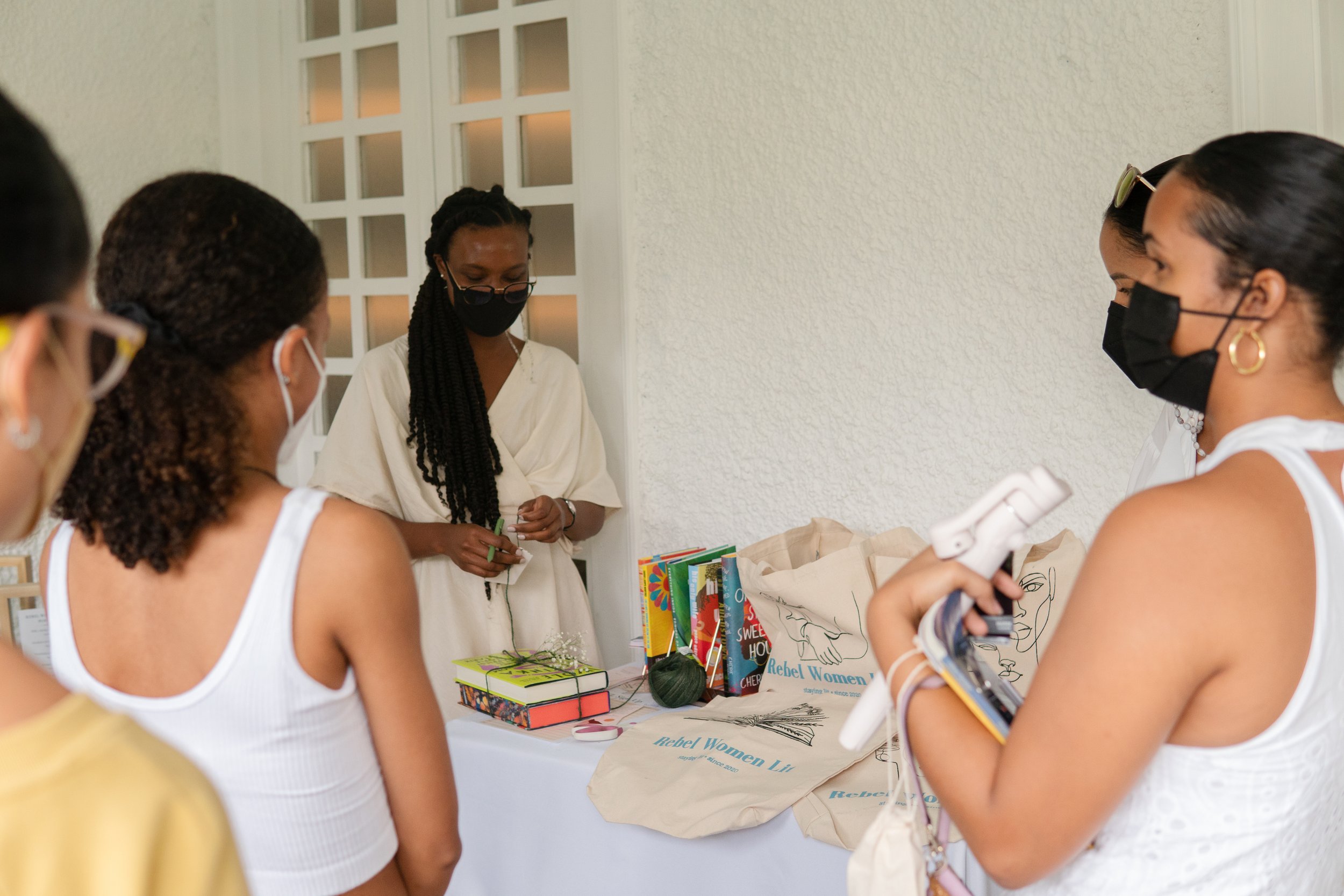
Rebel Women Lit discusses creative entrepreneurship and building communities with Mina Robertson at Haveli’s Last Sunday pop-up at 11 Devon Road.
Last Sundays is a new monthly event from Haveli that celebrates profitable women-led businesses that centre purpose, impact and building communities.
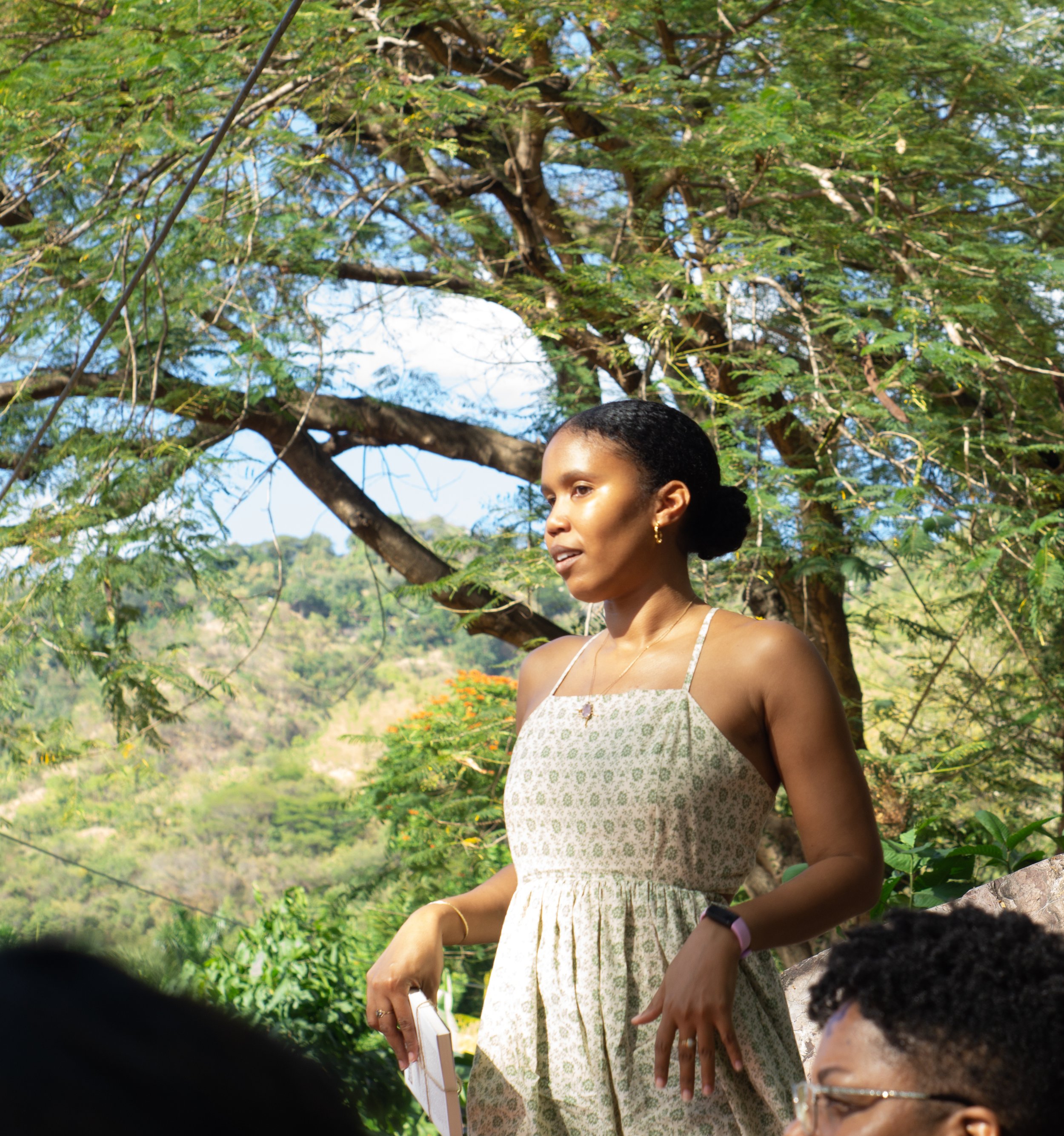
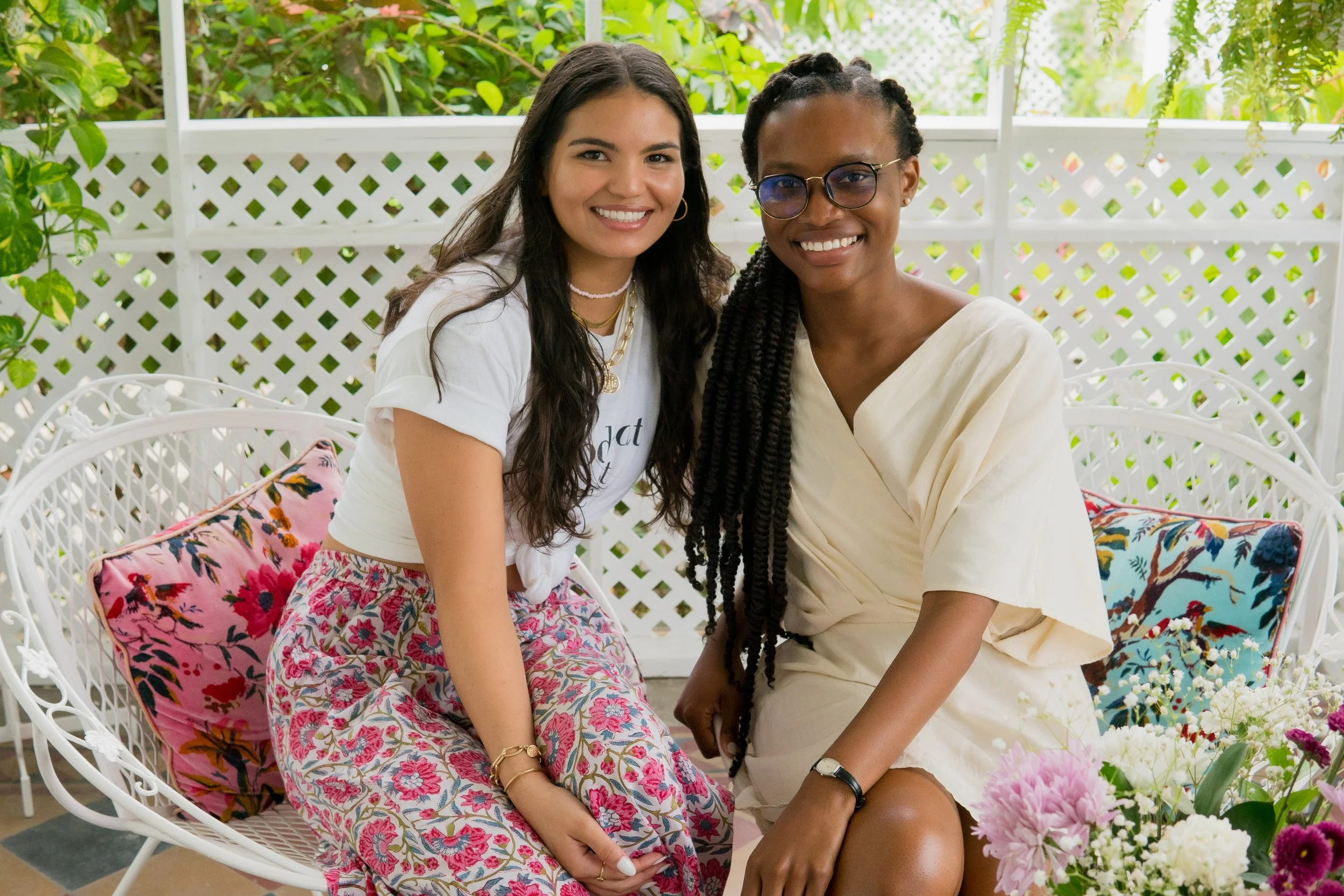
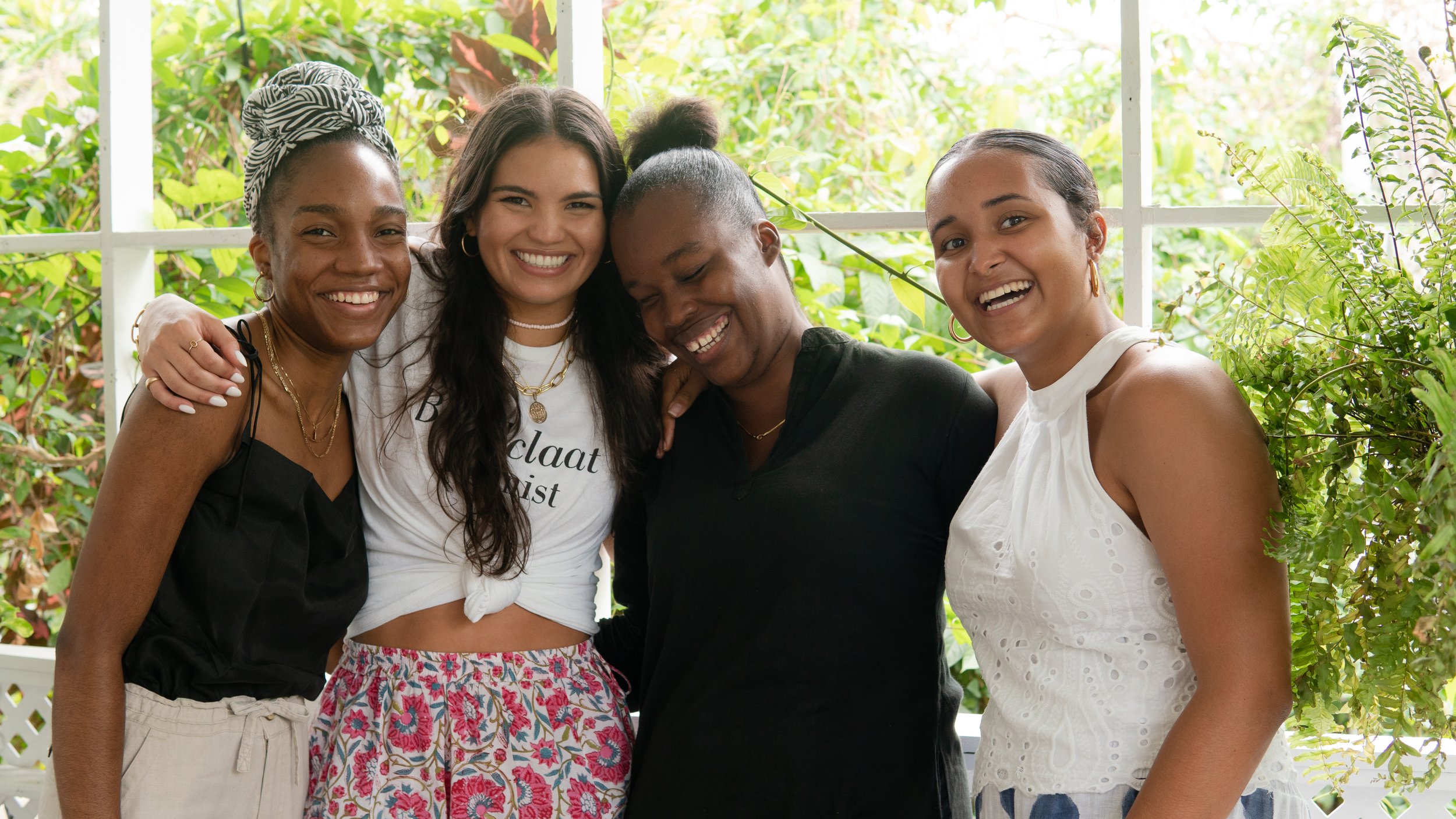
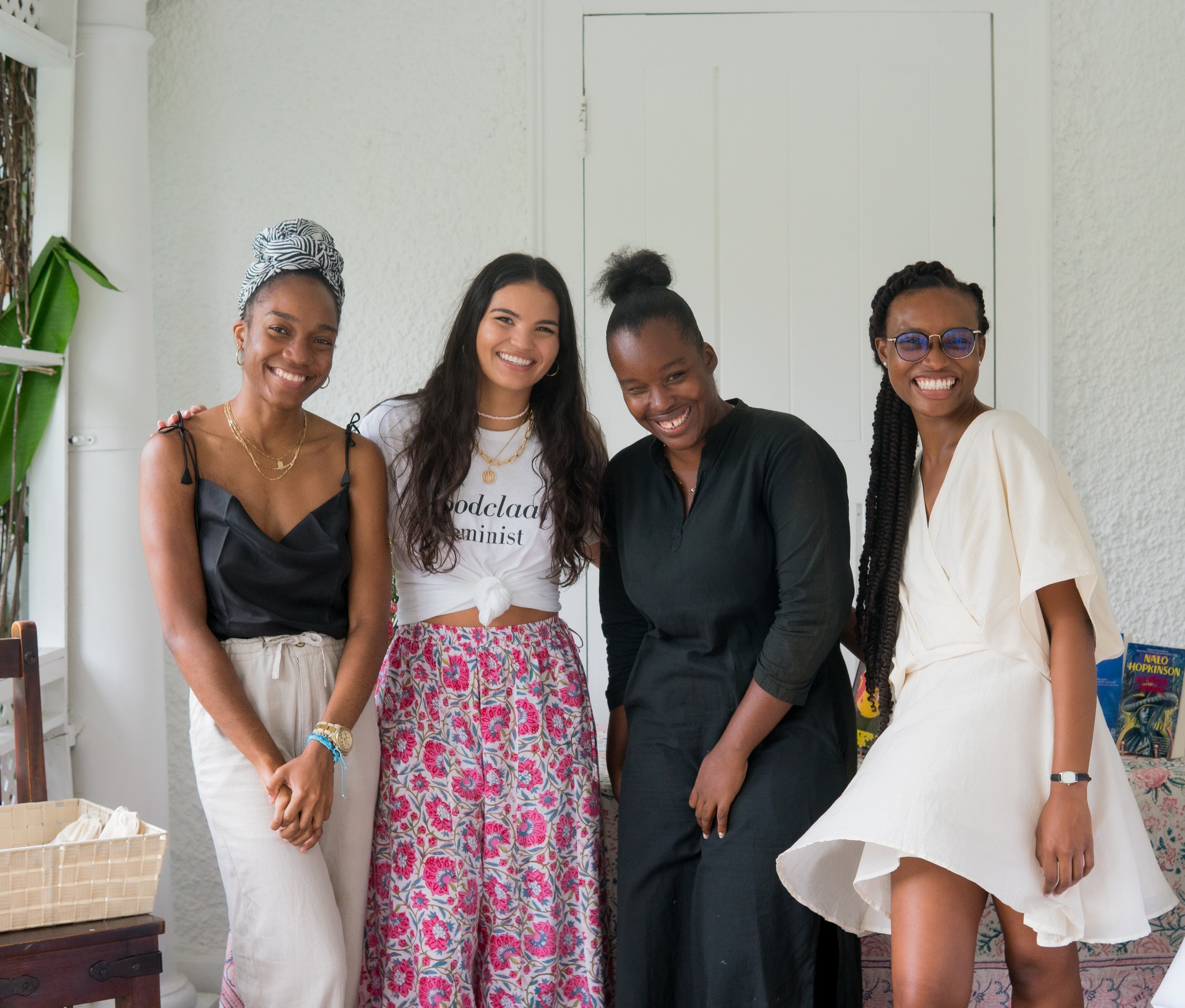
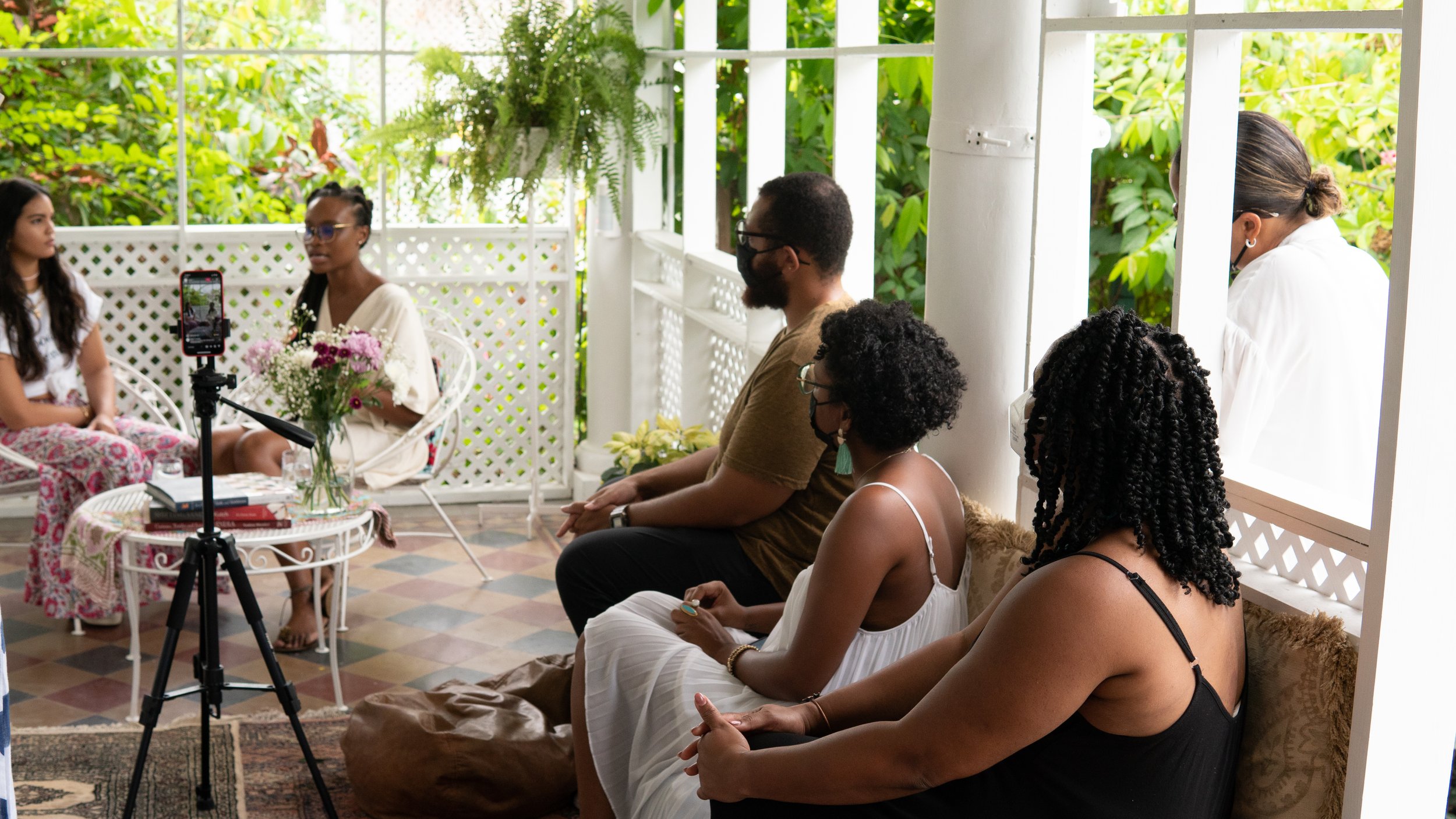
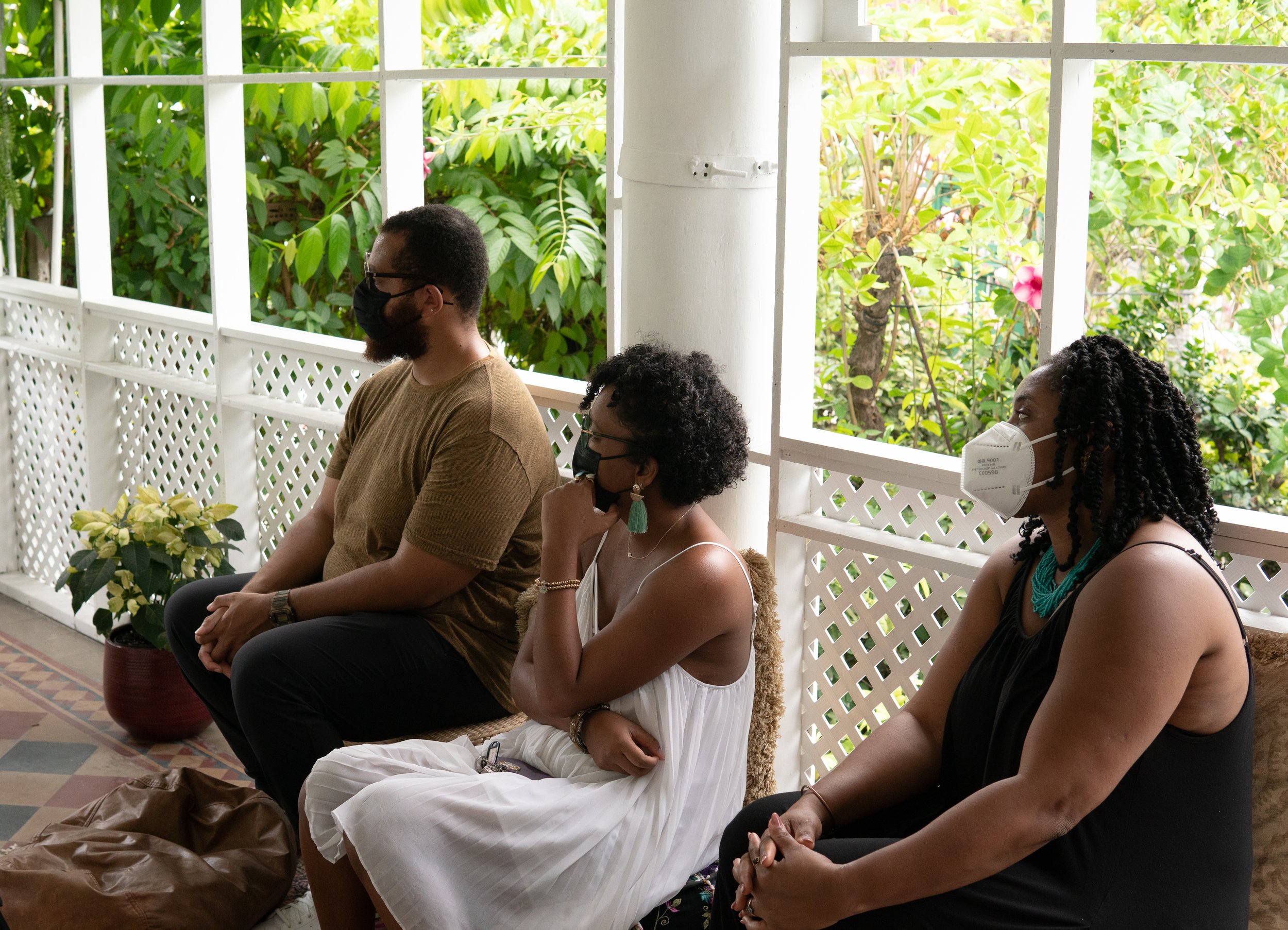
At the Verandah Chat, Jherane, founder of Rebel Women Lit, and Mina, founder of Haveli, had an in depth conversation about what drives their businesses, exercising their boundaries, and building communities.
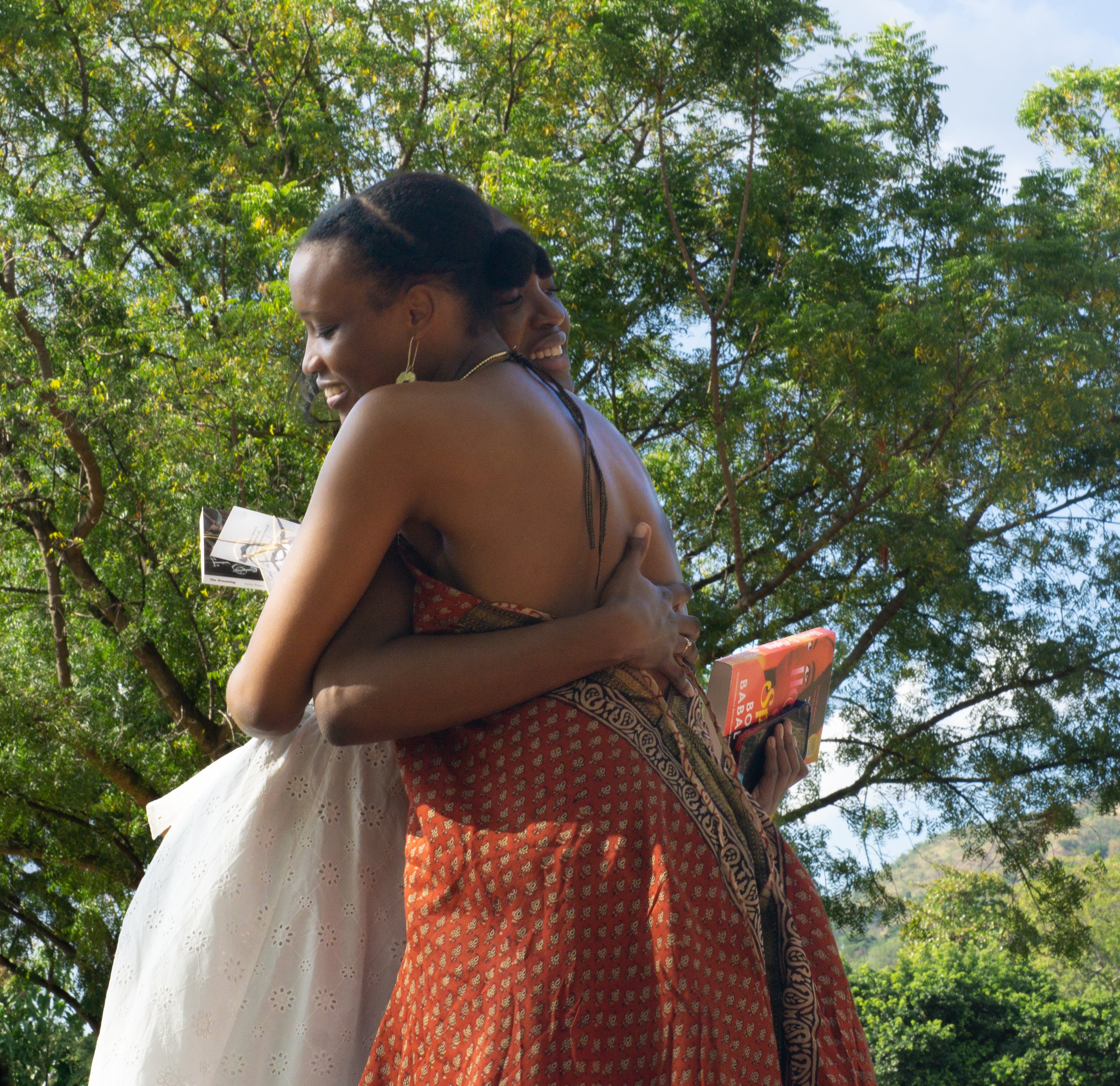
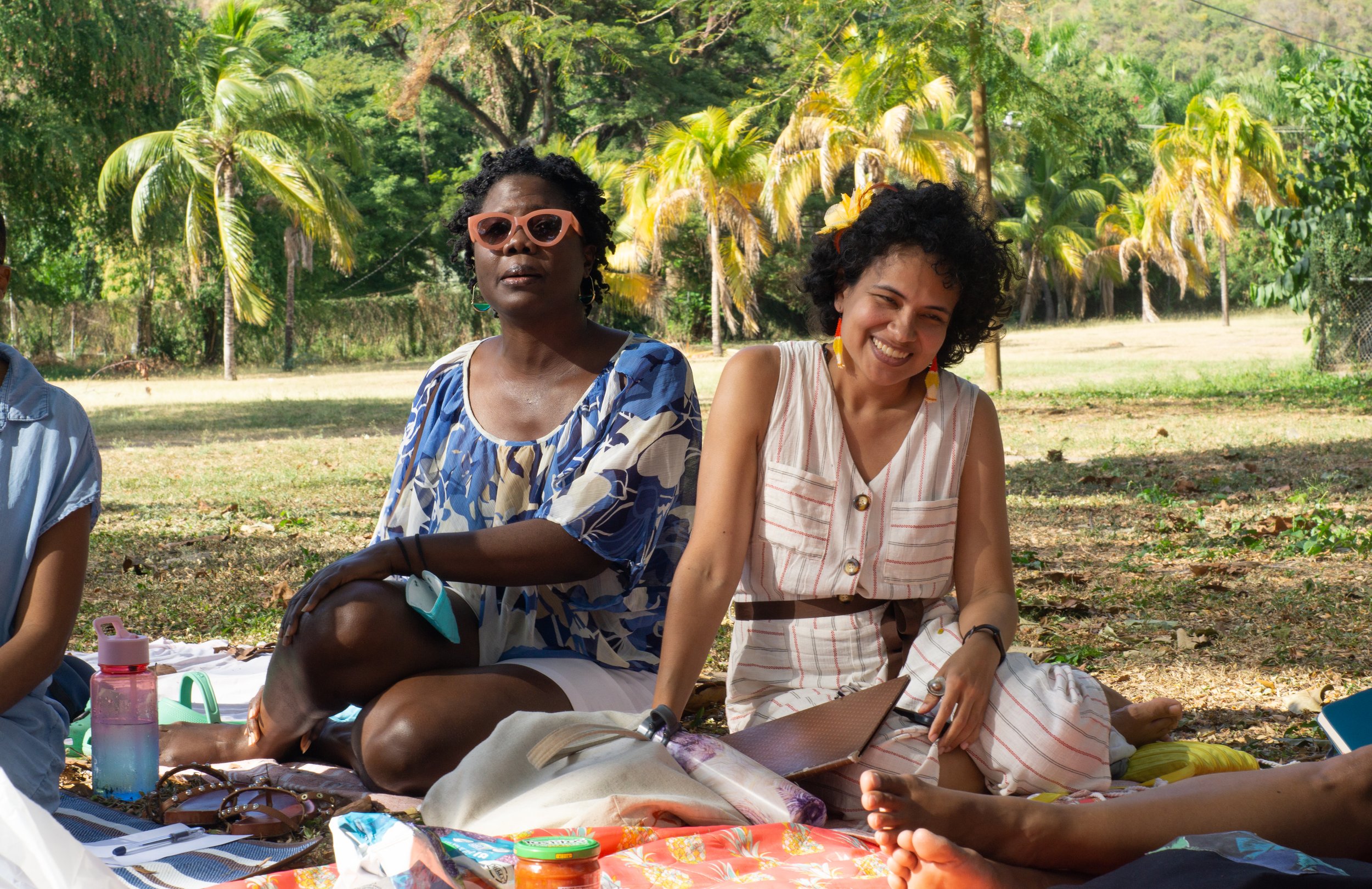
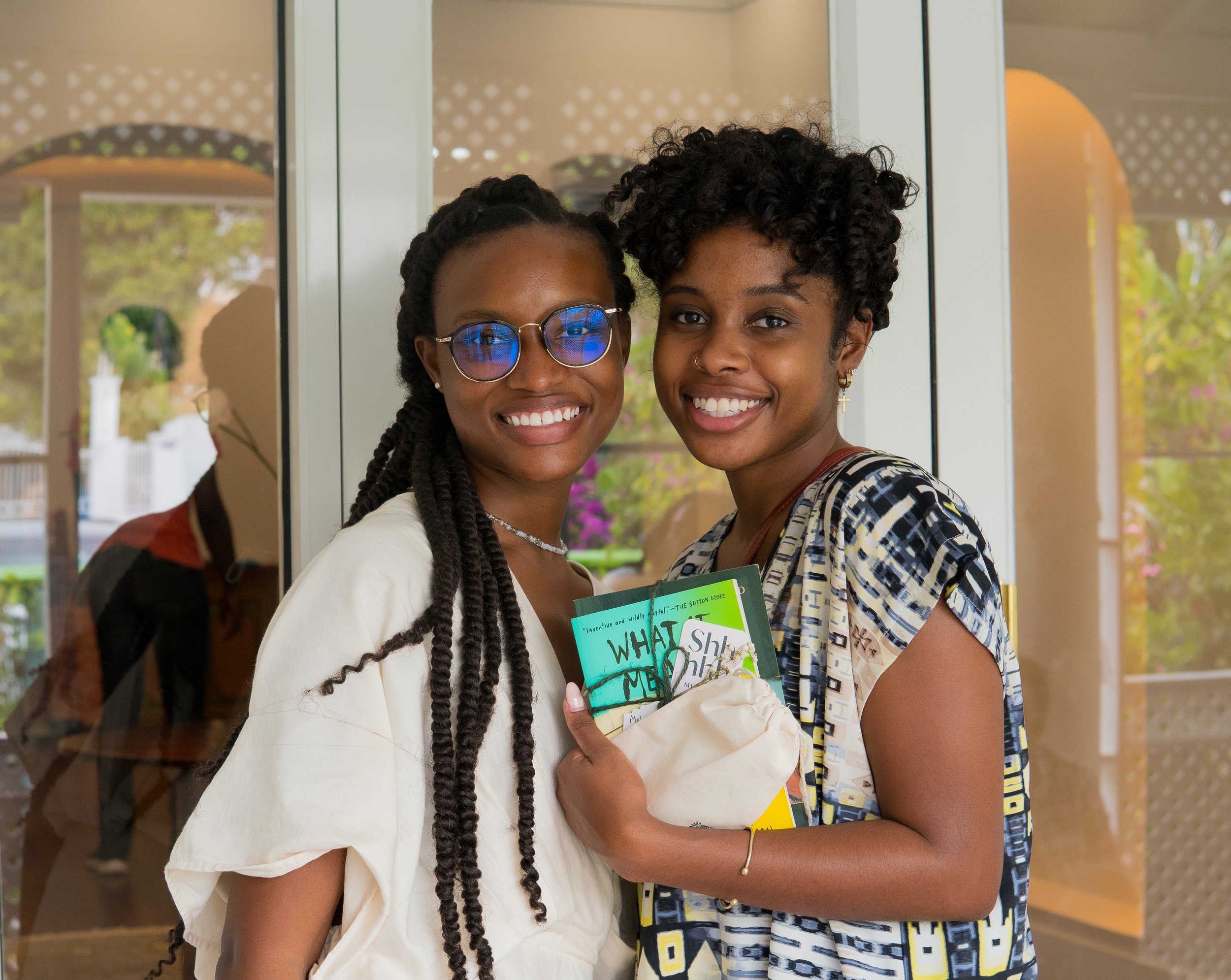
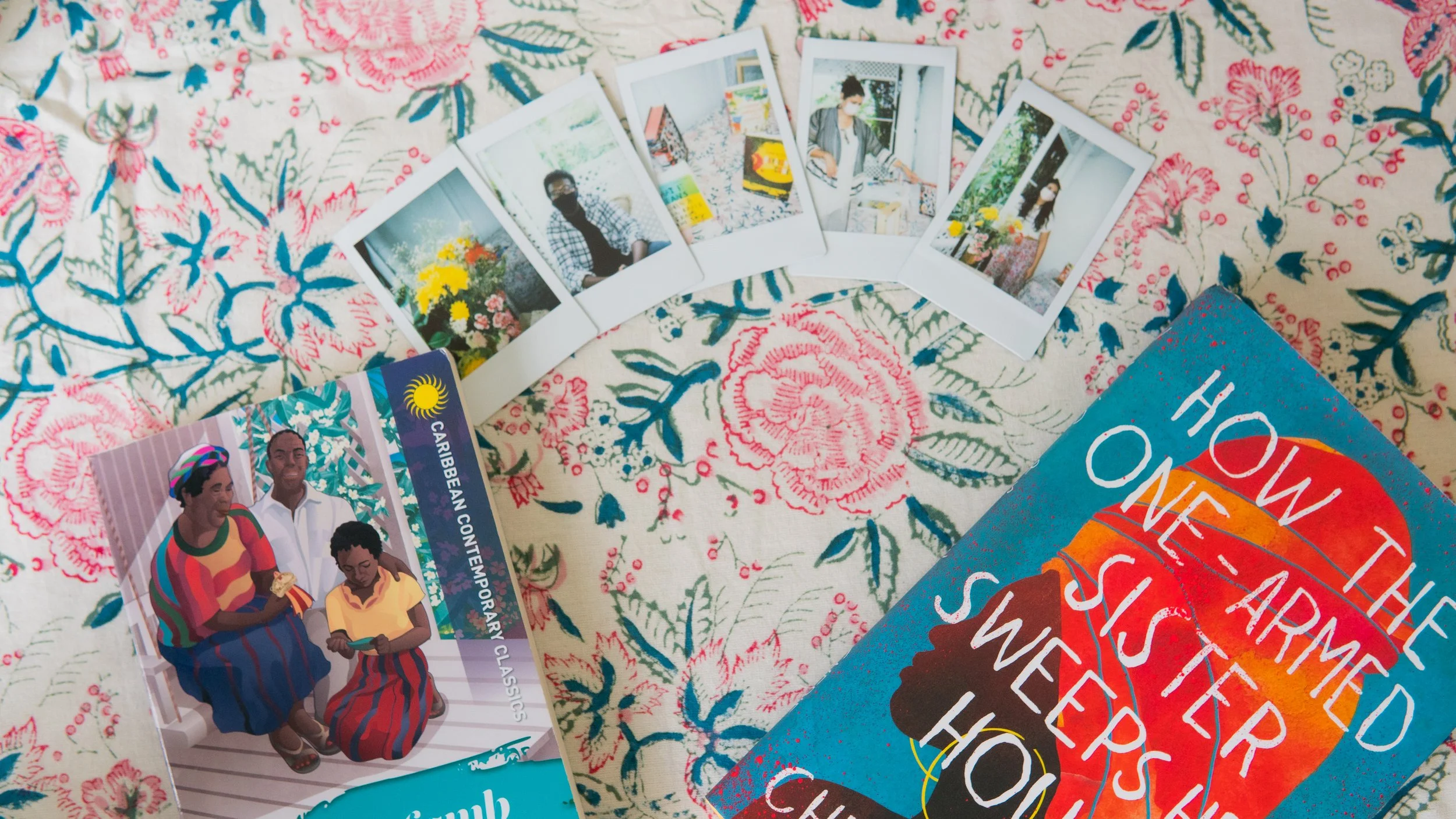
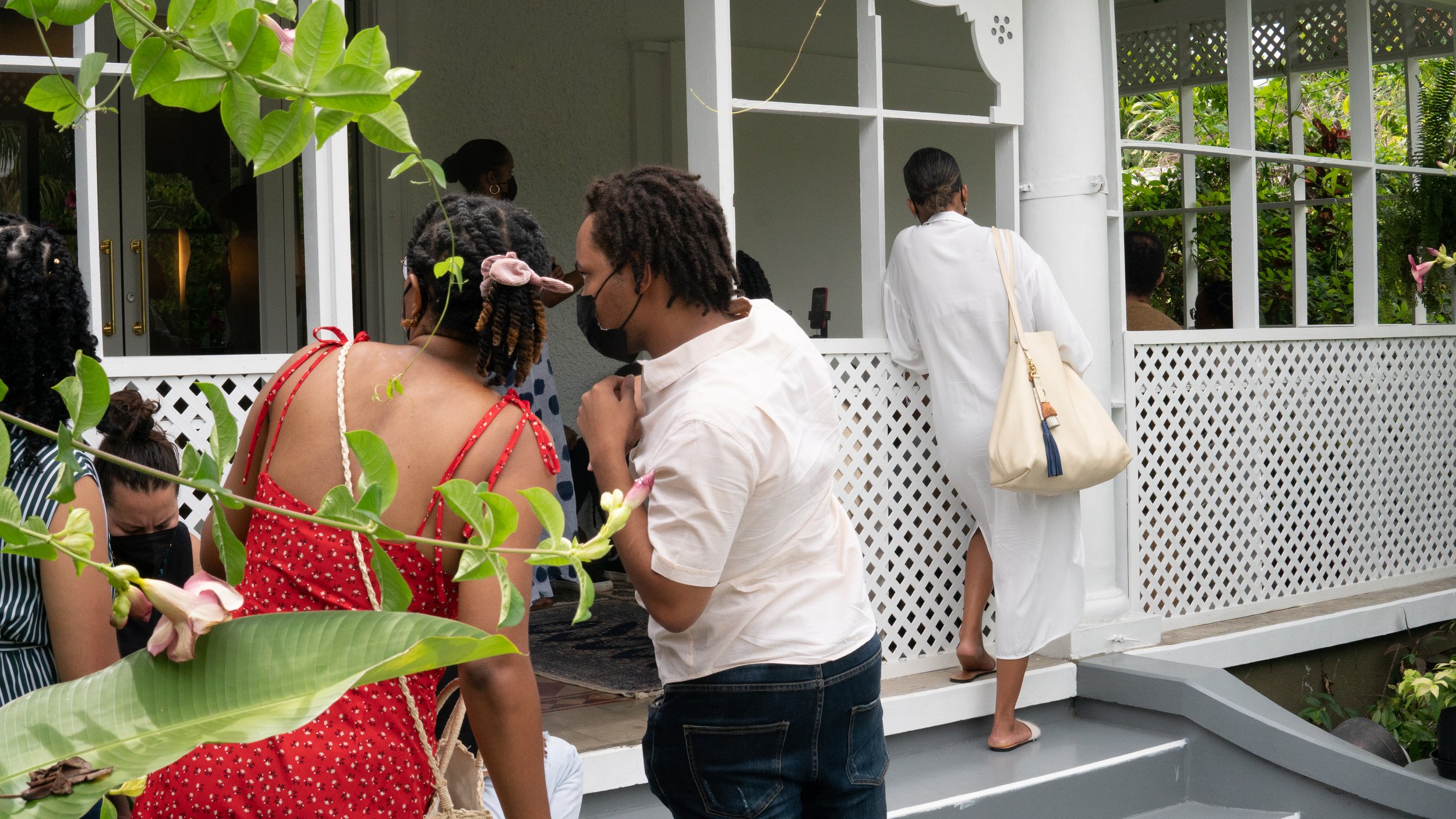
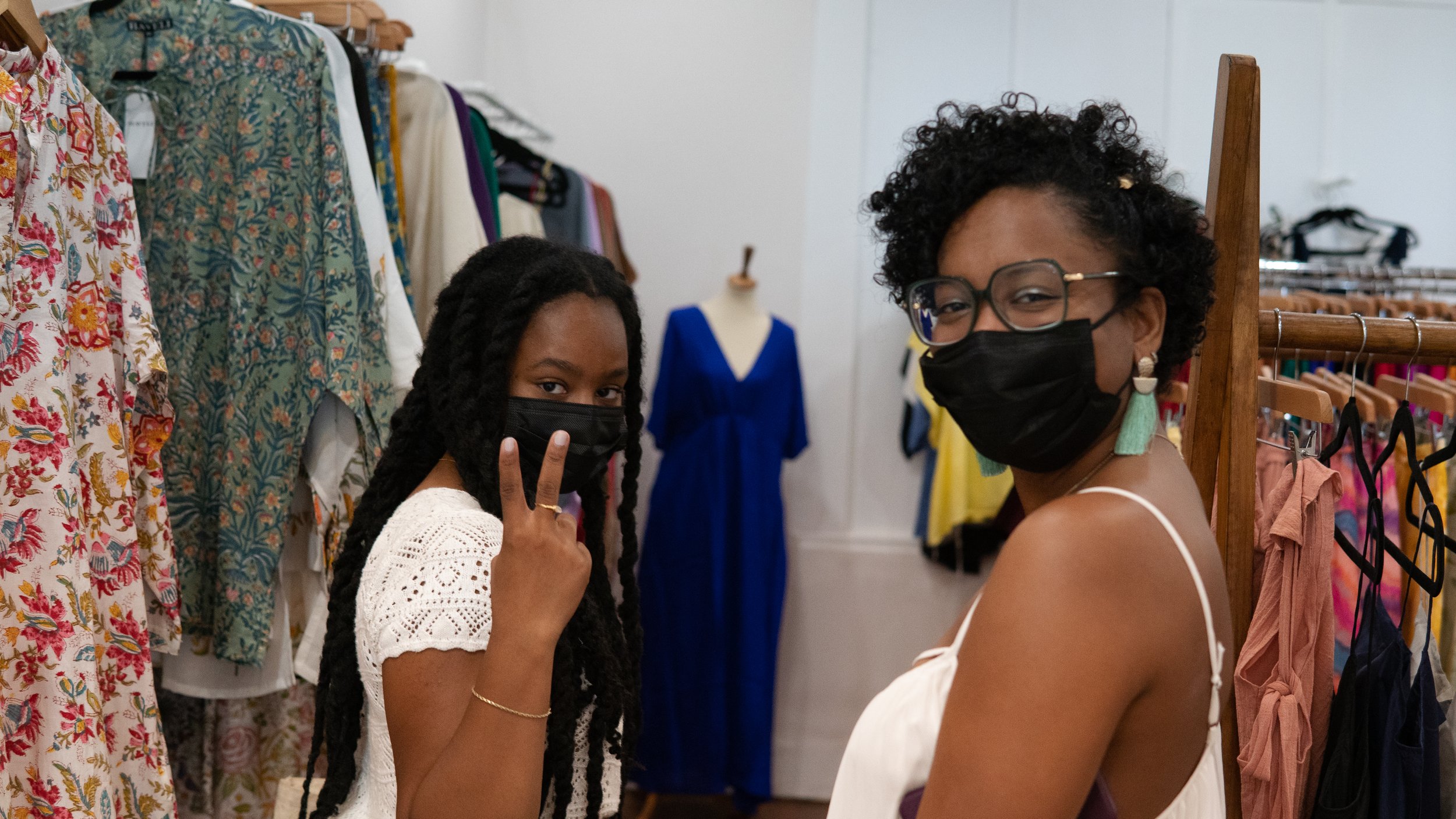
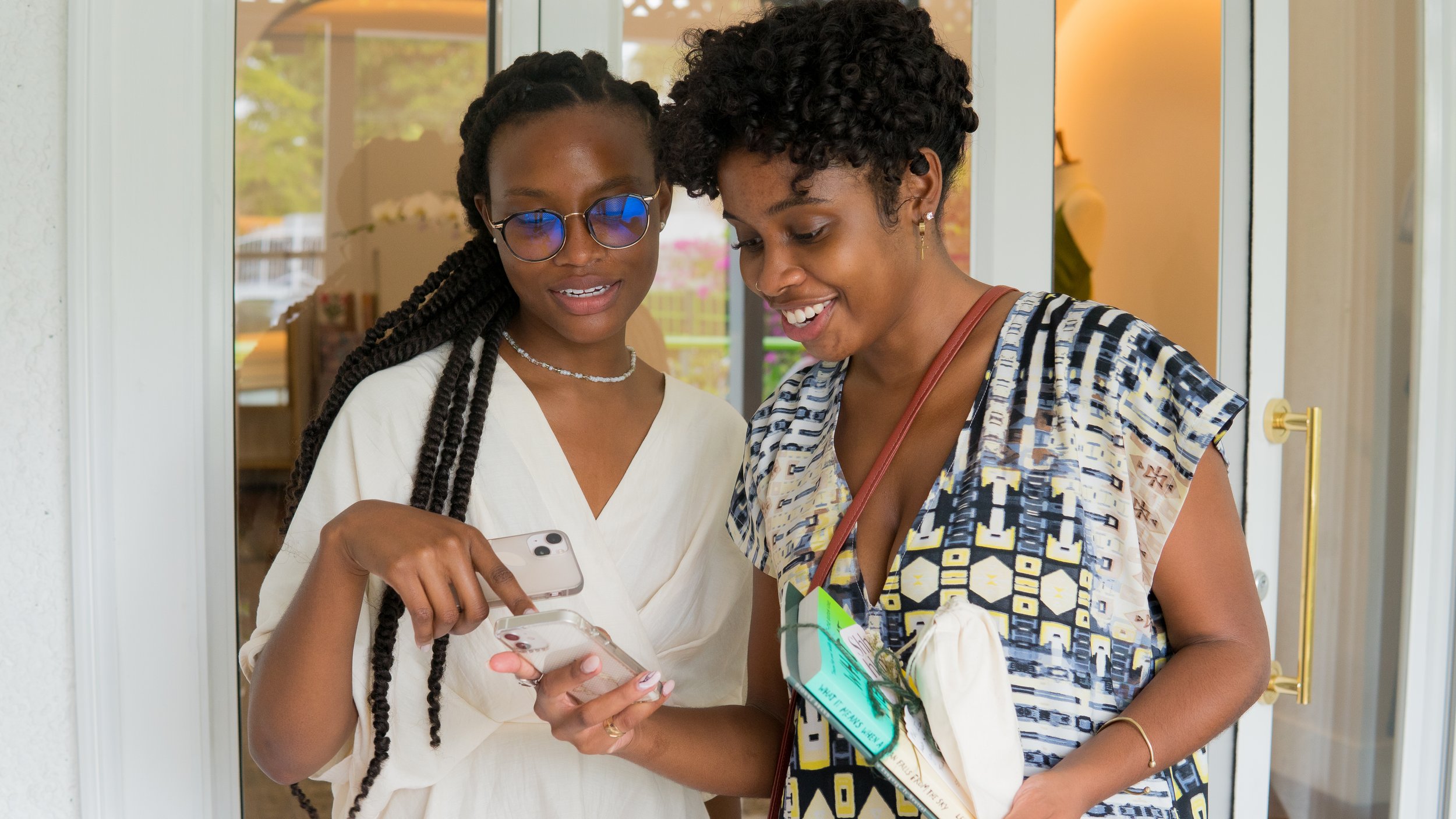
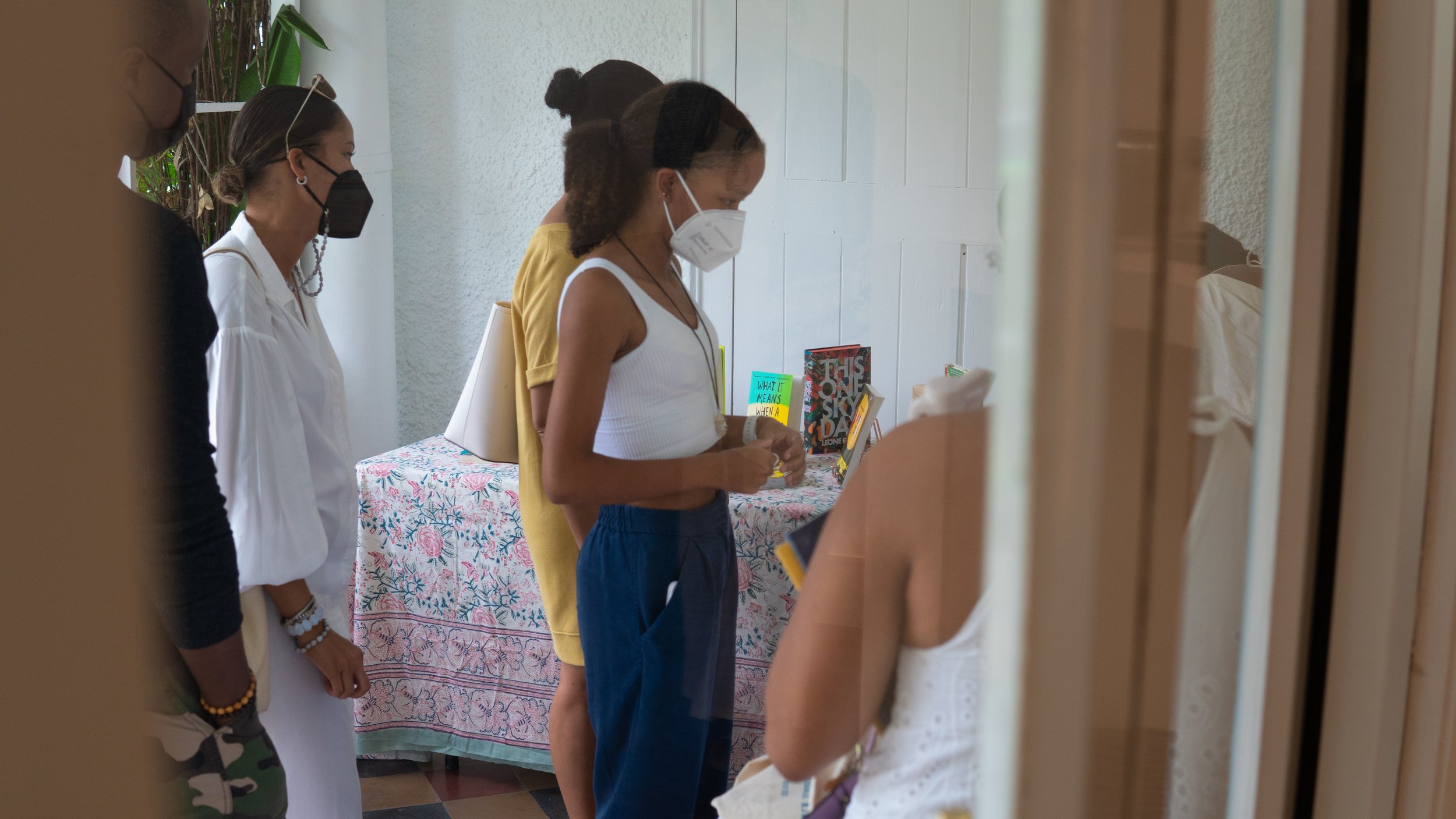
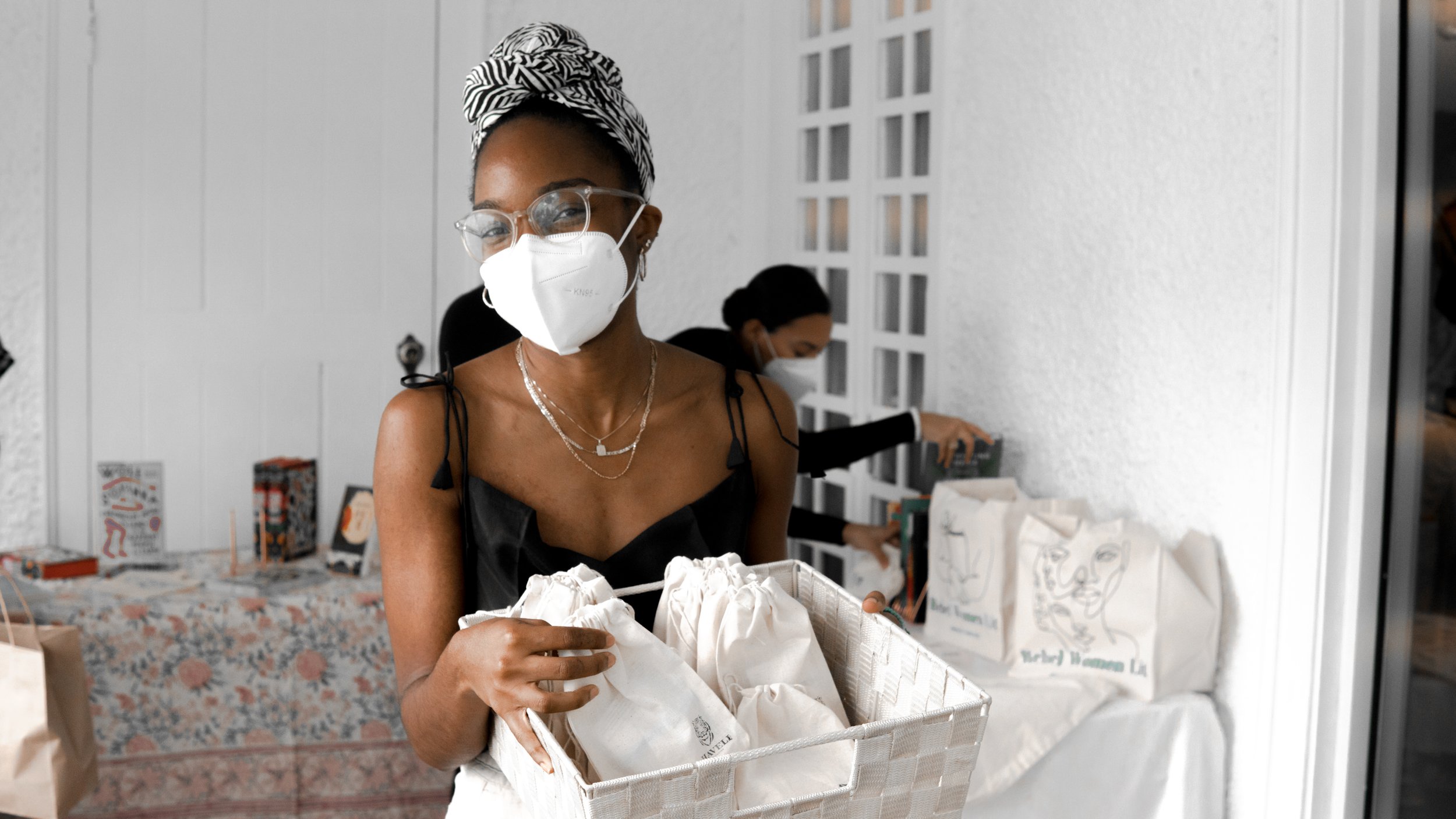
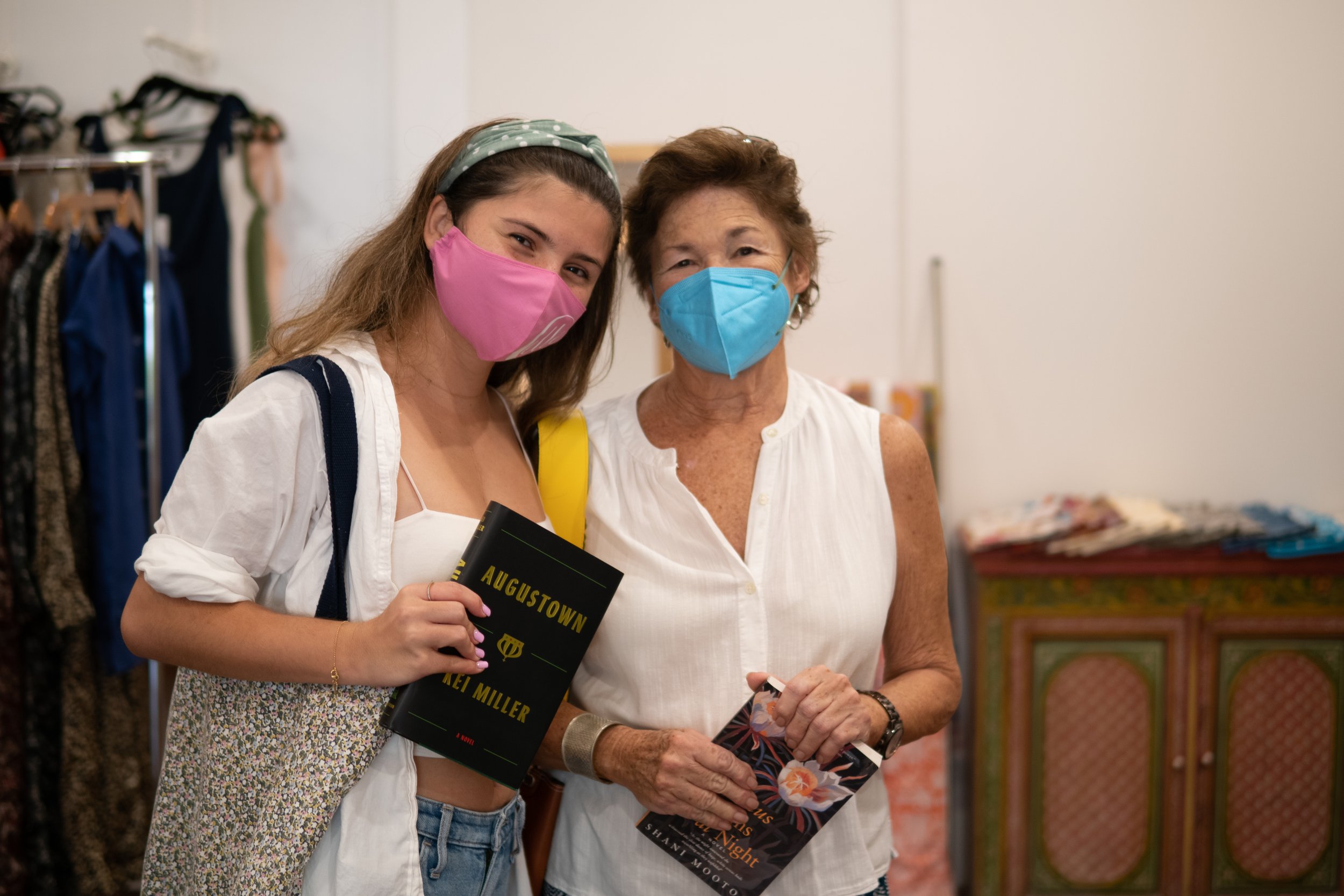
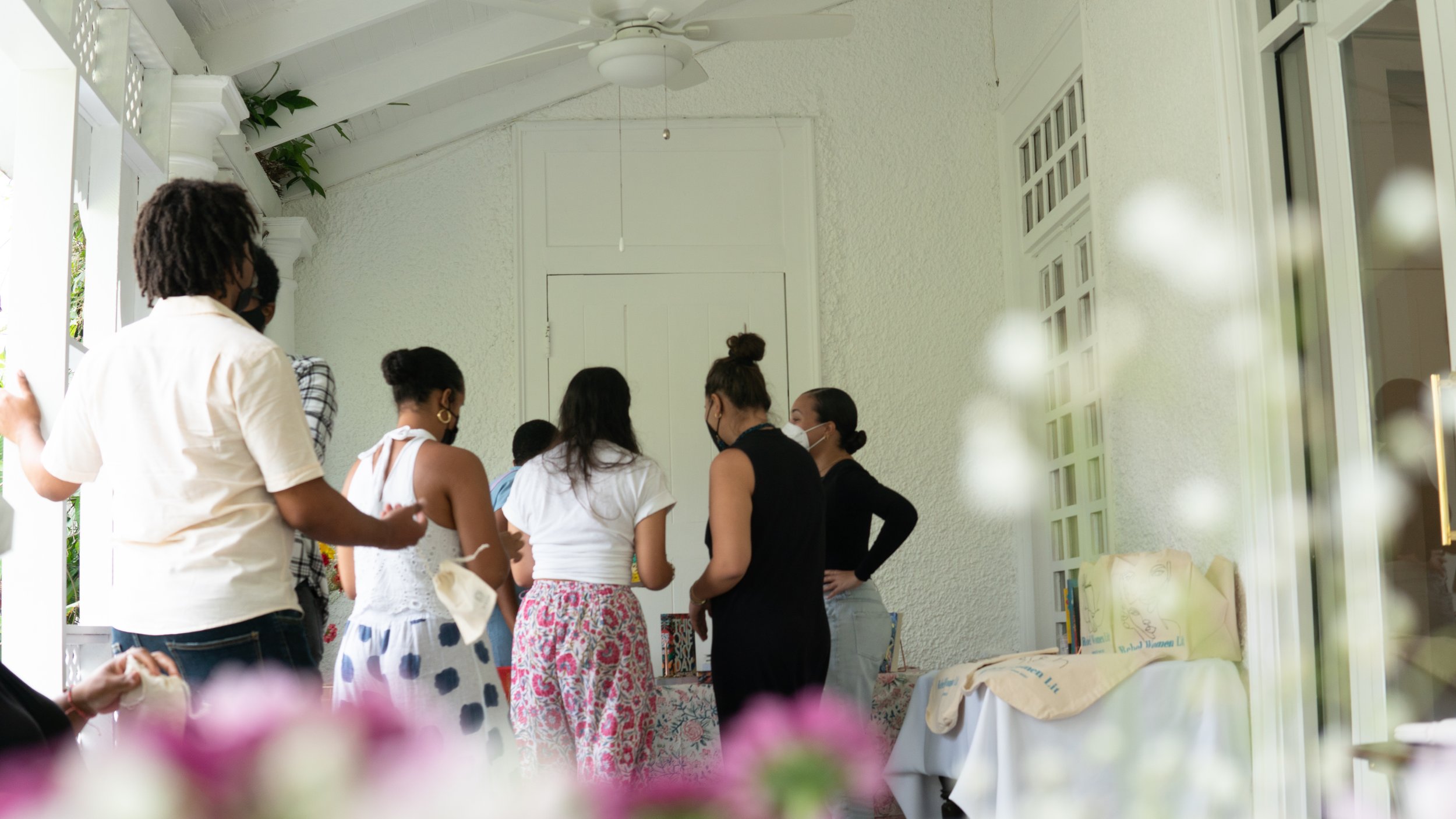
The Haveli and Rebel Women Lit communities came together for a beautiful and tender day of storytelling, fashion and laughter.
Watch the full chat with the founders of Haveli & RWL, and visit Haveli on 11 Devon Road, every last Sunday to celebrate other women-ran businesses.



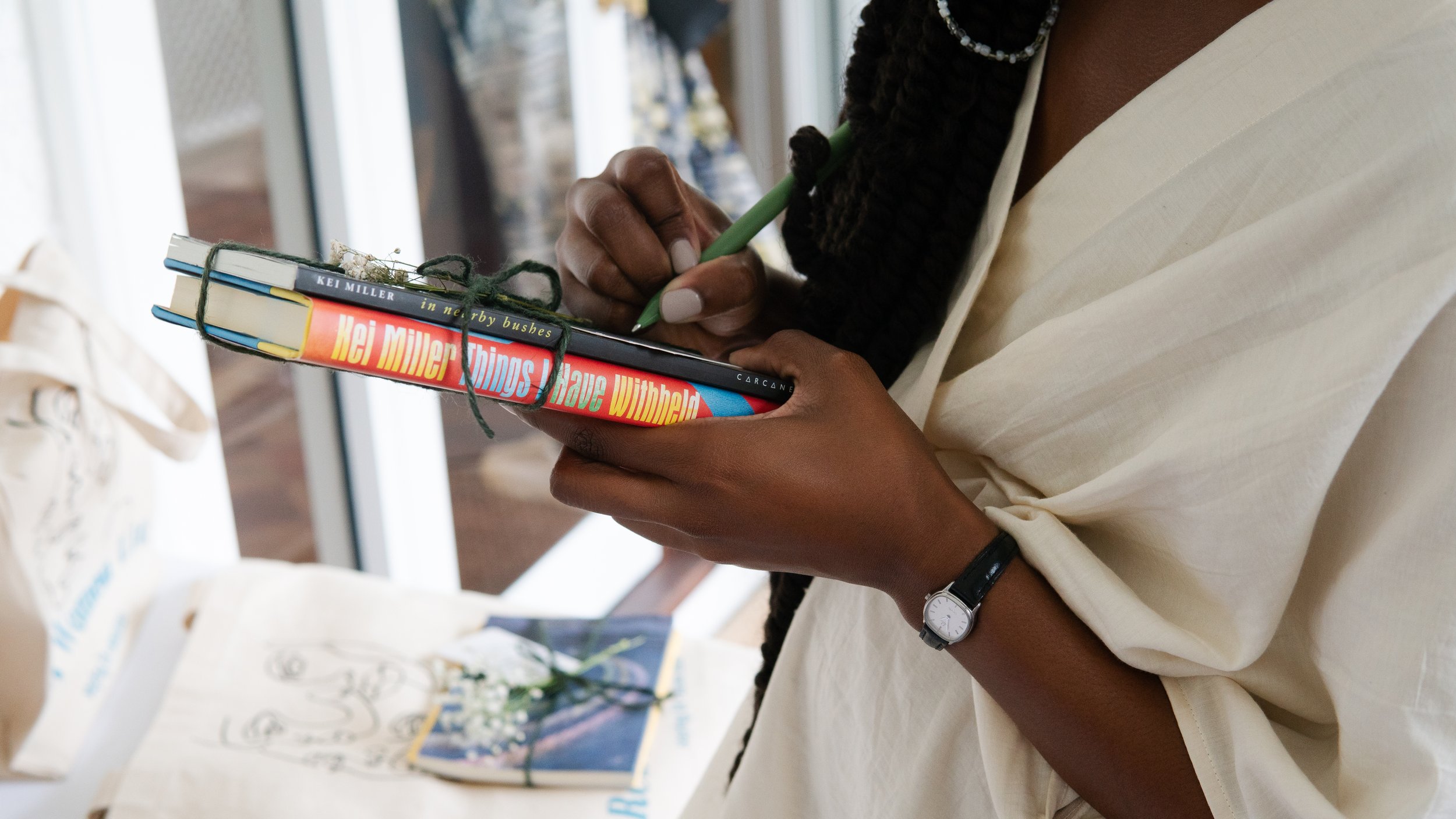

Book Club Social Media Review Template - Augustown by Kei Miller
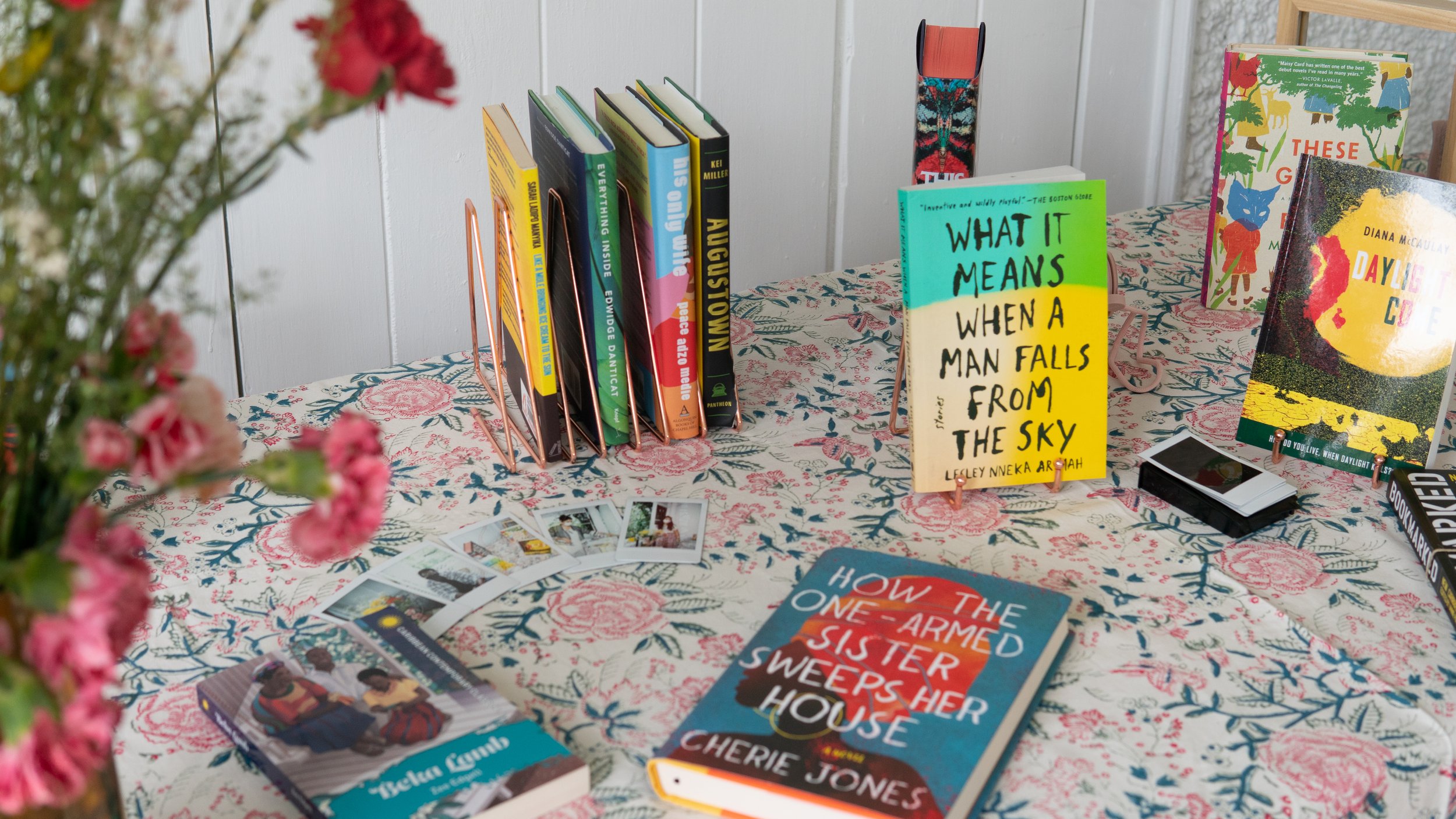
Book Club Social Media Templates for Auguston by Kei Miller
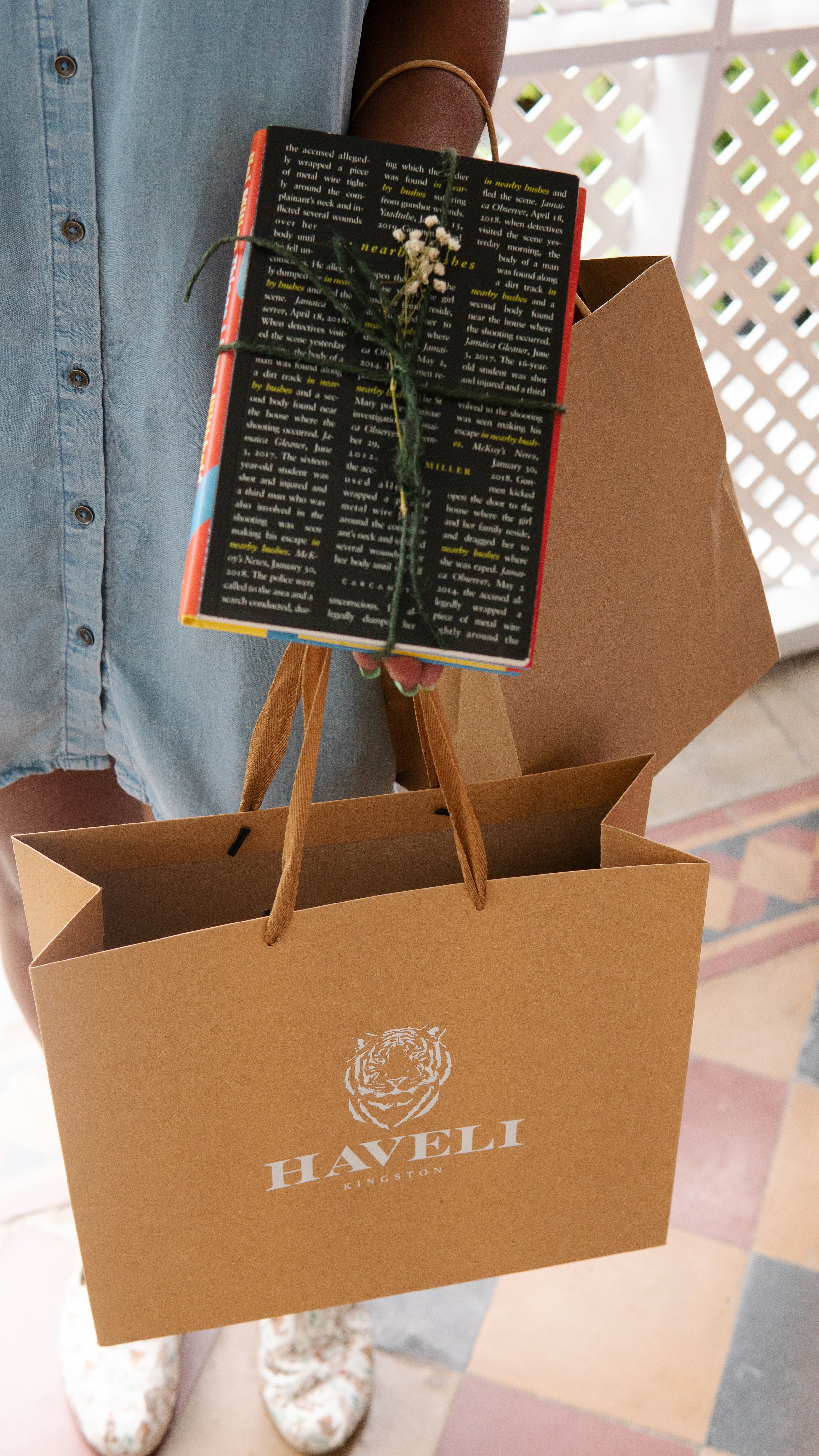
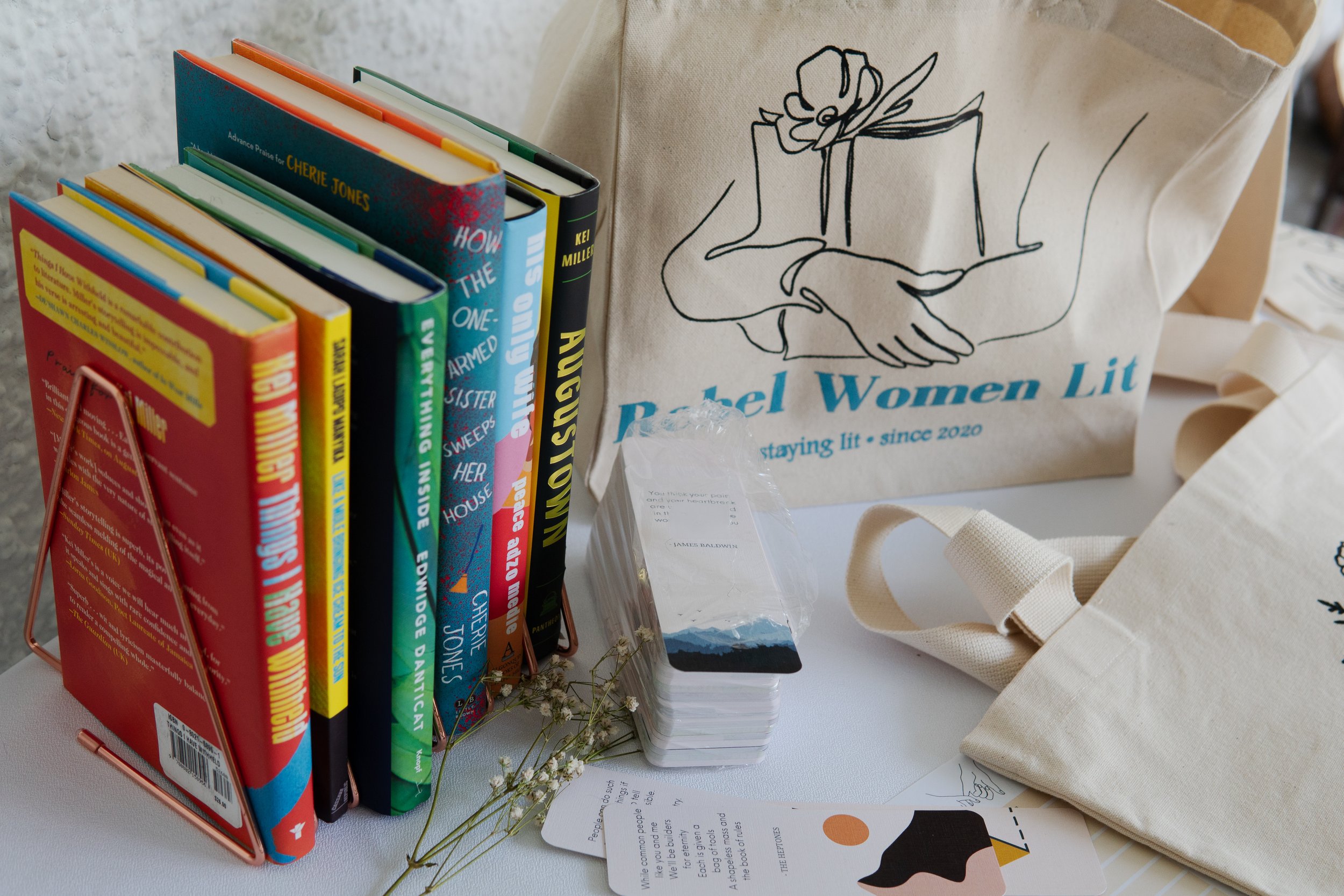
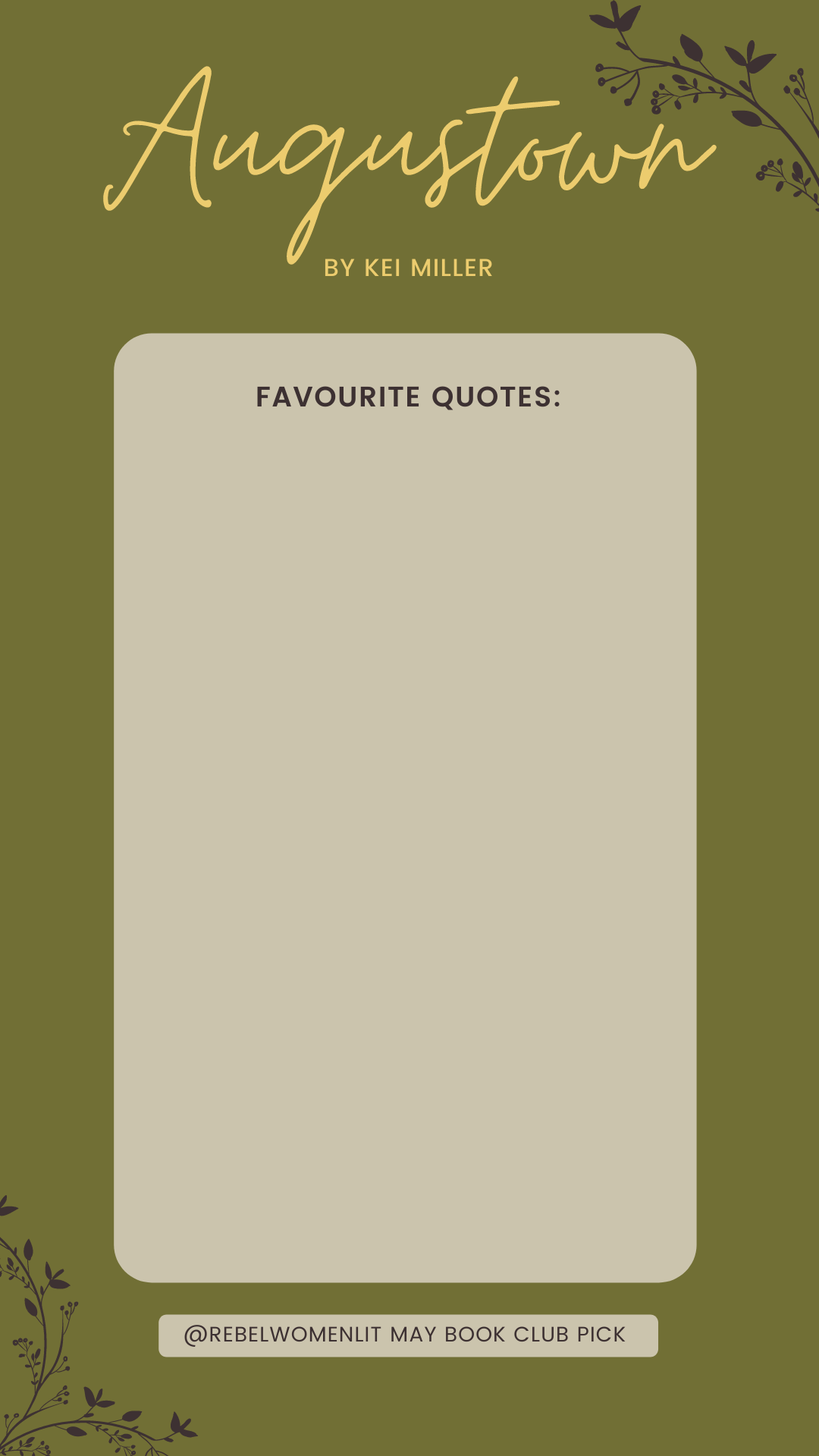
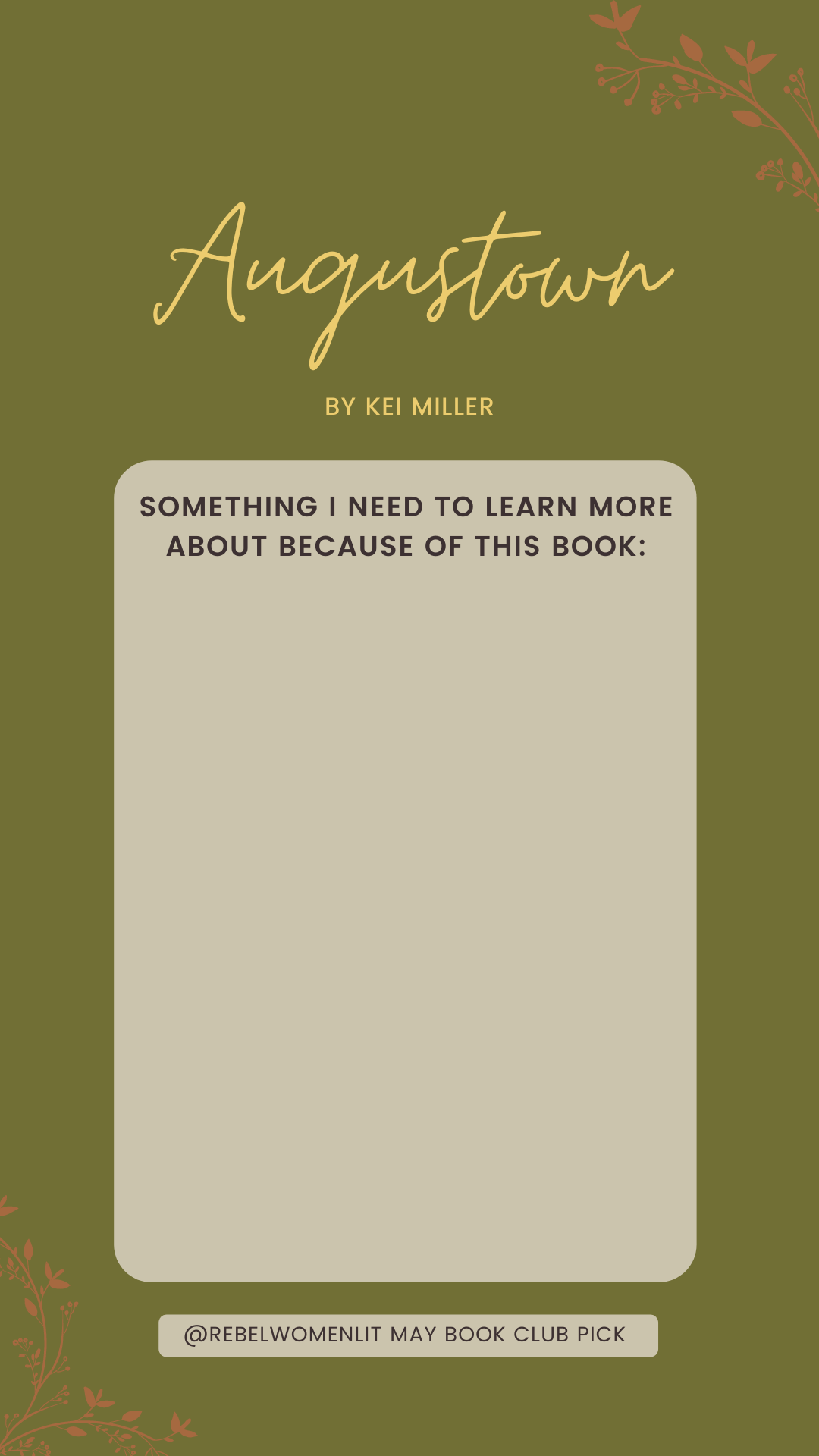
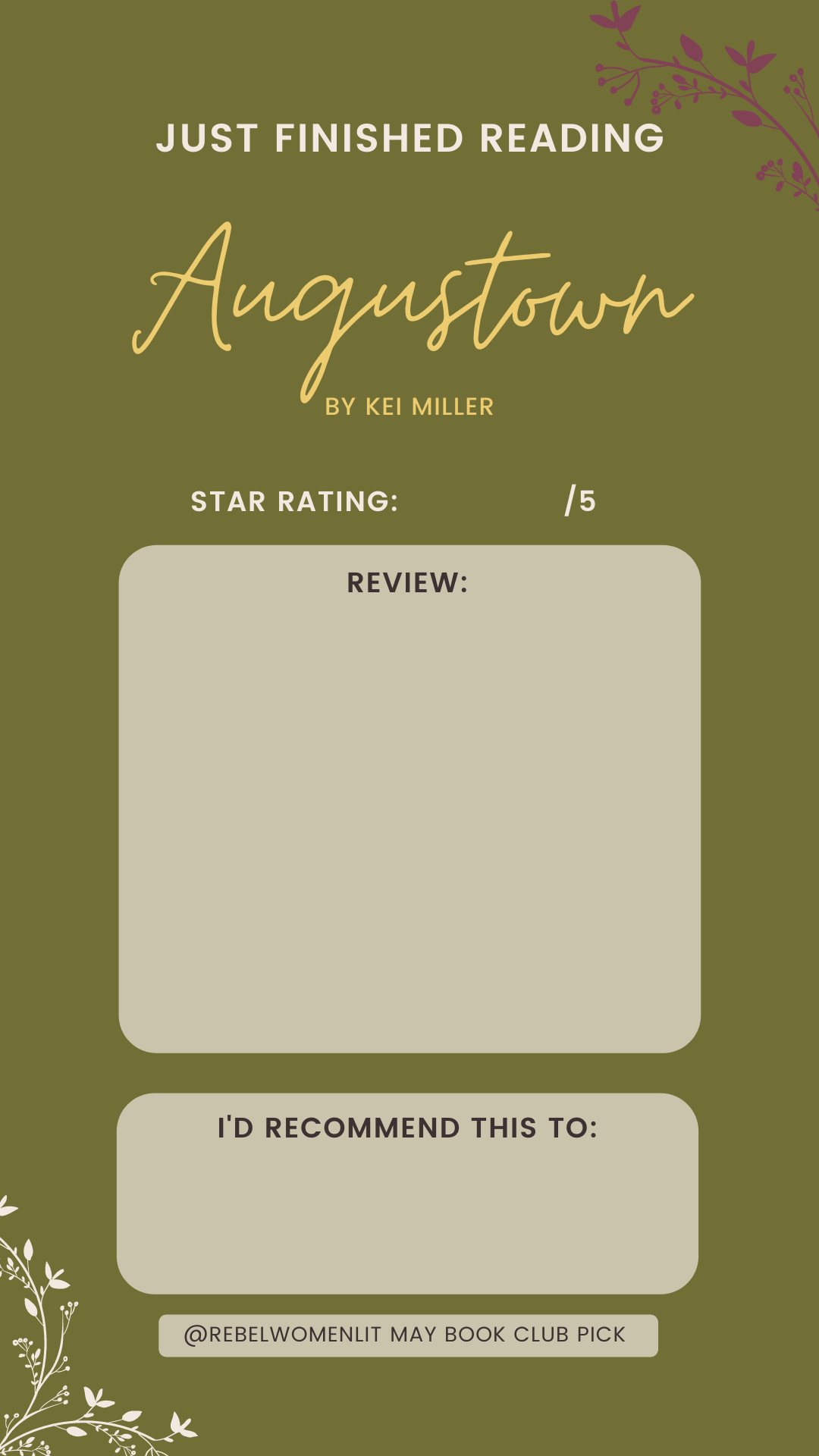
We’re meeting for book club the first Sunday in June, and until then, here are ways you can share and save your reading experience of Augustown by Kei Miller.
Tag us in your Twitter Fleets and IG Stories with your reviews (even if you miss book club and you’re reading this long after)
Click to download images:
My Thoughts (so far)
Something I’ve Learned While Reading
Favourite Quotes From the Book
Something I Need to Learn More About
Final Review of Augustown


Book Club Social Media Review Templates - My Fishy Stepmom by Shakirah Bourne
Book Club Social Media Templates for My Fishy Stepmom by Shakirah Bourne
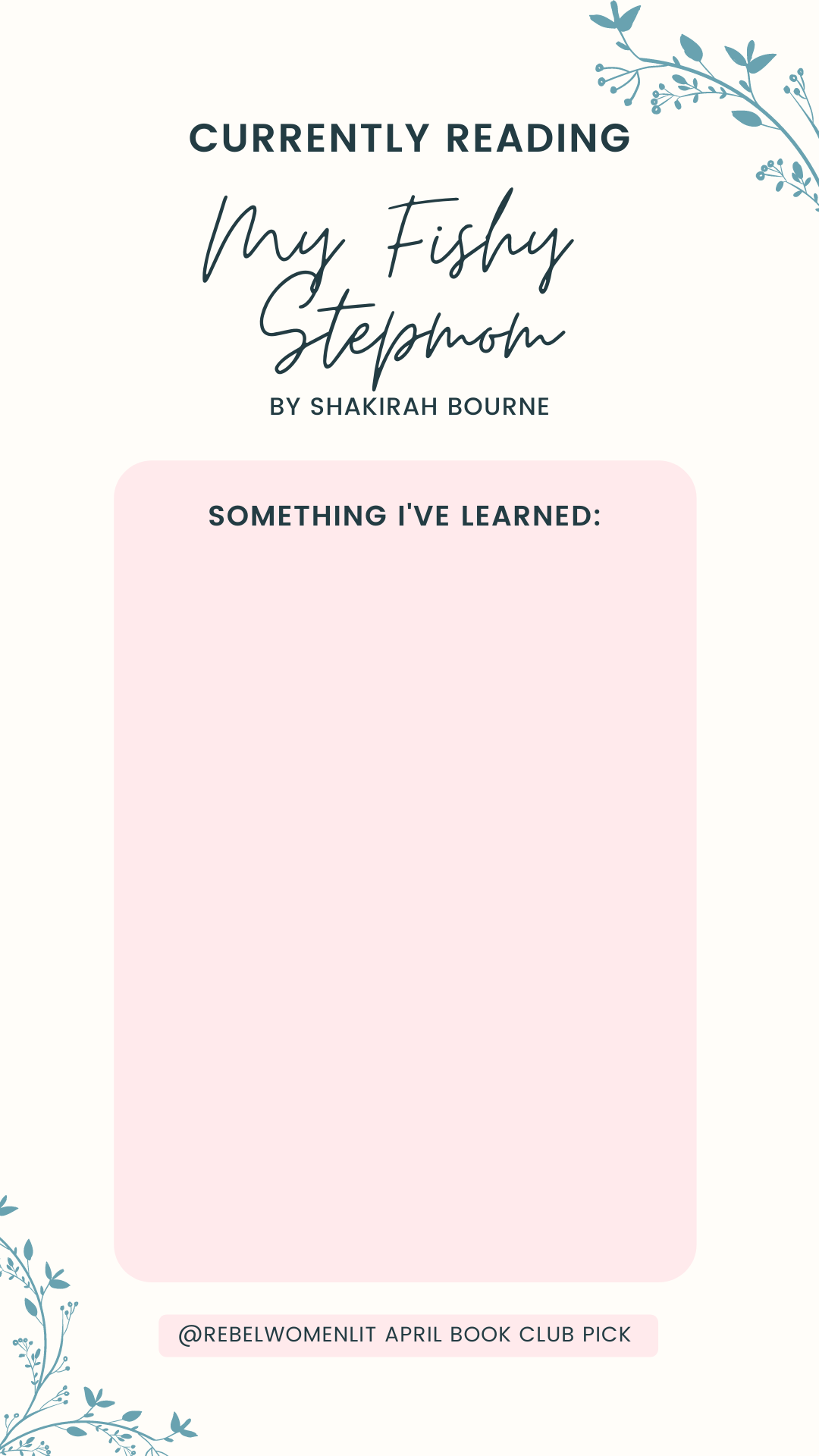
Here are ways you can share and save your reading experience of My Fishy Stepmom by Shakirah Bourne.
Tag us in your Twitter Fleets and IG Stories with your reviews (even if you miss book club and you’re reading this long after)
Click to download images:
My Thoughts (so far)
Something I’ve Learned While Reading
Favourite Quotes From the Book
Something I Need to Learn More About
My Starred Review of My Fishy Stepmom


Meet Our RWL Community Librarian - Jess!
Meet Jess- our awesome community librarian. Find out Jess’ dream for our RWL library and/or libraries in general?
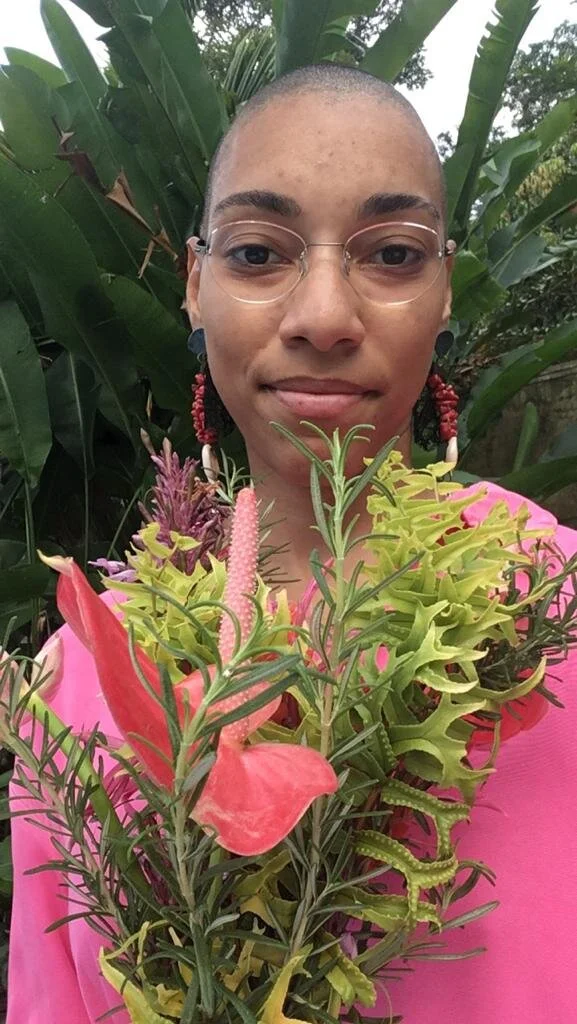
Hi I'm Jessica
(you can call me Jess)
I’m the RWL Librarian!
“Hi I'm Jessica (you can call me Jess), my pronouns are she/her & I’m the Rebel Women Lit Librarian.”
Since we launched our book club in 2017, we’ve had an unofficial library in RWL - if there is a book you wanted and someone had it, you could borrow it and return it. In January last year, Jess prompted us to make our community library official and open to everyone, and it’s one of the biggest and best things we’ve done at Rebel Women Lit.
So let’s meet the engine behind our free community library.
What’s your favourite thing about libraries?
Libraries are one of the only places left in the world where you’re not just seen as a consumer, you’re a human being. The library is a universally free place to access information and to strengthen communities, learn more about world, and become more aware and tolerant of lives and experiences different from one’s own. No matter you’re age, race, sex where you live, what you earn. It can be a place of refuge too, for adults and kids. You’re not limited to just accessing books too, they’re films, music, even video games. Whether you want to learn a language, or get help with homework, find a quiet place to read or just need access to WIFI, libraries are there to help communities in some way, and I feel that they’re taken for granted.
Which book(s) in our community library do you think everyone should read and why?
I loved The Old Drift by Namwali Serpell. I read it with the RWL book club for June 2019. I love historical fiction and magical realism so using both those themes to explore the effects of colonialism in Zambia? With multi-racial, multi-generational family characters? Mostly women? I was hooked! There’s also a bit of science fiction - it’s truly a great epic covering parts of Zambian history of colonialism, the fight for independence, the Kariba dam and environmental issues, the real-life Zambian space program and the HIV epidemic, oh my!. Finally, there’s use of the greek chorus trope where they break the fourth wall talk to the reader, but the ‘they’ are a swarm of mosquitoes, so that was interesting.
What are you passionate about other than books?
I’m passionate about environmental justice, cycling, zero waste, gardening, movies, writing (sort of). I’m in the process of starting a sustainability consulting business to serve small and medium sized businesses in Jamaica to implement zero waste practices in their business operations. I hope to help businesses be more sustainable and connect more to the environment and their consumers that works in their financial budget as well for long-term changes. In the future I also hope to start a composting service , as well for businesses and residents alike, while also educating people about soil regeneration, accessible organic gardening and truly connecting to the earth
In addition to running the RWL library, you've also been donating books to the Tom Redcam Library, how do you decide which books to donate and what's that process been like?
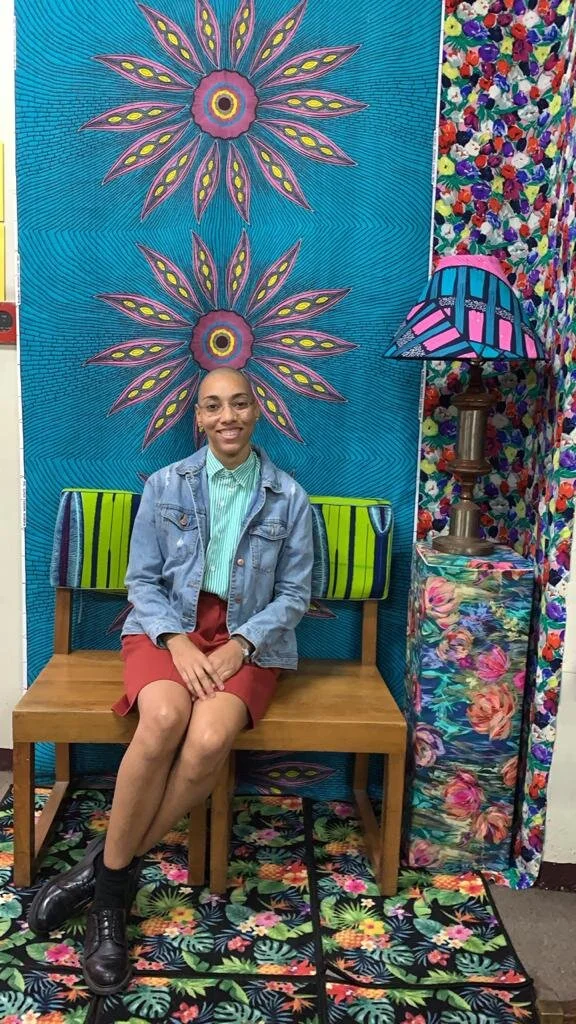
“I understand I can’t change the library institution here in Jamaica, but if there’s a small thing I can do to get books out there for people to discover”
— Jess, Rebel Women Lit
I do have the privilege of buying books locally and from online stores like In the U.S. , but I usually read books once and I keep them on my shelves. I kept thinking how more people could have access to the books I read, and it’ll be different genres : fiction, poetry, graphic novels/comics, non-fiction, most of them are not sold locally. You don’t really see recently published books in our libraries, so I made a commitment that for every physical copy of a book I buy, I’d buy a second copy for the Tom Redcam Library (the JLS is very strict about the physical condition of books for donation, so its just wise to buy a new copy); there’s no real selection process really.
A lot of times I buy books directly from small publishers that don’t have an e-book option, there are books I don’t like to read in e-book form, like poetry, I need to have a physical copy for me to take in the content. Otherwise I buy books from my Kindle. For the donations I just pile up a bunch that I’ve bought overtime , and when I think I have a good amount I bring them over to donate. I understand I can’t change, nor am I responsible for changing, the library institution here in Jamaica, but if there’s a small thing I can do to get books out there for people to discover. I also do my best to share books from my personal library with others.
What's something you dream about for the RWL library and/or libraries in general?
Oh so much! Making libraries, no matter in urban or the most rural areas, relevant and engaging and welcoming and comforting! I’d love for public libraries in Jamaica to carry Current, recently published books of all genres, all Libraries would have programs for helping the unhoused community and domestic violence victims get help and resources, job application services, borrowing films, and film nights showcasing Caribbean- made fils especially, services to help prospective authors launch their own books, having more books in audiobook form, even some in braille for the blind community . I’d also love to see an organic garden and park at each library, people would have access to healthy food, learn about gardening and composting, even cooking classes.
For the RWL Library I’d also love to have more electric copies, even audiobooks for making them more accessible - I’d also love for public libraries here to highlight books read by the club ‘RWL Approved’ if you will, even a children’s library selection. I’d also love (in a Post COVID-19 Jamaica at least) for RWL to partner with sites like cafes and have bookshelves with RWL library books and a little reading nook for people to enjoy them at the locations. There’s a Trinidadian instagram account called @fortheloveofreadingtt that creates community spaces for books to be read and shared: people can take and also leave books for others to enjoy. Maybe RWL can have their own space too, like a library/bookstore/cafe/community organising and event space
Speed Round:
Who/What do you find inspiring right now?:
Small business owners pushing and thriving through the pandemic
Book you're reading now:
Arid Dreams by Duanwad Pimwana
Last book you read and loved:
Heads of the Colored People by Nafissa Thompson-Spires
Ebook, Physical or Audio:
E-book except for poetry books
Favourite Literary Character:
One that has recently resonated with me is Laura Olamina from Octavia Butler's Parable Series
Become a Member of Rebel Women Lit to Help Us Sustain Our Library


After Elections: 4 Ways To Use Your Voice
Often times when discussing political engagement the conversation begins and ends with voting. Let’s become more active in our democracy beyond elections.


It's election day Jamaica, and if you’ve ever cast a ballot you’re familiar with the sense of empowerment that accompanies voting. Often times when discussing political engagement the conversation begins and ends with voting. While voting is important and remains highly essential to the democratic process, there are many other opportunities to become an active and politically engaged citizen.
Here are four ways you can effectively participate, beyond election day:
1. Ask For The Receipts
The day-to-day activities of our government isn’t a mystery if you know where/how to ask the right questions. The Access to Information Act (2002) is a keystone for many of our investigative journalists and advocates, but the truth is that it’s available for everyone. Making an Access to Information (ATI) Request It’s a very simple process that gives us all a general right of access to official government information. You don’t need to know the specific document you’re looking for, you can make a general request for “all documents related to…”, including financial statements, meeting minutes, policies for whatever issues or topics you’re interested in. With very few exceptions, these documents should be made available to you.
Having more information about what your MPs, Ministers, Councilors etc. are (not) doing day to day about particular issues makes it easier to hold them accountable and raise pointed questions in-between election campaigns and is crucial, yet often overlooked tool in participating in our democracy. So go ahead and make your ATI Request and find out exactly what our elected (and selected) officials are up.
Useful Links:
Access To Information Act (2002)
Guidelines on making ATI Requests
How To Guide from JFJ
2. Help Make Decisions
One of the most powerful ways to engage with parliamentarians in between elections is through parliamentary submissions as they directly help to shape our laws and legislations. In Jamaica, the public is frequently invited to be part of the review or design process of our legislation parliament. Think of it like crowd-sourcing ideas on our laws. Parliament says “hey we’re reviewing/creating this thing, any suggestions?” and you can jump in with our ideas. You can even propose new laws, or suggest reviews even without being prompted by parliament. The best part is, you just need to read the bills being reviewed and send an email to clerk@japarliament.gov.jm with your suggestions.
Many persons are unaware that we can do this and it’s time we take advantage of this tool and get our voices heard. You can make submissions as an individual or you can team up with others to write one.
A few of our Rebel Women Lit book club members have made submissions and presentations to parliament on Offences Against Persons Act, and Sexual Harassment Act, and our sister-project - Abortion Monologues - has even been included in parliamentary discussions on our abortion laws here in Jamaica.
Recently there have been calls for submissions around laws and bills we’re expecting many more to reappear in parliament after the elections. So keep your eye out for calls for submissions, or even take the initiative to make propose your own bill or review to parliament.
Useful Link:
How To Make A Submission to Parliament
List of Bills Currently Being Considered by Parliament
3. Understand & Use The Media
Our opinions about the world are definitely a reflection of how media portrays or presents that issue and how we dissect the media deliberations to form our own opinions. And in the age of fake news and click-bait outrage, it’s even more vital to understand what motivates the creation of the media we consume and inquire into what is left out or marginalised. The media has traditionally been used by a few voices to represent many, but we can take advantage of these existing platforms, and create our own, to get our voices heard beyond election.
We can raise awareness of important issues through traditional methods of writing letters to the editor, and calling into a radio talk-shows, to more non-traditional media-creation such as creating a blog, podcast or youtube channel.
For Inspiration
Listen to Lest We Forget history podcast to learn about a wide-range of Jamaican histories rarely spoken about (Also Davey, the host for the show, is super funny).
4. Self-Educate & Organise
We know everyone knows this, but it’s very important to accept personal responsibility to educate yourself, then use your voice and access to educate others. Identify an issue that you feel strongly about and pursue it. Research it from multiple perspectives and find methods to advocate for it when possible.
This means reading about our history with an issue, understanding core reasons why it may not have been fixed yet, what the issue is linked to, and how we can incentivize change for a better society. This also means putting in a lot of work to read, think about, and critique big systems that may be centuries years old, and imagine a new future for us. Move beyond tweets, and dig deeper than our newspaper articles. Read essays and academic journals on what you’re passionate about, attend public lectures and workshops (a lot are now available online for free and we a few we’re interested in in our newsletter).
Once you’ve begun your journey of self-education, bring others also interested with you and be open to meeting and engaging others who are also passionate and working hard to become engaged. Hold grounding sessions, share resources, prepare to unlearn and learn frequently, and practice radical care as your organise around issues you care about.
Useful Links
Learn basic civics
Visit the National Library of Jamaica Archives
Use the Rebel Women Lit Free Community Library
The idea of a strong democracy is intrinsically linked with the idea of active participation which is not a random activity but a deliberate one. This isn’t easy but it’s necessary if we want true freedom and self-governance.
P.S.: If you are voting you should pay attention and get involved in local and by-elections as well! And don’t knock people who aren’t voting, beyond it being a personal choice, voter apathy =/= political apathy.
About Rebel Women Lit
Rebel Women Lit is an open book club, turned literary community, based in Jamaica. We focus on stories from women, non-binary persons, queer persons, and other voices that have been tradtionally marginalised in publishing. Yes, everything we do is political and deliberate. We have a podcast, book store, free community library, youtube channel and a few awesome projects.

Learning to Love Complicated Mothers - Episode 7 of Like A Real Book Club
In episode seven of “Like A Real Book Club”, we meditate on the complexities of Caribbean motherhood - ladened with a history of patriarchal violence that has architected the tenuous, terrible and beautiful bonds we form with the matriarchs in our lives (and, of course, how these relationships are depicted in Caribbean literature).
There’s a moment in your adulthood where you become aware of your parents’ humanness. The frailty in their bones from years of labour; the knowing in their eyes that can only be won through experience. You begin to understand, with certainty and clarity, how an unjust world shaped who they became and moulded the kind of relationships we end up having with them.
Subscribe to the Rebel Women Lit's Like A Real Book Club podcast on:
Apple, Google, Stitcher, Spotify or using the Direct RSS
In this episode of “Like A Real Book Club”, we meditate on the complexities of Caribbean motherhood - ladened with a history of patriarchal violence that has architected the tenuous, terrible and beautiful bonds we form with the matriarchs in our lives (and, of course, how these relationships are depicted in Caribbean literature). For us, humanizing mothers beyond the emotional labour they perform is a catalyst for a host of hard, and sometimes uncomfortable, emotions about what it means to exist as a woman who is mothering, but also how we see these women. Do we recognize their humanity untethered from their children? Do we provide space for their anger? Their resentment and frustration? Have we made room for them to mourn the loss of who they were before they were expected to give life?